Endodontics (Root Canal)
Root canal treatment is an important dental procedure offered at MFS Dent to minimize pain and save teeth. This article explores the particulars of root canal therapy and answers frequently asked questions about the procedure, pain issues, and expenses.
What is Root Canal Treatment?
Endodontic therapy, sometimes referred to as root canal treatment, is a dental technique used to treat the pulp the deepest layer of a tooth when it develops an infection or suffers damage. The preservation of a tooth that may normally need to be removed is made possible by this treatment.
A dentist or endodontist removes the diseased or decayed pulp from the inside of the tooth during a root canal procedure. The pulp compartment is then prepared for sealing by being cleaned, sterilized, and shaped. Following cleaning, the cavity is filled with gutta-percha, a biocompatible substance, and the tooth is often covered with a crown to regain its strength and functioning.
To relieve the severe tooth pain brought on by an infection or inflammation of the pulp, root canal therapy is often applied. Although the operation may seem scary, advances in dental technology have greatly eliminated any pain involved. After receiving therapy, many patients report having had pain alleviation.
The location of the tooth, the intricacy of the situation, and the dentist’s experience may all affect how long and how much a root canal will cost. The process normally requires one to three visits to be completed. Dental insurance often pays for root canal therapy, however, the price might change based on where you live and what kind of insurance you have.
Overall, a root canal is an important dental operation that may prevent the extraction of a tooth and relieve severe pain or suffering.
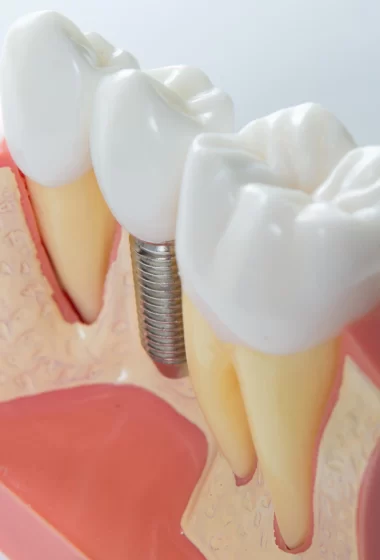
Root Canal Treatment Step by Step what is the procedure in Turkey?
The steps below are common for root canal therapy in Turkey:
1. Diagnosis and Examination: To figure out if a root canal is required, the dentist evaluates the tooth’s health using X-rays and a clinical examination.
2. Anesthetic: To provide a comfortable operation, local anesthetic is used to anesthetize the tooth and the surrounding region.
3. Remove diseased Pulp: To reach the diseased pulp and gently remove it in order to relieve discomfort and stop the spread of infection, a hole is drilled into the tooth crown.
4. Clean and Shape: To get rid of any last bits of dirt and germs, the root canals are cleansed, sterilized, and shaped using specialist tools.
5. Fill Root Canals: To seal the area and stop further infection, gutta-percha, a biocompatible substance, is placed within the cleansed canals.
6. Final Restoration: The access hole is filled, either temporarily or permanently. In rare circumstances, a crown could be suggested to provide the treated tooth strength and functioning again.
In Turkey, professional dentists provide root canal procedures in contemporary facilities, often for less money than in many Western nations. Depending on the difficulty of the surgery, where the tooth is located, and if further procedures like crowns are required, the cost may change. In most cases, local anesthetic is used during the surgery to reduce discomfort, and over-the-counter painkillers may normally be used to treat any post-operative pain. To avoid problems like abscesses and additional harm to the tooth, root canal difficulties should be handled as soon as possible.
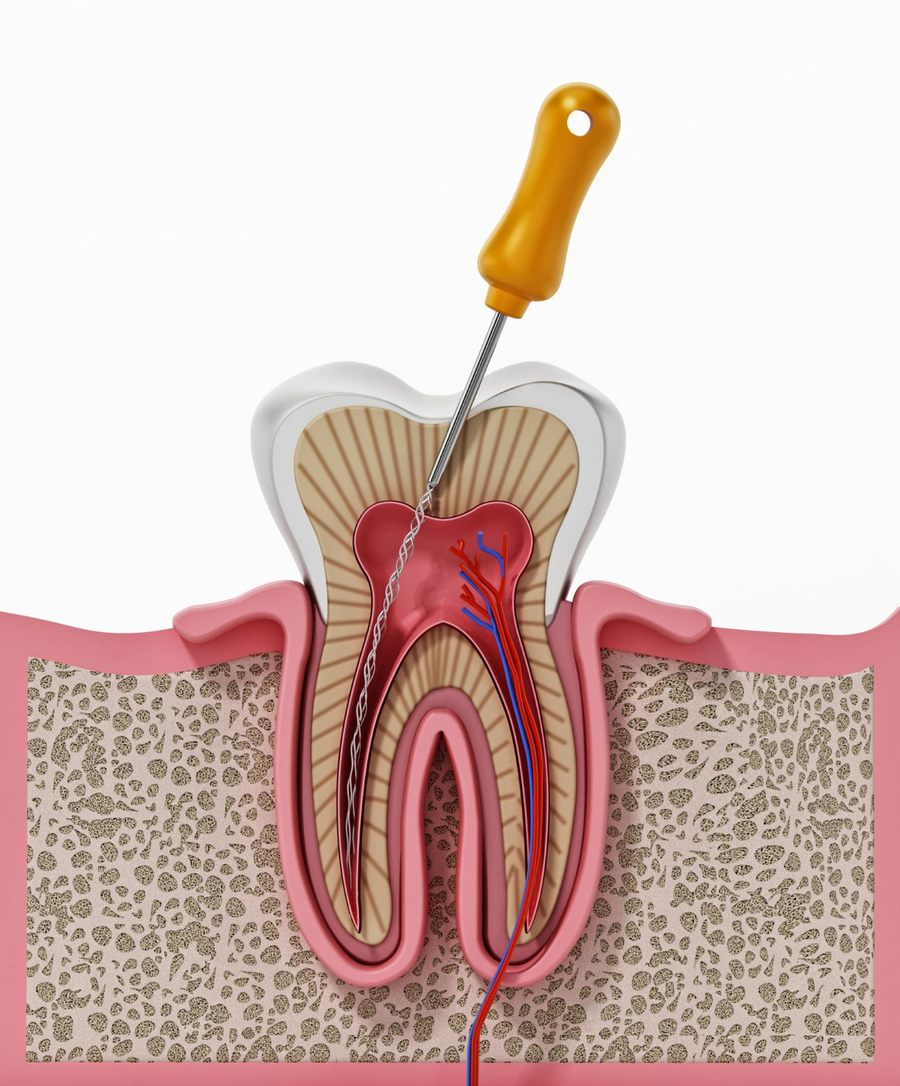
Is Root Canal Procedure Painful?
The discomfort associated with root canal operations has considerably decreased over the years. The technique involves removing any diseased or weakened pulp from within the tooth, then cleaning, sanitizing, and sealing the area. To ensure minimum pain during the procedure, a local anesthetic is used to numb the region. While some patients may suffer some little stiffness or soreness afterward, this is often treatable with over-the-counter painkillers and should go away in a few days. The discomfort related to root canals has been decreased because of improvements in dental procedures and anesthetic. The degree of damage or infection present previous to the treatment might also affect how much pain is felt. Talk to your dentist about your anxieties if you are worried about how painful the operation will be. Prioritizing oral health is crucial since untreated infections may cause more serious pain and consequences.

Why Does My Root Canal Hurt More At Night?
When you lie down, the flow of blood to the afflicted region is enhanced, which can increase inflammation and cause root canal discomfort at night. Additionally, relaxing at night may make you more sensitive to pain. Additionally, pre-existing inflammation or an infection may make the discomfort more severe. For a few days after a root canal, discomfort is typical; however, severe pain that lasts longer than that may be problematic. Uncomfortable feelings may be reduced with over-the-counter painkillers, good dental hygiene, and a raised sleeping posture. Contact your dentist if the discomfort continues.
How Many Sessions Does Root Canal Treatment Take in Turkey?
Depending on the complexity of the situation, a normal root canal treatment in Turkey often involves 1 to 3 sessions. The cost of a root canal in Turkey varies, although it is often less expensive than in other nations, such as the US. Root canals that are left untreated may result in tooth abscesses, highlighting the need for prompt treatment. The degree of discomfort experienced during the operation is often tolerable; many patients rate their level of discomfort as 1 to 3 on an index of 1 to 10. Particularly when compared to pricing in the US, the expense of the root canal and crowns in Turkey, involving root filling and following operations, is rather affordable.
How Much Does Root Canal Treatment Cost in Turkey?
The price of a root canal in Turkey might vary depending on the clinic’s location, the difficulty of the process, and whether or not crowns or filling are required afterward. In Turkey, the typical cost of a root canal procedure may be between $100 and $300, which is much less expensive than the cost in many other nations, such as the US. Prices might vary, so it’s crucial to check with a Turkish dental expert for a precise estimate depending on your individual circumstances. Infections in the mouth or decaying front teeth should be treated at once to avoid subsequent problems and more expensive treatment.