
Teeth whitening is a cosmetic procedure that aims to lighten the color of natural teeth with peroxide-based gels. The relevant VAT-inclusive amounts in the TDB 2026 guide range from 2,145 to 11,935 TL (Turkish lira).
This range shows the lowest and highest amounts of the different whitening items in the TDB guide. It is for information only; the final fee depends on the method used, the materials and the examination findings.
What Is Teeth Whitening?
Teeth whitening means reducing discoloration in tooth tissue with products containing hydrogen peroxide or carbamide peroxide. The gel breaks down the molecules causing the discoloration and helps lighten the natural tooth color.
The procedure is not the same as teeth cleaning. It does not change the color of restorations such as fillings, crowns, veneers and implants. For that reason, color matching needs separate assessment in people with restorations at the front of the mouth.
Why Do Teeth Become Discolored?
Tooth color depends on a person's natural enamel and dentin structure. Over time, external factors or changes inside the tooth can also cause discoloration.
- Frequently drinking tea, coffee and other colored drinks
- Tobacco use
- Age-related changes in enamel and dentin
- Dental plaque, tartar and surface stains
- Darkening of a single tooth after trauma or root canal treatment
- Structural color differences that form while the teeth are developing
Surface stains can be reduced by cleaning and polishing. Discoloration originating from the inner tissue of the tooth may need whitening or a different treatment plan.
How Much Does Teeth Whitening Cost in 2026?

The TDB guide in force from 1 January 2026 contains three whitening items. These are whitening of a single vital tooth, of a single root-treated tooth and of one jaw.
| 2026 Price Information | Notes |
|---|---|
| TDB guide range | 2,145–11,935 TL including VAT |
| Procedures covered | Single vital tooth, single root-treated tooth and single-jaw whitening |
| Costs that may be excluded | For some items the TDB lists material or filling fees separately |
| Final fee | For information only; the final fee is set after an examination |
This range is not a fixed price list belonging to the clinic. It is the general range of the relevant procedure amounts in the TDB guide. At-home, in-office, combined and light-assisted treatments are not listed as separate price items in the guide.
What Affects the Cost of Teeth Whitening?
- Whether a single tooth, one jaw or both jaws are treated
- Whether the in-office, at-home or combined method is chosen
- The number of sessions and check-ups needed
- The need for custom-made trays and gel
- Whether decay or gum treatment is needed beforehand
- The need for teeth cleaning (scaling) and polishing
Although people often search for the price of “permanent teeth whitening”, the result of whitening is not permanent. For that reason, possible check-ups and top-up treatments should also be discussed when considering the cost.
Teeth Whitening Methods

In-Office Teeth Whitening
In-office treatment is carried out at the clinic. The gums are isolated with a protective barrier and the whitening gel is applied to the tooth surfaces in a controlled way. The session plan varies with the starting shade and with sensitivity.
Dentist-Supervised At-Home Whitening
Impressions are taken and custom trays are made. The whitening gel is applied at home according to the plan your dentist sets. The amount of product and how long it is used must be determined individually.
Combined Whitening
Treatment carried out at the clinic is supported with dentist-supervised at-home trays. This method is not necessary for everyone. The choice depends on the nature of the discoloration and the patient's expectations.
Internal Whitening of a Single Tooth
Internal whitening may be considered for a tooth that has had root canal treatment and has darkened over time. The root canal treatment, the filling and the surrounding tissues are checked before the procedure.
Laser or Light-Assisted Whitening
Some in-office treatments use light or a laser along with the gel. Current scientific reviews show that light activation does not produce a greater color change in every protocol. The choice of method should be based on an examination.
How Is Teeth Whitening Carried Out?
- The teeth, gums and any existing restorations are examined.
- The cause of the discoloration and the starting shade are assessed.
- If needed, decay, cracks or gum problems are treated first.
- In in-office treatment, the gums and soft tissues are protected.
- The whitening gel is applied according to the chosen protocol.
- At the end, the color change and any sensitivity are checked.
The shade change that will be achieved cannot be stated with certainty in advance. The starting color, the cause of the discoloration and the structure of the tooth all affect the result.
Is Teeth Whitening Harmful?

Teeth whitening carried out with appropriate patient selection and a controlled protocol is a generally accepted procedure. However, high-concentration or unsuitable products used without an examination can cause gum irritation and sensitivity.
People with active decay, gum disease, a cracked tooth or marked sensitivity should be assessed by a dentist first. During pregnancy and breastfeeding, postponing cosmetic whitening may be considered.
There is limited evidence that treatments using charcoal, lemon, vinegar or abrasive powders whiten teeth reliably. Acidic and abrasive methods can damage the enamel surface.
Possible Side Effects of Teeth Whitening

The most common side effects are temporary tooth sensitivity and gum irritation. The level of sensitivity can vary with the concentration of the product, the contact time and the person's tooth structure.
- Brief twinges triggered by cold or heat
- Temporary redness or a burning feeling in the gums
- A color difference between restorations and natural teeth
- The expected shade change not being fully achieved
If severe pain, marked gum damage or long-lasting sensitivity develops, stop the treatment and see a dentist.
The Difference Between Scaling, Polishing and Whitening
One thing we often come across at the clinic is these three procedures being thought of as the same. Each has a different purpose and a different effect on tooth color.
| Procedure | Main Purpose | Effect on Tooth Color |
|---|---|---|
| Teeth cleaning (scaling) | To remove hardened plaque and tartar | Can reveal the natural, clean appearance of the tooth |
| Polishing | To reduce surface stains and smooth the surface | Can produce a limited change in appearance where there are external stains |
| Teeth whitening | To lighten the color of natural tooth tissue | Aims to change the starting shade of the tooth |
The cost of teeth cleaning is assessed separately from the cost of whitening. An examination can establish whether cleaning and polishing alone are enough.
How Long Do Teeth Whitening Results Last?
Teeth whitening is not permanent. How long the result lasts varies from person to person, depending on oral hygiene, dietary habits, tobacco use and the original discoloration.
- Brush your teeth regularly and gently.
- Clean between your teeth with suitable products.
- Limit new staining from tea, coffee and tobacco.
- Plan check-ups and any top-up treatment with your dentist.
- Do not use strong whitening products one after another without your dentist's advice.
When Should You See a Dentist?
Sudden darkening of a single tooth can be a sign of trauma or a problem with the tooth's nerve. If you have pain, a crack, decay, bleeding gums or marked sensitivity, you need an examination before whitening.
If you notice severe pain, swelling, persistent sensitivity or damage to the gum tissue after the procedure, do not delay a dental assessment.
Assessment Before Teeth Whitening in Bursa
A whitening plan is not based on the desired shade alone. The health of your teeth and gums, existing fillings, the cause of the discoloration and any history of sensitivity are assessed together. This examination makes it possible to determine the right method and the fee for your individual treatment.
Sources
- Turkish Dental Association (TDB) 2026 Oral and Dental Health Examination and Treatment Fee Guide
- American Dental Association — Whitening
- NHS — Teeth Whitening
- At-Home vs In-Office Bleaching: Updated Systematic Review and Meta-Analysis
- Do Laser and Light Activation Improve In-Office Dental Bleaching Outcomes?
- Cochrane — Home-Based Chemical Bleaching of Teeth in Adults
Our Teeth Whitening Dentists

Mehmet Fatih Sever
Dentist
Muhammed Ali Kurmuş
Dentist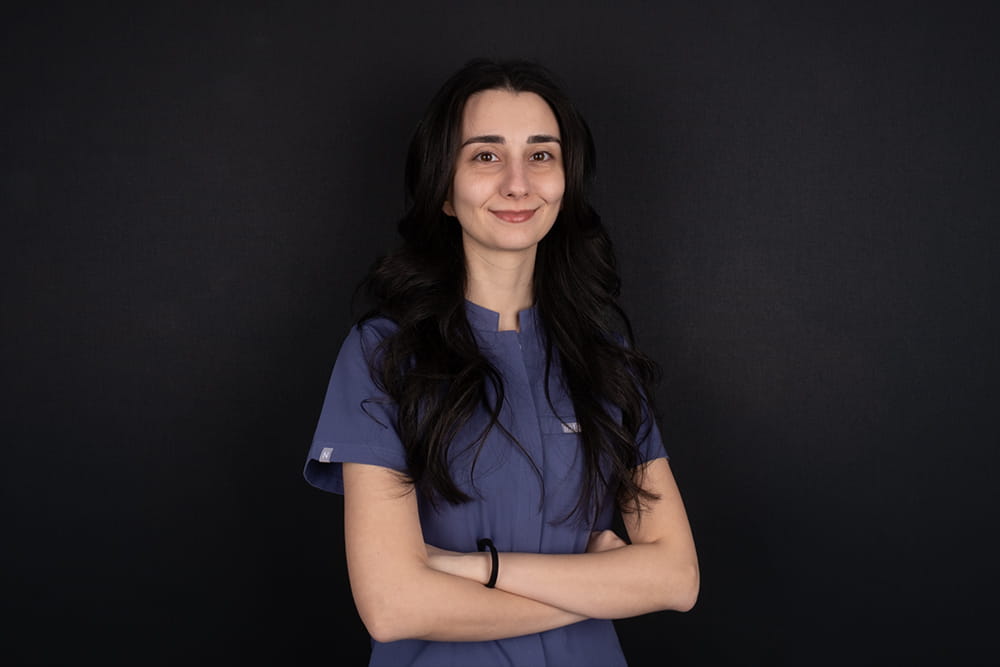
İremnur Yıldız
Dentist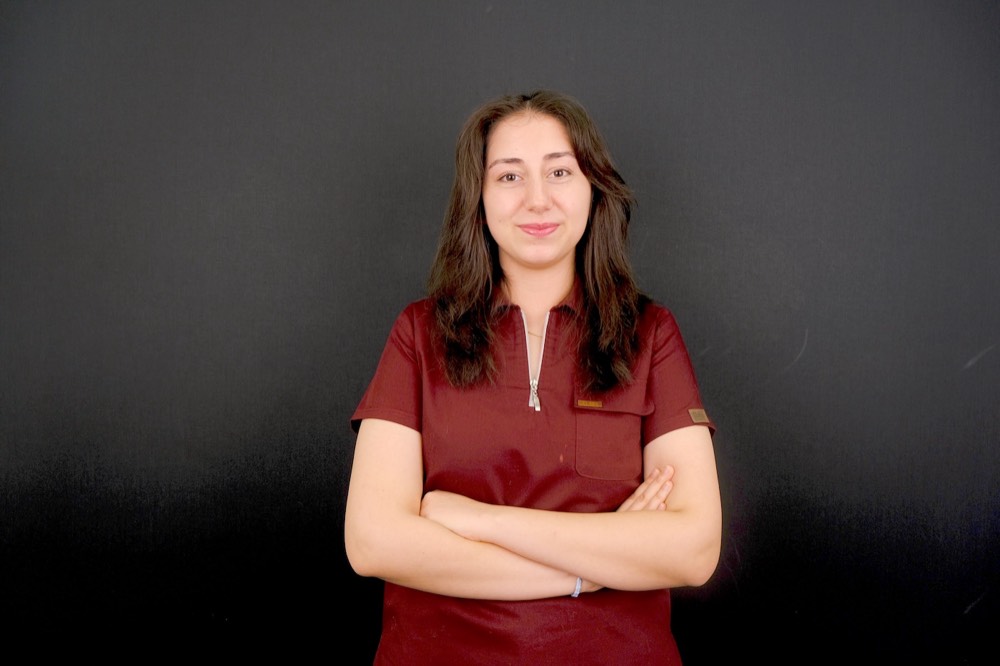
Beyzanur Şaşmaz
Dentist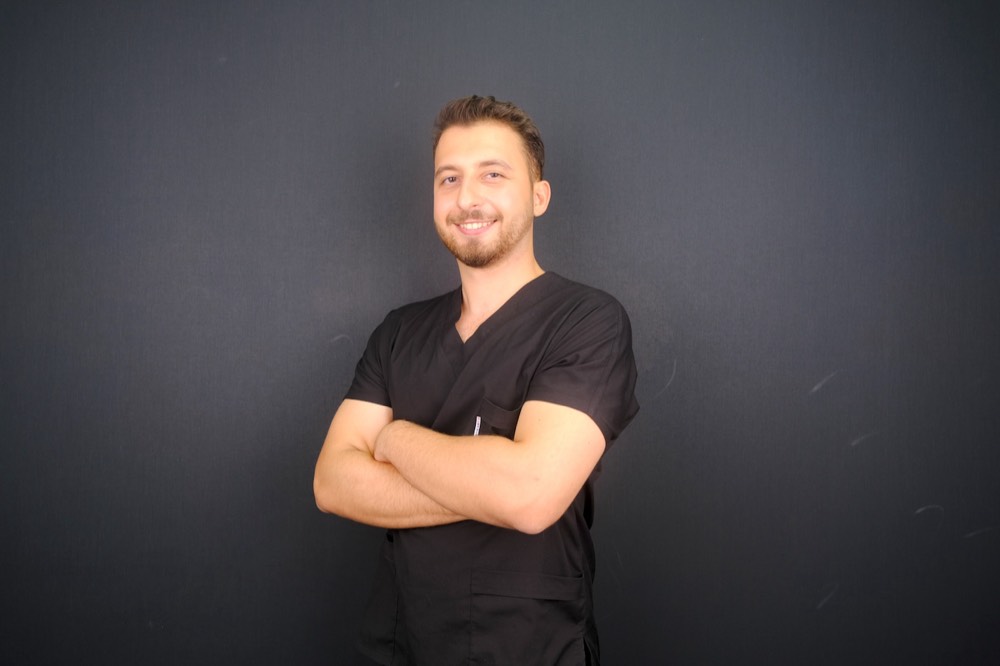
Hasan Köken
DentistFrequently Asked Questions
The relevant VAT-inclusive whitening items in the TDB 2026 guide range from 2,145 to 11,935 TL. This is for information only; the final fee depends on the method, the materials and the examination findings.
In-office treatments usually need one or several clinic sessions. With the at-home method the process can take longer; how long it is used depends on the plan your dentist prepares.
When carried out after a proper examination and with a controlled protocol, it is a generally accepted procedure. Temporary sensitivity and gum irritation can occur.
No. Discoloration can return over time because of aging, dietary habits and tobacco use.
Whitening gels only lighten natural tooth tissue. The color of fillings, crowns, veneers and implant-supported restorations does not change.
Teeth cleaning (scaling) and polishing can remove surface deposits and some external stains. The procedure that chemically lightens the natural tooth shade is teeth whitening.
Both methods can change the color in suitable cases. The choice is based on sensitivity, the nature of the discoloration, your habits and your dentist's assessment.
Light or laser support has not been shown to produce a greater final whiteness in every application. The protocol used is determined by the condition of the teeth and the whitening system chosen.
The content on this page is published for informational purposes only. It does not constitute a curative health service. For diagnosis and treatment, please consult your dentist.