
Oral surgery covers surgical procedures involving the teeth, the jawbones, the jaw joint and the tissues inside the mouth. Removal of an impacted tooth can be done in a dental practice. More extensive operations such as orthognathic surgery may require hospital conditions and collaboration between different specialties.
In the TDB 2026 guide, single-jaw osteotomy falls in the range of 84,000–92,400 TL and segmental osteotomy in the range of 80,000–88,000 TL. The range for genioplasty is 75,000–82,500 TL. All amounts are in Turkish lira (TL). Double jaw surgery is not listed as a separate fee item. These amounts are for information only; the final fee is set after an examination.
What Is Oral Surgery and What Does It Cover?

The scope of oral surgery runs from a simple tooth extraction to repositioning the jawbones. Not every jaw problem requires surgery. The treatment decision is based on the source of the complaint, the imaging results and the effect of the problem on function.
The main conditions that can be assessed within oral surgery are:
- Impacted wisdom teeth or wisdom teeth erupting at the wrong angle
- Jaw cysts and intraoral lesions that may require a biopsy
- Jawbone fractures and facial trauma
- Structural problems affecting the jaw joint
- Bone and soft tissue procedures before implant placement
- A narrow, receding or protruding jaw, or marked asymmetry
- Skeletal discrepancies that disturb the bite
- Procedures aimed at saving a tooth, such as root-end resection
What Does an Oral Surgeon Do?
The field of oral and maxillofacial surgery covers diagnosis, surgical planning and follow-up after surgery. The examination assesses jaw movements, the bite, how wide the mouth opens and the surrounding tissues.
A panoramic radiograph, three-dimensional imaging or a cephalometric analysis may be requested where needed. For skeletal jaw discrepancies, an orthodontic assessment is also added to the treatment plan. Extensive operations require hospital facilities, anesthesia and assessment by the relevant medical specialties.
What Types of Jaw Surgery Are There?
Impacted Wisdom Tooth Surgery
A wisdom tooth may be partially erupted, held within the bone or pressing on the neighboring tooth. If there is pain, recurring infection, suspicion of a cyst or damage to the neighboring tooth, surgical extraction may be considered.
Cyst Surgery and Root-End Resection
Jaw cysts are sometimes found during routine imaging. Swelling, discharge or teeth shifting position can also occur. Depending on the size of the lesion, follow-up, a biopsy or surgery may be planned.
Root-end resection involves surgically accessing the tip of the root in selected cases. In situations related to root canal treatment, no decision is made without an endodontic assessment.
Jaw Joint Surgery
Surgery is not always the first option for jaw joint complaints. Conservative approaches such as a night guard, habit changes and physiotherapy may be considered. If there is advanced structural damage or restricted movement, surgical methods may come into question.
Lower and Upper Jaw Surgery
Lower jaw surgery may be planned when the mandible sits too far back, too far forward or asymmetrically. Upper jaw surgery may be carried out after assessing the position and width of the maxilla and the bite relationship.
A receding lower jaw can be addressed with growth guidance in childhood. In adults who have finished growing, if there is a marked bone discrepancy, orthodontic and surgical assessments are carried out together.
What Are Orthognathic Surgery and Double Jaw Surgery?
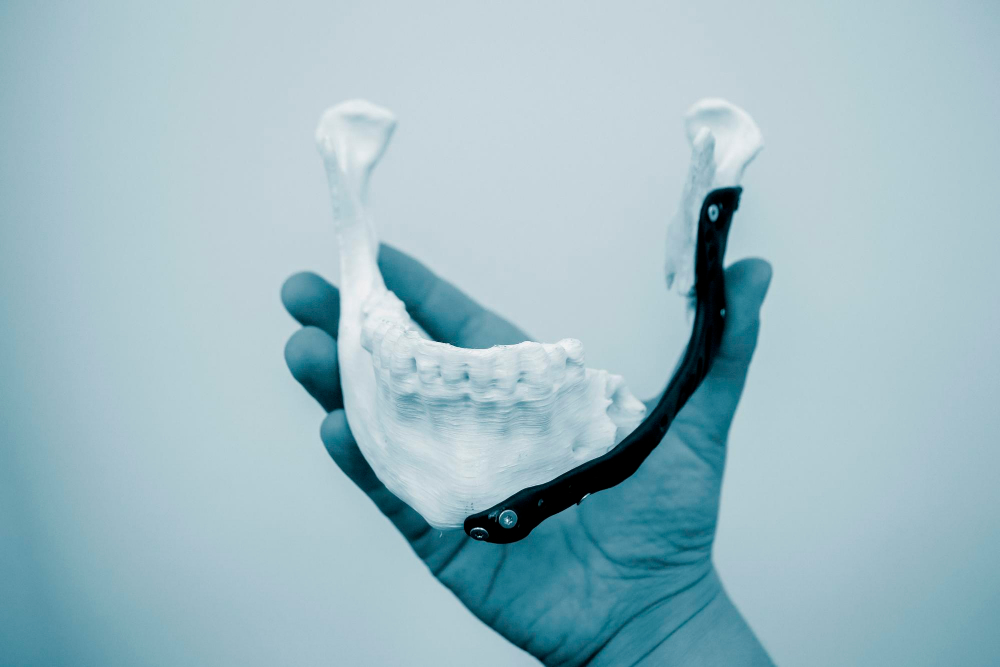
Orthognathic surgery is corrective jaw surgery that moves the upper or lower jawbone into a planned position. Its main aim is to improve the bite, chewing and the skeletal relationship between the jaws.
In double jaw surgery, the position of both the upper and the lower jaw is changed. This method may be considered when moving a single jaw does not produce a balanced bite. The direction and amount of jaw movement are determined by measurements and digital planning.
Orthognathic treatment usually includes orthodontic treatment before and after surgery. Preparing the teeth for surgery can take months. For that reason the total treatment time is not limited to the day of the operation.
Who Can Be Considered for Orthognathic Surgery?

People whose jaw growth is largely complete and who have a skeletal discrepancy that cannot be corrected with orthodontics alone can be assessed. The decision to operate is not based on facial appearance alone.
The following situations may require a joint orthodontic and surgical assessment:
- A markedly receding lower or upper jaw
- A lower jaw positioned in front
- An open bite or a crossbite
- Facial and jaw asymmetry
- Difficulty chewing, biting or speaking
- Breathing problems related to the skeletal structure
Gum disease, active decay and oral hygiene problems should be brought under control before surgery. General health and fitness for anesthesia are also assessed.
How Does the Jaw Surgery Process Work?
- Examination: your complaints, facial proportions, jaw movements and bite are assessed.
- Imaging: a panoramic radiograph, cephalometric film or three-dimensional imaging is requested as needed.
- Joint planning: in orthognathic cases, the order of orthodontic and surgical treatment is decided.
- Preparation: dental and gum health is addressed. Pre-surgical orthodontics is carried out if needed.
- Surgery: the planned bone movements are performed under general anesthesia.
- Follow-up: the bite, wound healing, oral hygiene and diet are monitored.
Orthognathic operations can take roughly one to three hours, depending on their scope. Double jaw surgery and additional procedures can extend that time. The surgical team determines the timing for each patient.
Recovery and Possible Risks
After surgery there can be swelling, bruising, reduced mouth opening and temporary changes in sensation. Swelling is usually most noticeable in the first two or three days. Most of it subsides within a few weeks.
After orthognathic surgery, one or two nights of monitoring in hospital may be needed. The move from liquid and soft food back to a normal diet usually happens over four to six weeks. The timeline varies with the operation performed.
Bleeding, infection, numbness related to nerve involvement, joint complaints and changes in the bite are among the possible risks. After surgery on the lower jaw or the chin, altered sensation around the lip can last a long time.
Medicines after surgery should only be taken as prescribed by your doctor. Follow the surgical team's instructions on oral hygiene, diet and follow-up appointments.
Jaw Surgery Prices 2026
The amounts below are taken from the Turkish Dental Association's guide fee schedule in force from 1 January 2026. The lower end of each range excludes VAT and the upper end includes 10% VAT.
| Procedure | 2026 TDB Guide Range | Notes |
|---|---|---|
| Impacted tooth surgery | 7,250–7,975 TL | Procedure without bone retention |
| Impacted tooth surgery with bone retention | 10,650–11,715 TL | Assessed according to the tooth's position within the bone |
| Alveoloplasty, half jaw | 9,450–10,395 TL | Recontouring the surface of the jawbone |
| Genioplasty | 75,000–82,500 TL | Bone surgery on the chin |
| Segmental osteotomy | 80,000–88,000 TL | Repositioning a specific section of the jaw |
| Osteotomy, single jaw | 84,000–92,400 TL | Osteotomy of one upper or lower jaw |
These prices are for information only; the final fee is set after an examination. Imaging, orthodontic treatment, hospital costs, anesthesia, the materials used and additional procedures can change the overall budget.
Double Jaw Surgery Prices 2026
The TDB 2026 guide does not include a separate fee item for double jaw surgery. For that reason, multiplying the single-jaw fee by two to arrive at a definite price for double jaw surgery can be misleading.
In a double jaw plan, the movement of both jaws, the fixation materials and the length of surgery are assessed together. Orthodontic preparation and hospital costs can also affect the overall treatment plan.
Jaw Contouring and Facial Jaw Aesthetics Prices
“Jaw contouring” is not the name of a single medical procedure. The term can refer to bone contouring, genioplasty or various osteotomy techniques. A reliable price range cannot be given until the scope of the procedure is defined.
Factors That Affect the Cost of Jaw Surgery
- Whether single-jaw or double jaw surgery is planned
- The direction of jaw movement and the surgical scope
- The need for orthodontic treatment
- Hospital and general anesthesia arrangements
- Plates, screws and other surgical materials
- Imaging, analysis and laboratory tests
- Any additional procedure on the joint, the chin or elsewhere
Does SGK Cover Jaw Surgery?
Coverage by SGK (the Turkish social security system) can vary with the medical necessity of the procedure, the SUT provisions and whether the institution performing the surgery has a contract. The cost of purely cosmetic health services is not covered by SGK.
If you are considering orthognathic surgery, referral, medical board report and payment conditions should be confirmed with the relevant hospital and with SGK. At private institutions, extra charges or non-covered costs may apply.
Oral Surgery Assessment in Bursa
The Private MFSDENT Oral and Dental Health Polyclinic is located at Davutkadı Mah. Fatih Sultan Mehmet Cad. No: 57/B, Yıldırım, Bursa, Turkey. The polyclinic is open seven days a week.
At the first oral surgery assessment in Bursa, we look at whether the problem originates from the teeth, the jaw joint or the skeletal structure. Depending on the findings, imaging and assessments by the relevant specialties can be planned.
One of the questions we hear most often at the clinic is whether a receding lower jaw can be corrected with braces alone. With marked skeletal discrepancies, both orthodontic and surgical opinions are needed.
In cases that require hospital conditions or advanced multidisciplinary care, a referral to a suitable health institution can be made. The treatment option is determined by an in-person examination and current imaging results.
When Is Urgent Assessment Needed?
If your bite has changed after facial trauma, or if you have difficulty breathing or uncontrolled bleeding, seek emergency care. Rapidly increasing swelling, fever, difficulty swallowing and a marked reduction in mouth opening should also not be delayed.
Sources
- Turkish Dental Association (TDB) Examination and Treatment Fee Schedule
- 2026 Oral and Dental Health Examination and Treatment Fee Guide
- SGK: Methods of Providing Certain Health Services and Payment Rules
- Cambridge University Hospitals: Orthognathic Surgery Patient Information
- Ashford and St Peter’s Hospitals: Orthognathic Surgery
Guides
- Wisdom Teeth: When They Come In and Pain Relief
- How Long After a Tooth Extraction Can You Eat?
- After Wisdom Tooth Extraction: Recovery and Care
- Tooth Extraction: Wisdom Teeth, Process and Cost
- What Are Jawbone Loss and Palate Bone Loss?
- Tooth Extraction Recovery: Pain, Signs of Infection and What to Watch For
Our Oral Surgeon
Mehmet Fatih Sever
Dentist
Muhammed Ali Kurmuş
Dentist
İremnur Yıldız
Dentist
Beyzanur Şaşmaz
Dentist
Hasan Köken
DentistFrequently Asked Questions
In the TDB 2026 guide, single-jaw osteotomy is in the range of 84,000–92,400 TL. That amount is for information only; the final fee, including hospital, anesthesia, materials and orthodontics, is set after an examination.
Double jaw surgery means repositioning both the upper and the lower jaw within the same treatment plan. It may be considered when moving one jaw alone cannot achieve adequate skeletal and bite harmony.
The TDB 2026 guide does not list a separate price item for double jaw surgery. The fee becomes clear once the surgical scope for both jaws, the hospital, anesthesia, materials and orthodontic treatment have been assessed.
Treatment depends on age, growth stage and how pronounced the recession is. Orthopedic methods may be considered during growth, and orthodontics or orthognathic surgery in adults.
The first assessment can be made by a dentist. If a skeletal discrepancy is suspected, a joint assessment by oral and maxillofacial surgery and orthodontics is needed.
Orthognathic operations usually take between one and three hours. For double jaw surgery the time can be longer, depending on the scope of the procedure and any additional surgery.
Coverage depends on medical necessity, the current SUT provisions and the health institution's contract with SGK, the Turkish social security system. Purely cosmetic procedures are not covered; confirm with the institution before the procedure.
Swelling can increase in the first few days and subsides within a few weeks. Moving from a soft diet back to a normal one usually takes four to six weeks, although individual healing varies.
The content on this page is published for informational purposes only. It does not constitute a curative health service. For diagnosis and treatment, please consult your dentist.