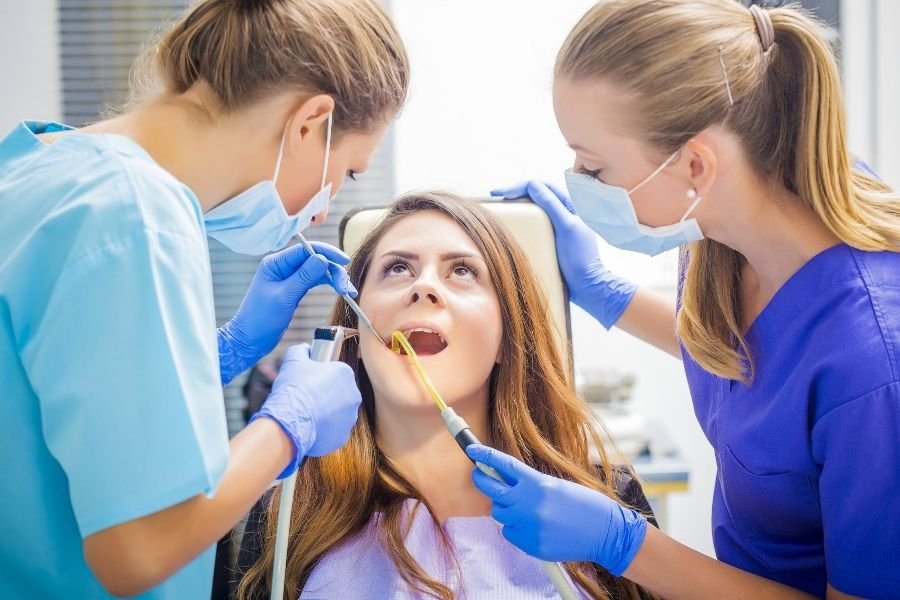
Jawbone loss is a reduction in the height, width or density of the alveolar bone that supports the teeth. In everyday language it is also called tooth bone loss.
The most common causes are advanced gum disease and the natural bone remodeling that starts after tooth loss. There may be no pain in the early stages. A dental examination and the necessary radiographs are used for diagnosis.
What Is Jawbone Loss?

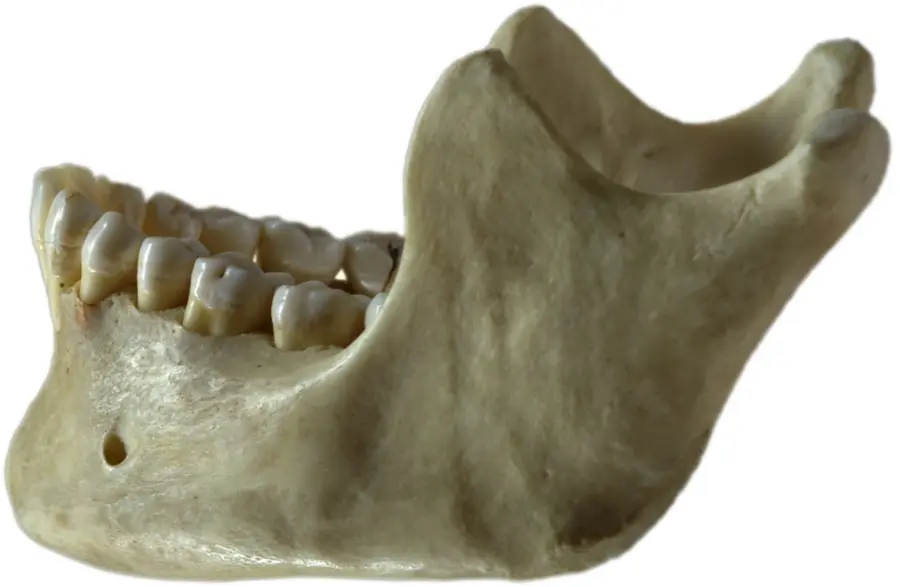
The alveolar bone surrounding the tooth roots helps keep the teeth stable in the jaw. When this supporting tissue decreases, loose teeth, gum recession and difficulty chewing can occur.
After a tooth is removed, the bone in that area loses part of its functional stimulation. During healing the bone remodels, and the dimensions of the alveolar ridge can decrease over time. Much of the change happens in the first months after the extraction.
Jawbone loss is not a disease name on its own. The underlying cause needs to be identified. Loss due to gum disease and thinning in an area without teeth are not assessed in the same way.
| Term Used | What It Usually Means |
|---|---|
| Jawbone loss | Loss of volume or support in the alveolar bone that holds the teeth |
| Tooth bone loss | An everyday term for jawbone loss |
| Palate bone loss | Usually thinning of the tooth-bearing bone ridge in the upper jaw |
| Tooth erosion | Wear or erosion of tooth enamel; different from bone loss |
Why Does the Jawbone Resorb?
The reason for jawbone resorption depends on whether the loss occurs around a tooth or in an area without teeth. The most common situations are:
- Periodontitis: The inflammatory response to bacterial plaque can affect the gum attachment and the bone supporting the tooth.
- Tooth loss or extraction: In the empty area, the alveolar bone can narrow and reduce in height during natural healing.
- Peri-implant disease: If inflammation around an implant is not controlled, the supporting bone can be lost.
- Long-term tooth loss: Thinning of an unused bone ridge can become obvious over the years.
- Cysts, tumors or infection: Less commonly, lesions that can cause local bone loss are assessed.
- Trauma and surgery: Injuries affecting the bone or the tooth's supporting tissues can cause local loss.
Smoking and uncontrolled diabetes can increase the risk of periodontitis progressing. That is why oral care, regular follow-up and control of systemic conditions matter.
Osteoporosis and jawbone loss are not the same thing. A systemic decrease in bone density can affect periodontal health. However, bone loss in the mouth cannot be explained by osteoporosis alone.
Does Teeth Clenching Cause Jawbone Loss?
Teeth clenching or grinding is usually not the main cause of jawbone loss on its own. Excessive forces can worsen symptoms in areas where periodontal problems already exist.
If there is tooth wear, fractures, fatigue in the jaw muscles or morning pain, a separate assessment should be made.
What Is Palate Bone Loss and What Causes It?
Palate bone loss is not a medical diagnosis. The term is mostly used to describe thinning of the alveolar bone that carries the teeth in the upper jaw.
Loss of upper teeth, long-term tooth loss and advanced periodontitis are the main causes of this appearance. You may notice a denture loosening over time or the palate becoming flatter.
If there is a sore, swelling, discoloration or an area that does not heal in the palate tissue, the situation should not be put down to bone loss alone. An oral examination is needed.
The structure of the upper jaw differs from that of the lower jaw. So a plan for implants or bone augmentation is prepared according to the imaging findings for that area.
What Are the Signs of Jawbone Loss?
Bone loss can progress silently at first. In periodontal disease in particular, a lack of pain does not mean the tissues are healthy.
- Bleeding, redness or swelling of the gums
- Gum recession and teeth looking longer
- Loose teeth or teeth changing position
- New gaps opening between the teeth
- Sensitivity or discomfort while chewing
- Persistent bad breath or a bad taste
- Deep pockets between the tooth and the gum
- A removable denture becoming loose or rubbing
- Flattening of the jaw ridge when many teeth are missing
The signs of bone loss in the lower and upper jaw are broadly similar. Changes in appearance and denture fit can be more obvious in areas without teeth.
Does Tooth Bone Loss Cause Pain?
Bone loss itself does not always cause pain. Pain is more likely to come from accompanying problems such as active infection, an abscess, inflammation, trauma or bone necrosis.
So a lack of pain does not mean treatment is unnecessary. Regular examinations can help periodontal bone loss be noticed early, before it causes symptoms.
| Finding | Possible Explanation |
|---|---|
| Bleeding and swollen gums | Gum inflammation or periodontitis |
| A loose tooth | Advanced loss of supporting tissue, trauma or another dental problem |
| A loosening denture | Changes in the edentulous bone ridge and soft tissue |
| Pain and swelling | Possible active infection or inflammation |
| Exposed bone | Needs assessment for a healing problem or bone necrosis |
How Is Jawbone Loss Diagnosed?
The diagnosis is not made by looking at the mouth alone. The dentist assesses the examination of the teeth and gums together with the medical history.
- Measuring gum pockets and clinical attachment loss
- Checking tooth mobility and how the teeth meet
- Reviewing panoramic, periapical or other necessary radiographs
- Three-dimensional imaging for implant planning or complex bone defects
- Planning further investigation or a biopsy for suspicious lesions
Three-dimensional imaging is not routinely needed for every patient. The method used is chosen according to the examination findings and the planned procedure.
One situation we see often at our clinic is patients putting a loose denture down to the denture alone. The bone and soft tissues underneath should also be assessed.
How Is Jawbone Loss Treated?
The aim of treatment is first to control the cause of the bone loss. Function, ease of cleaning and any prosthetic support needed are then planned.
| Clinical Situation | Approaches That May Be Considered |
|---|---|
| Bone loss due to periodontitis | Oral care guidance, teeth cleaning, root surface cleaning and regular periodontal maintenance |
| Selected periodontal bone defects | Periodontal surgery and regenerative procedures using a membrane or graft |
| A recent tooth extraction | In suitable patients, procedures to preserve the socket and the bone ridge |
| A thinned edentulous bone ridge | Bone grafting, guided bone regeneration or site-specific augmentation methods |
| Insufficient bone in the upper back jaw | Surgical options such as sinus floor elevation, depending on the anatomy |
| Suspected cyst, tumor or bone necrosis | Surgery aimed at the cause and joint assessment with the relevant medical fields |
In periodontitis treatment, professional removal of bacterial plaque and tartar from the tooth surfaces is the main approach. In some advanced defects, surgical treatment can be considered.
Socket preservation procedures carried out during an extraction can reduce the dimensional loss in the bone ridge. Even so, no method can completely prevent natural remodeling.
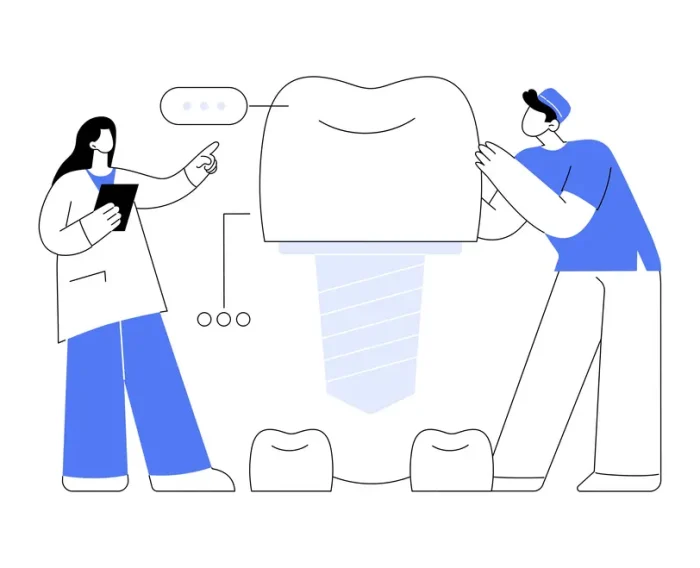
A dental implant is one of the treatment options that can replace a missing tooth. However, an implant alone does not rebuild resorbed bone. Adequate bone volume and healthy tissues must be present first.
What Is the Box Technique?
The box technique is the name given to certain reconstruction approaches used in advanced three-dimensional bone deficiencies. Structures acting as a barrier create a protected space for the graft.
The term does not describe a single standard operation. Part of the scientific data comes from case reports and limited patient series. Suitability requires a detailed surgical assessment.
Is Treatment Different for the Lower and Upper Jaw?
The basic aims are similar, but the anatomical conditions differ. In the lower jaw the nerve canal, and in the upper jaw the sinus and the floor of the nose, can affect planning.
Bone width, height and density are assessed with imaging. The type of graft, the timing of the implant and the number of stages are decided for each person.
Does Resorbed Jawbone Regenerate Itself?
After a tooth extraction, the socket heals with new bone. However, the width and height the jaw ridge has lost usually do not come back fully on their own.
In bone loss due to periodontitis, the priority is to control the progression of the disease. In some suitably shaped bone defects, regenerative surgery can aim to regain supporting tissue.
Not every area of loss has the same potential to regenerate. The remaining bone walls, infection control, smoking and general health can all affect the outcome.
How Can Jawbone Loss Be Slowed Down?
- Brush your teeth twice a day with fluoride toothpaste.
- Clean between your teeth every day with the tools recommended to you.
- Do not treat bleeding gums as normal, and do not delay an examination.
- Get support to quit smoking and other tobacco products.
- If you have diabetes, follow your doctor's plan for blood sugar control.
- Have a check-up if a removable denture becomes loose or rubs.
- If an extraction is planned, discuss the later prosthetic options in advance.
- Keep up the maintenance appointments recommended after periodontal treatment.
Do not use products or supplements claimed to build bone without an examination. Do not stop any treatment, including osteoporosis medicines, without consulting your doctor.
When Should You See a Dentist?
If you have repeated gum bleeding, recession, loose teeth or a denture that no longer fits, a dental assessment is needed. An early review makes it easier to identify the cause of the loss.
With the following signs, seek care without delay:
- Rapidly increasing facial swelling or fever
- Difficulty swallowing or breathing
- Pus, severe pain or a bad taste in the mouth
- A wound that does not heal or exposed bone
- New numbness in the lip or jaw
- One or more teeth becoming loose quickly
Frequently Asked Questions
Why does the jawbone resorb?
The most common causes are periodontitis and the natural bone remodeling that follows tooth loss or extraction. Less common causes are investigated with an examination and imaging.
What causes palate bone loss?
Palate bone loss usually refers to thinning of the tooth-bearing bone ridge in the upper jaw. Tooth loss, long-term edentulism and advanced periodontitis are the main causes.
Does tooth bone loss cause pain?
Bone loss does not always cause pain. If there is pain, accompanying conditions such as active infection, an abscess, inflammation or a bone healing problem should be assessed.
Does resorbed jawbone regenerate itself?
The lost bone dimensions usually do not return fully on their own. In selected defects, bone grafting or regenerative methods can aim to regain tissue.
How is jawbone loss stopped?
The cause, such as periodontitis, infection or a poorly fitting denture, is brought under control first. Treatment and regular maintenance can help slow the progression.
Can an implant be placed if there is jawbone loss?
If there is enough bone volume and the tissues are healthy, an implant can be considered. Where bone is insufficient, augmentation may be needed before or alongside the implant.
At what age does the jawbone resorb?
There is no particular age limit for jawbone loss. It can occur at different ages because of gum disease, trauma or early tooth loss.
Does osteoporosis cause jawbone loss?
There can be a link between osteoporosis and periodontal bone loss, but they are not the same disease. The cause of loss in the mouth should be assessed separately by a dentist.
Sources
- Periodontal (Gum) Disease — National Institute of Dental and Craniofacial Research
- Periodontitis — American Dental Association
- Osteoporosis Medications and Medication-Related Osteonecrosis of the Jaw — American Dental Association
- Post-extraction Dimensional Changes: A Systematic Review and Meta-analysis
- Effect of Alveolar Ridge Preservation After Tooth Extraction: A Systematic Review and Meta-analysis
- Full-arch Vertical Reconstruction of an Extremely Atrophic Mandible With Box Technique