
Orthodontics is the field of dentistry that studies how the teeth are aligned and how the upper and lower jaws relate to each other. Braces, clear aligners and other appliances are used to correct crowding or bite problems.
Treatment is not only about appearance. In suitable cases it can support chewing function, make cleaning the teeth easier and help reduce wear caused by uneven contacts. Whether it is needed is determined after a clinical examination and any necessary imaging.
When Might Orthodontic Treatment Be Needed?

Teeth that are not perfectly aligned do not always mean treatment is needed. An orthodontic assessment looks at the bite, jaw development and oral health as well as the position of the teeth.
The main situations that may call for an assessment are:
- Crowded or rotated teeth, or noticeable gaps
- Upper teeth that cover the lower teeth more than normal
- Lower teeth that close in front of the upper teeth
- Front or back teeth that do not meet when biting
- A crossbite, or the jaw shifting to one side when closing
- Permanent teeth erupting late, in the wrong position or remaining impacted
- Difficulty chewing, biting or making certain sounds
- Uneven wear on the teeth and areas that are hard to clean
Heredity can play a part in these problems. Early loss of baby teeth, thumb sucking, trauma and certain differences in jaw development can also contribute.
One thing we often see at the clinic is a focus on the appearance of the front teeth alone. For a safe plan, however, the bite of the back teeth and gum health must be assessed too.
Orthodontic Prices 2026

Orthodontic prices may not consist of a single procedure. Diagnostic records, the scope of treatment, the appliance used, material costs, the length of the check-up period and the retention stage all affect the total.
The amounts below, in Turkish lira (TL), are drawn from selected procedure items in the Turkish Dental Association's 2026 guide fee schedule. They are not MFS Dent's own treatment prices.
| Procedure Group in the Guide | 2026 Example Range, VAT Included | Notes |
|---|---|---|
| Making an appliance for one or both jaws | 7,535–12,265 TL | For single-jaw work, the cost of the screw is not included. |
| Retention appliances | 6,765–9,625 TL | Covers removable and fixed retainer items. |
| Certain expansion and distalization appliances | 13,750–15,895 TL | The right appliance is determined by the jaw structure. |
| Orthodontic treatment with clear aligners | 53,900–95,700 TL | Range from mild to severe cases; the cost of the aligners is not included. |
The prices are for information only for 2026; the final fee is set after an examination. The TDB items alone may not reflect every cost in a treatment plan.
In fixed braces treatment, the case category, whether one or both jaws are treated and the bracket system used all matter. With clear aligners, the number of aligners needed and any refinements can change the fee.
What Orthodontic Treatment Methods Are There?
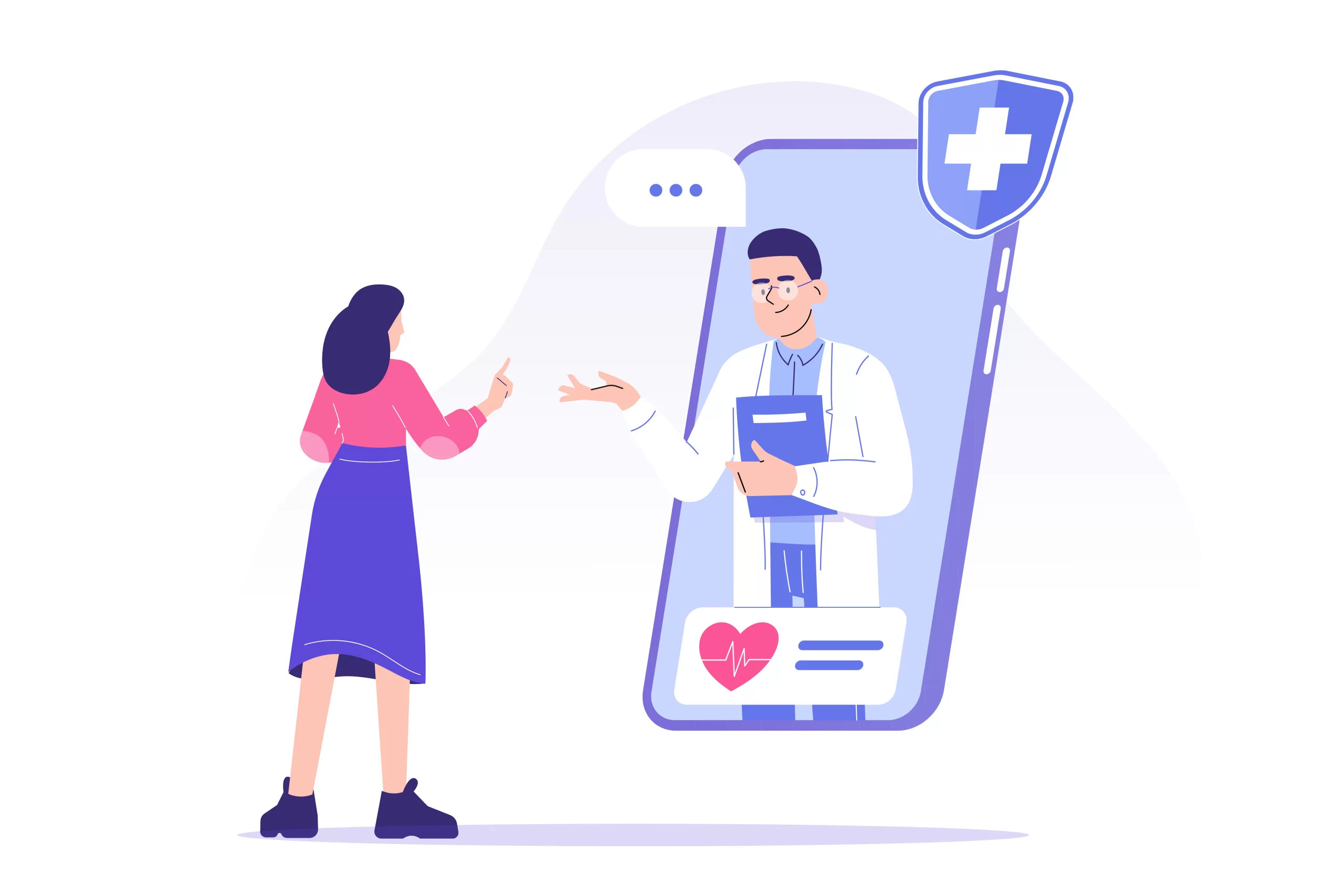
Not every orthodontic method suits every patient. When choosing treatment, the extent of tooth movement, the bite problem, age and oral hygiene habits are assessed together.
| Method | Key Feature | Points to Consider |
|---|---|---|
| Fixed metal brackets | Brackets are bonded to the teeth and controlled force is applied through the archwire. | The area around the brackets needs regular cleaning. |
| Ceramic brackets | Tooth-colored brackets aim for a less noticeable appearance. | Suitability is assessed according to the bite and the force to be applied. |
| Clear aligners | A custom-made series of aligners that the patient can take in and out. | The daily wear time set by the dentist must be followed. |
| Removable appliances | Can be used in children to guide growth or for limited tooth movements. | The outcome depends on regular wear and the right timing. |
| Surgically assisted treatment | For marked skeletal jaw discrepancies, orthodontics and jaw surgery can be planned together. | Not every jaw discrepancy requires surgery. |
How Does Orthodontic Treatment Progress?
At the first examination, tooth alignment, the relationship between the jaws, the facial profile and jaw movements are assessed. If there is decay or an active gum problem, these may need to be brought under control first.
- Diagnostic records: intraoral photographs, impressions or digital scans and radiographs are taken as needed.
- Treatment plan: the goals, the appropriate method, the estimated timeline, the check-ups and any alternatives are explained.
- Active treatment: brackets, clear aligners or the planned appliance are fitted. Tooth movement is monitored at regular check-ups.
- Retention: once active treatment is complete, a retainer is used to hold the teeth in position.
The treatment time varies with the scope of the case. Fixed brackets or clear aligner treatment can take roughly one to three years in most cases. Limited corrections can be shorter.
Missing check-ups, not wearing the appliance as advised or breaking it often can extend the timeline. The biological rate at which teeth move also varies from person to person.
Orthodontics in Children and the First Assessment
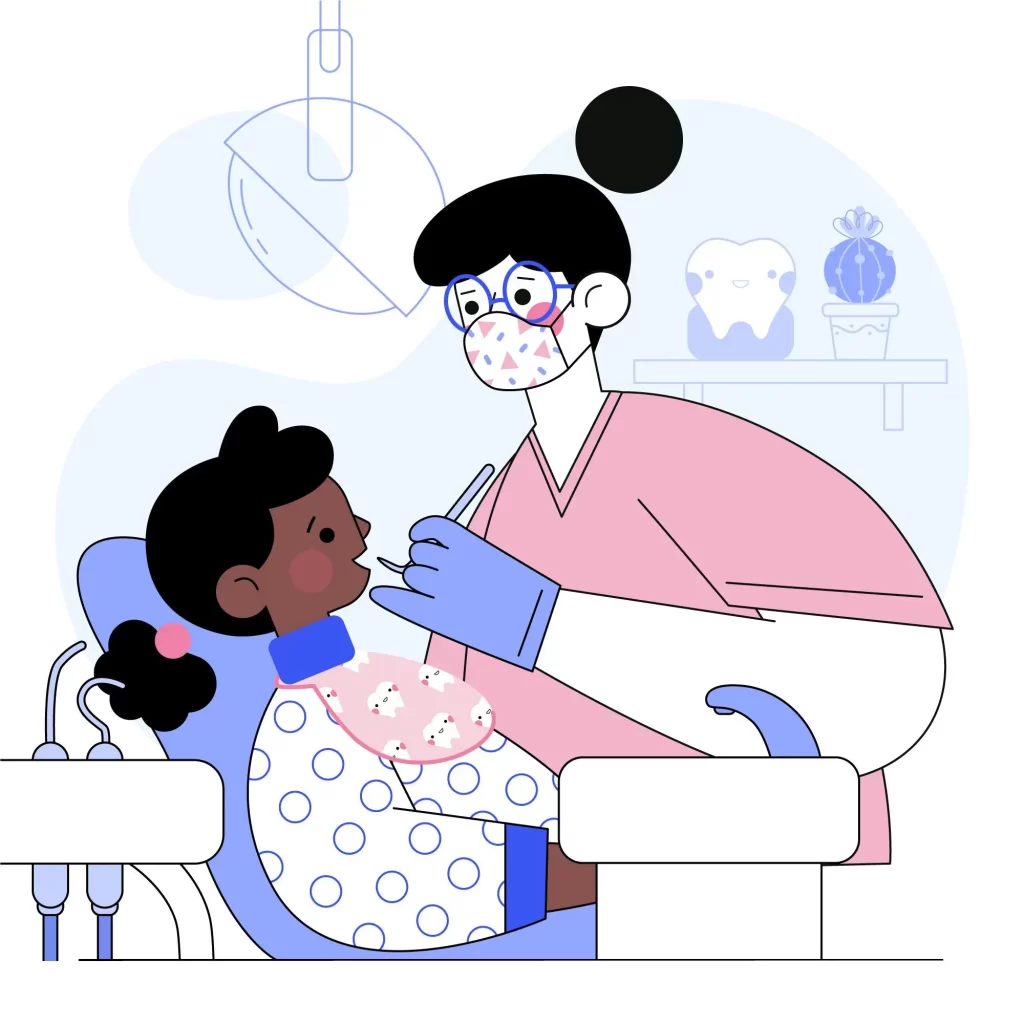
An orthodontic examination in a child does not mean braces will be fitted straight away. The aim is to assess tooth eruption, jaw development and the bite at the right time.
A first orthodontic check-up at around the age of seven may be recommended. As baby and permanent teeth are both present at that stage, developing problems can be noticed earlier.
With the following signs, a dental assessment can be considered without waiting for a particular age:
- The lower or upper jaw appearing noticeably forward
- The jaw shifting to the right or left when closing
- A thumb-sucking habit that has lasted a long time
- Difficulty or pain when chewing
- Permanent teeth failing to erupt or erupting in the wrong position
- Baby teeth being lost earlier or later than expected
An early assessment does not mean early treatment for every child. Some children are simply monitored at intervals throughout growth and tooth eruption.
Orthodontic Treatment Under 18 and SGK Conditions
Under current SGK rules (the SUT changes of August 2026), orthodontic treatment costs for people who have turned 18 are generally not covered. Exceptions may apply to treatment that began before the age of eighteen and is still ongoing.
Not every patient under eighteen has all their costs covered automatically. Medical necessity, a medical board report, the scope of the procedure and the current SUT conditions are assessed together.
For eligible orthodontic treatment at private units or units without an SGK contract, a medical board report may be required. The report must state the type of malocclusion and that the treatment is not for cosmetic purposes.
Depending on the circumstances, the board must consist of three dentists, at least one of whom is an orthodontic specialist or a dentist with a doctorate in the field. Treatment must begin within six months of the date of the report.
SGK payment conditions and documentation processes can change. Before starting treatment, get up-to-date information from SGK, the institution issuing the report and the health facility that will provide the treatment.
Is Orthodontic Care Available in Public Hospitals?
Orthodontic care is not available at every public hospital. It may be provided at some oral and dental health centers, oral and dental health hospitals and university faculties of dentistry.
The official page of Bursa Oral and Dental Health Training and Research Hospital lists an Orthodontics Clinic. Duaçınarı Oral and Dental Health Center also has an orthodontics clinic page.
Staff schedules, patient admission conditions and appointment quotas can change. Current availability should be checked through MHRS, the institution's official website or the ALO 182 line.
Orthodontic Assessment and the Clinical Team in Bursa
An orthodontist is a dentist who has completed specialist training in orthodontics. During your assessment you can ask about the dentist's title, the treatment options and the follow-up plan.
The Private MFSDENT Oral and Dental Health Polyclinic was founded in Bursa in 2020. The orthodontic assessment and treatment plan are determined by the clinical team after an examination.
The polyclinic is at Davutkadı Mah. Fatih Sultan Mehmet Cad. No: 57/B, Yıldırım, Bursa. It is open seven days a week.
If you have previous dental radiographs or appliances you have used, you can bring them to your appointment. The examination covers whether treatment is needed, the options and the estimated follow-up process.
Orthodontic Care Products and Oral Hygiene
Fixed brackets create extra surfaces where food debris and plaque can collect. That is why cleaning the teeth and gums regularly throughout treatment is important.
Orthodontic care products that can be used on your dentist's advice include:
- A soft-bristled or orthodontic toothbrush
- An interdental brush to reach around brackets and wires
- A floss threader or orthodontic floss
- Fluoride toothpaste
- Orthodontic wax for short-term use if a wire or bracket irritates the mouth
Unsupervised tooth-moving products obtained at home or online should not be used. Forces applied without radiographic and clinical assessment can damage the teeth, roots and gum tissues.
Hard and sticky foods can dislodge brackets. Having sugary foods and drinks often can increase the risk of decay around the brackets.
When Should You Contact a Dentist?
Mild pressure and sensitivity can occur in the first days of treatment. However, in the following situations you should contact your dentist without waiting for your scheduled check-up:
- Rapidly increasing swelling in the face or gums
- Signs of infection in the mouth together with a fever
- A tooth being displaced or broken after trauma
- A wire constantly digging into the cheek or tongue
- An appliance breaking, being lost or becoming unusable
- Severe, increasing or long-lasting pain
Do not try to cut or reshape a broken wire or appliance yourself. Follow your dentist's guidance so that it can be dealt with safely.
Sources
- Turkish Dental Association (TDB) 2026 Examination and Treatment Fee Guide
- SGK Health Implementation Communiqué (SUT), Updated With the 29/08/2026 Amendments
- SGK Health Implementation Communiqué – Dental and Orthodontic Treatments
- Bursa Oral and Dental Health Training and Research Hospital, Orthodontics Clinic
- American Dental Association – Braces
- American Association of Orthodontists – Child Orthodontics
Guides
Our Orthodontic Treatment Dentists
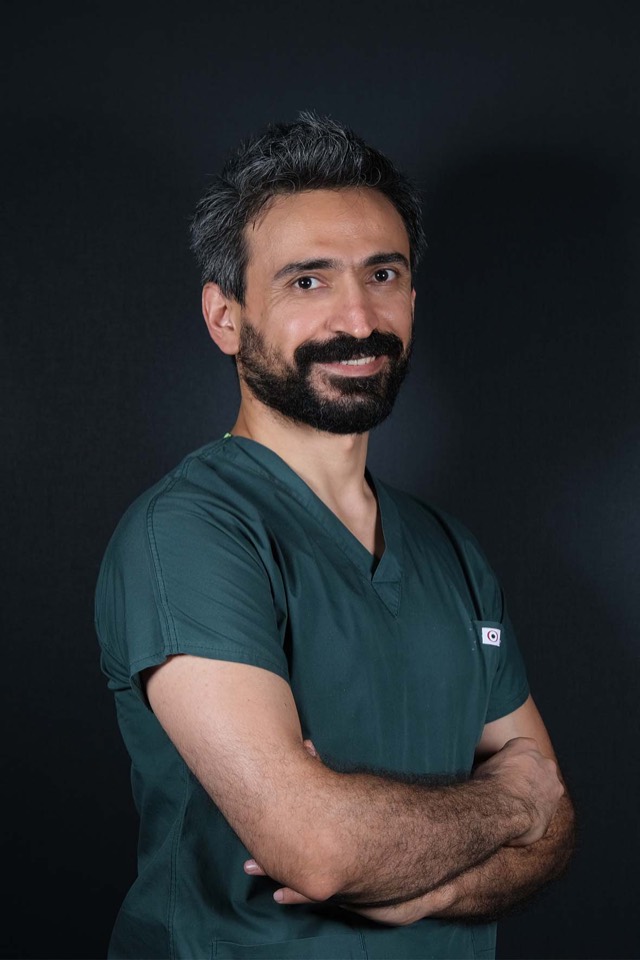
Mehmet Fatih Sever
Dentist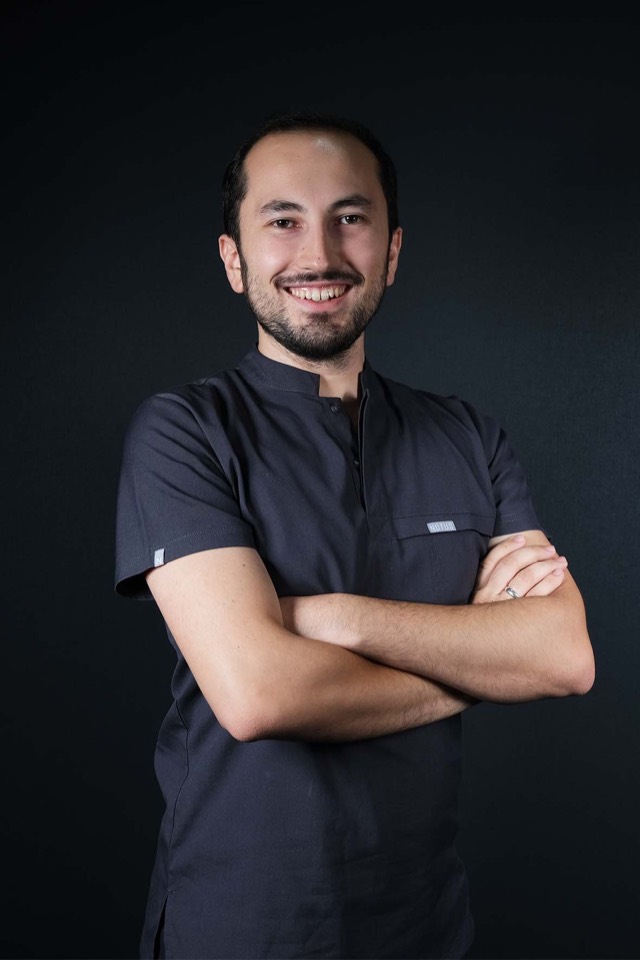
Muhammed Ali Kurmuş
Dentist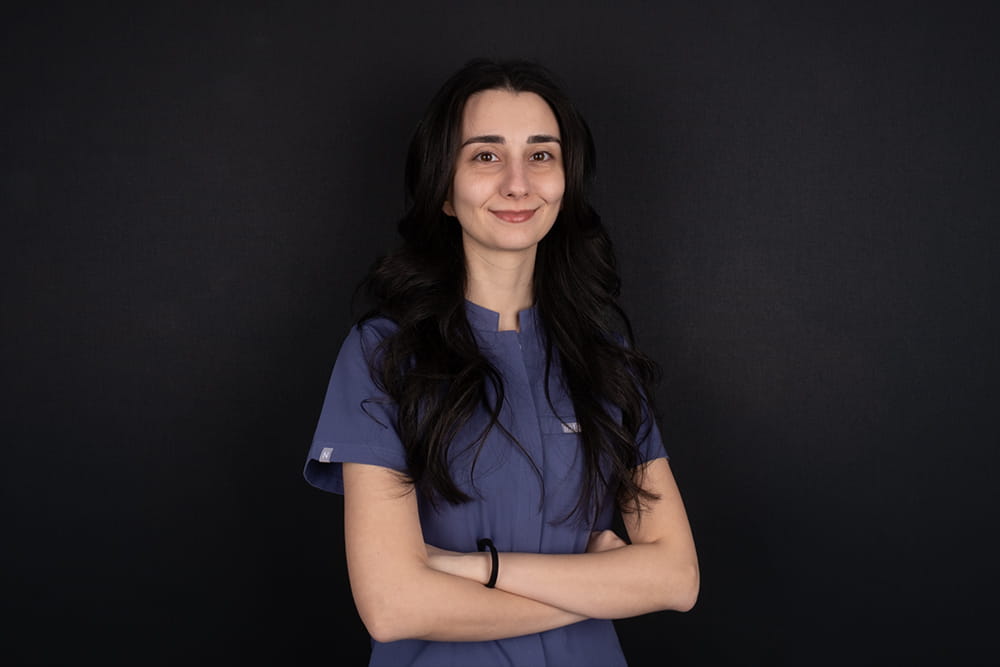
İremnur Yıldız
Dentist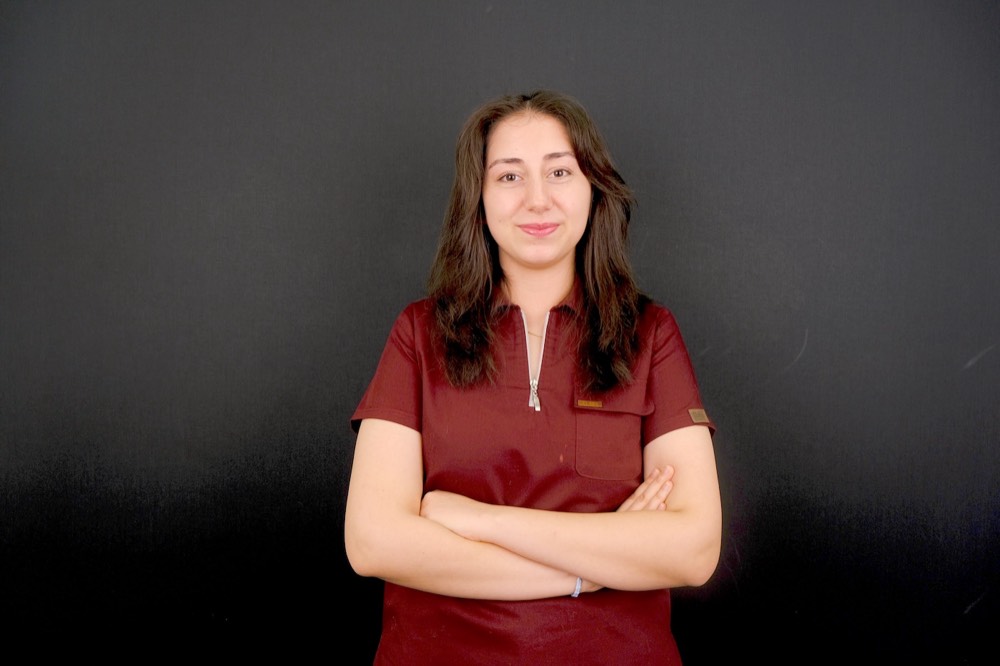
Beyzanur Şaşmaz
Dentist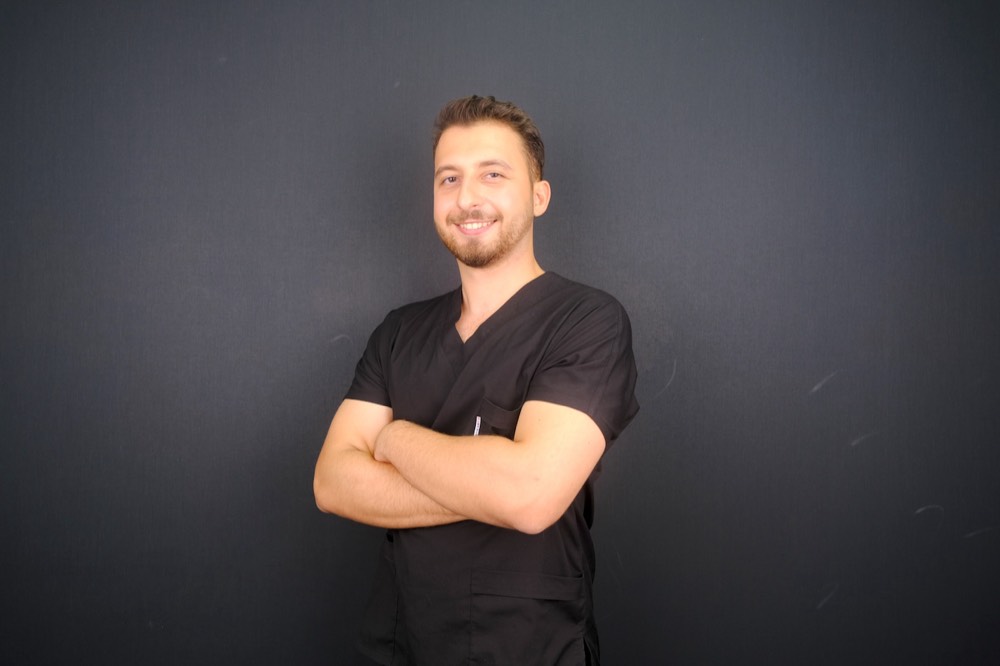
Hasan Köken
DentistFrequently Asked Questions
Orthodontics is the field of dentistry that assesses how the teeth are aligned and how the jaws relate to each other. Treatment may use fixed brackets, clear aligners or other appliances.
Braces are also referred to as a fixed orthodontic appliance or a bracket system. The system usually consists of brackets bonded to the teeth and an archwire running through them.
The time depends on the degree of crowding, the bite problem and the method used. Many comprehensive treatments can take roughly one to three years.
Not every patient's costs are covered automatically. Medical necessity, age, a medical board report and the current SUT conditions all have to be met together.
Some oral and dental health hospitals, training and research hospitals, ADSM centers and university faculties provide orthodontic care. Current institutions and appointment details should be checked through MHRS.
If the teeth and gum tissues are suitable, orthodontic treatment can also be planned for adults. Age alone is not a barrier to treatment.
The choice should not be based on appearance alone. The method is determined by assessing the bite problem, the tooth movements needed, how consistently the appliance will be worn and your oral health.
Tooth alignment, the bite, the jaw relationships and your oral health are examined. Photographs, digital scans, impressions or radiographs are used where needed.
First of all, many thanks to Mehmet and his team, who extracted two of my wisdom teeth with a smile. Getting over my fear was not easy despite all their efforts :-)) even though it took them a while to calm me down, the extraction was over in minutes. As probably the most frightened patient Mehmet has ever had, I want to say this: I felt no pain at all during the extraction; he has such a light touch that he pulled two teeth out in minutes as if they were nothing, and thanks to him I got over my fear of the dentist too :-) Most importantly, he is always smiling, so go without hesitating.
Sunay Cıbır
The content on this page is published for informational purposes only. It does not constitute a curative health service. For diagnosis and treatment, please consult your dentist.