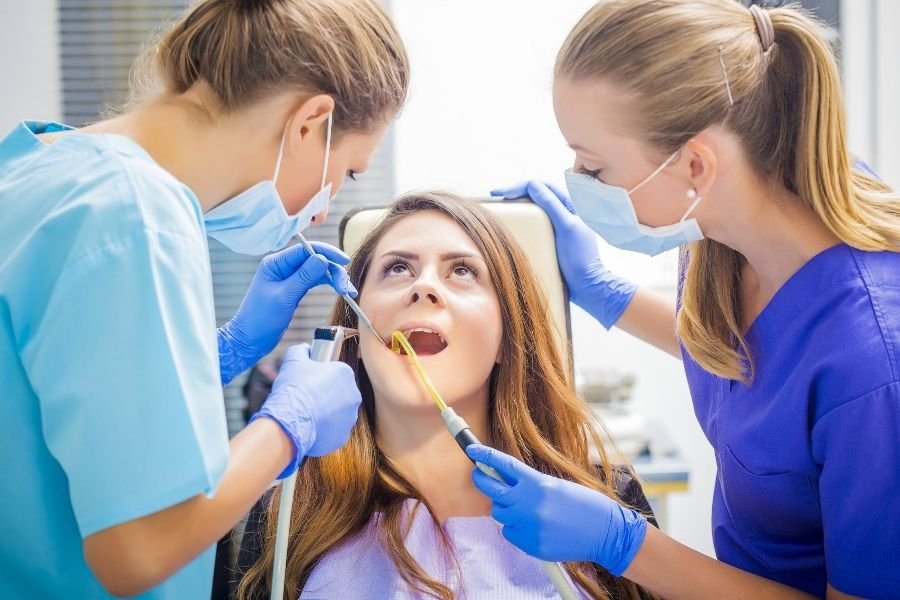
Teeth grinding in sleep is the clenching or rubbing together of the teeth when the jaw muscles become active during sleep. This condition, called bruxism, has no single cause. Stress, genetic predisposition, disturbed sleep, certain habits, medications and accompanying health problems can all play a part.
Many people do not realize that they clench their teeth while asleep. It can come to light when someone nearby hears the sound, or when wear is spotted during a dental examination. Mild bruxism does not always need treatment. If there is pain, sensitivity or tooth damage, an assessment is needed.
What Causes Teeth Grinding in Sleep?
Teeth grinding in sleep can be linked to stress and anxiety, genetic predisposition, brief awakenings during sleep, caffeine or alcohol intake, tobacco use and certain medications. Sleep problems such as snoring and sleep apnea can also accompany bruxism. The cause varies from person to person.
Sleep bruxism is not a mechanical problem caused simply by the teeth touching each other. The current view is that many factors related to the brain and to sleep patterns can act together.
Stress and Emotional Factors
Stress, tension, anxiety and heavy mental load can be linked to bruxism. This connection is particularly clear in clenching while awake. However, not everyone who experiences stress develops bruxism.
It is also not correct to say that teeth grinding in sleep is purely psychological. Sleep patterns, genetic traits, medications used and accompanying conditions should all be assessed together.
Disturbed Sleep and Breathing Problems
Sleep bruxism can be connected to brief arousal responses during sleep. If there is snoring, pauses in breathing during sleep and excessive daytime sleepiness, an assessment for sleep apnea may be needed.
Bruxism on its own is not proof of sleep apnea. Likewise, not everyone with sleep apnea grinds their teeth. Whether the two conditions occur together should be investigated by a doctor.
Genetic Predisposition
Sleep bruxism can be more common in some families. A family history of clenching or grinding can increase the risk. Genetic predisposition alone does not establish a diagnosis.
Caffeine, Alcohol and Tobacco Use
Consuming a lot of caffeine, especially late in the day, can affect sleep quality. Alcohol and tobacco use are also among the factors associated with bruxism. The timing and amount of consumption are considered in a personal assessment.
Certain Medications and Health Conditions
Some medications used for depression, seizure disorders or attention deficit hyperactivity disorder can be associated with bruxism. A prescription medication should not be stopped or changed without consulting the prescribing doctor.
Reflux, certain neurological conditions and sleep disorders can also accompany bruxism. This association does not mean that the grinding is necessarily caused by those conditions.
A deficiency of magnesium or B group vitamins has not been shown to be a direct cause of bruxism in adults. Bowel contents or parasites are not established causes either. Rather than taking supplements at random, an assessment should be carried out.
Differences Between Sleep Bruxism and Awake Bruxism
| Feature | Sleep bruxism | Awake bruxism |
|---|---|---|
| When does it occur? | It occurs during sleep. | It occurs while awake, usually without the person noticing. |
| Common behavior | Rhythmic grinding or prolonged clenching can occur. | Locking the teeth together and tensing the jaw can be more noticeable. |
| How is it noticed? | Someone nearby hears the sound, or morning symptoms give it away. | It can be identified through daytime awareness and reminders. |
| Approach | Protecting the teeth and examining sleep-related factors matters. | Habit awareness and the resting position of the jaw come first. |
The same person can have both sleep and awake bruxism. Telling them apart matters because their triggers and management methods can differ.
What Are the Symptoms of Teeth Grinding?
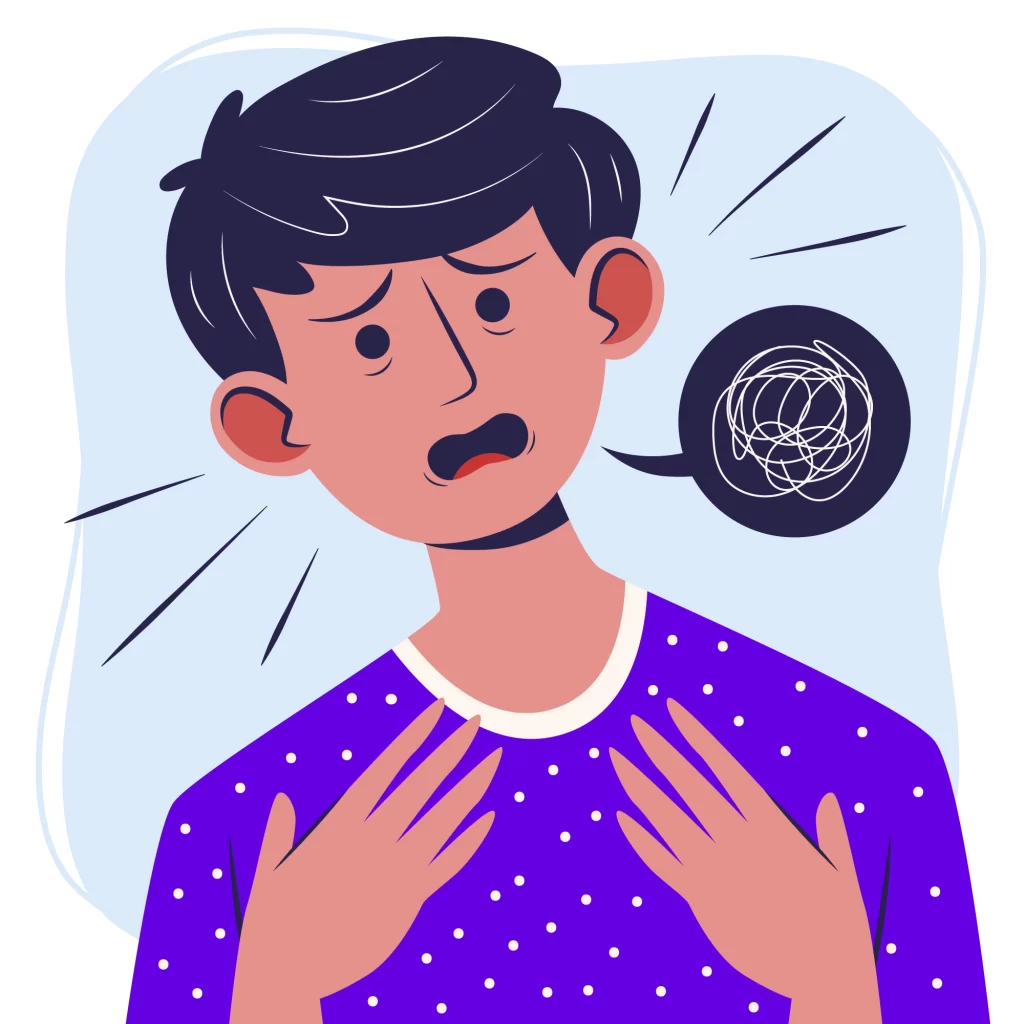
The sound made during sleep is one of the most noticeable signs of bruxism. However, not every clenching episode makes a sound. People who lock their teeth silently may only notice it through morning complaints.
- Fatigue, stiffness or pain in the jaw muscles in the morning
- A dull headache felt in the temples
- Flattening, wear, cracks or fractures in the teeth
- Tooth sensitivity to heat and cold
- Repeated damage to fillings, crowns or other restorations
- Pain in the face, jaw, neck or around the ears
- Difficulty opening the mouth, catching, or sounds from the jaw joint
- Tooth marks on the inside of the cheek or along the edge of the tongue
- Poorer sleep quality or waking up unrested
Pain around the ear does not always come from the ear. Problems in the jaw muscles and the jaw joint can create a similar sensation. Where necessary, a medical assessment is carried out to rule out ear conditions.
A situation we often see at our clinic is the person being unaware of the grinding. Observations by someone close to them and wear found at a routine dental examination can provide important clues.
How Is Teeth Grinding in Sleep Diagnosed?

The assessment starts with finding out when the symptoms began and how often they occur. The dentist may ask about sleep habits, daytime clenching, stress, medications used and any accompanying illnesses.
The oral examination looks at tooth wear, fractures, sensitivity and damage to restorations. Tenderness in the jaw muscles, restricted movement and jaw joint findings are also assessed.
Tooth wear alone does not indicate active bruxism. The wear may have occurred in the past or developed from other causes such as acid erosion. The findings are therefore interpreted together.
A grinding sound recorded on a phone can be a useful clue, but it is not enough for a diagnosis. In unclear or complex cases, devices that measure jaw muscle activity can be used.
If there is snoring, pauses in breathing, unusual movements during sleep or marked daytime sleepiness, a sleep study may be requested. Polysomnography provides detailed information about breathing and muscle activity during sleep.
How Can Teeth Grinding in Sleep Be Managed?
There is no single method that permanently stops bruxism. The aim of management is to protect the teeth, reduce pain and identify possible triggers. The approach is planned according to the severity of the symptoms.
- Try to keep your teeth apart during the day.
- Close your lips comfortably and let your jaw muscles relax.
- Use phone reminders to help you notice clenching.
- Avoid chewing gum for long periods and biting hard objects.
- Try to establish regular sleep hours.
- Limit caffeine and alcohol in the evening.
- If you smoke, ask a health professional about support to quit.
- Use approaches such as relaxation, breathing work or light exercise.
- Keep a short record of morning pain, sleep duration and possible triggers.
Jaw exercises may not suit everyone. Forced movements can increase pain. If there is jaw locking, joint pain or restricted movement, an assessment is needed before starting exercises.
Methods used at home do not repair damage that has already occurred to the teeth. If there is sensitivity, cracking or difficulty chewing, trying to ease the symptoms alone is not enough.
What Are the Treatment Options for Bruxism?

Treatment is not the same for everyone. Mild bruxism that causes no damage can be monitored. In people with tooth damage, jaw pain or a sleep problem, several approaches can be combined.
Night Guards and Splints
A night guard planned by a dentist creates a protective surface between the upper and lower teeth. The aim is to reduce the risk of wear, cracking and damage to restorations.
A night guard usually protects the teeth, but it may not completely stop muscle activity during sleep. The type of guard, which jaw it is made for and the follow-up period are set according to the examination.
An unsuitable mouthguard can lead to tooth movement, a change in the bite or discomfort. A dental assessment is therefore important before long-term use.
Repairing Damaged Teeth
If wear has progressed, fillings, crowns or other restorative procedures may be considered. The choice depends on the remaining tooth tissue, sensitivity, chewing function and how active the bruxism is.
Simply reshaping the teeth does not remove the cause of bruxism. Before planning restorations, the muscles, the jaw joint and sleep symptoms should be assessed together.
Stress Management and Habit Change
In people with marked stress or anxiety, relaxation methods and psychological support can help. In awake bruxism, awareness work can support the habit of keeping the teeth apart during the day.
Methods such as biofeedback can help some people notice their muscle activity. The effect varies from person to person and should not be seen as the only part of a treatment plan.
Managing Sleep and Accompanying Conditions
If sleep apnea or another sleep disorder is suspected, referral to the relevant specialty can be made. Managing the accompanying condition can reduce night-time clenching complaints in some people.
If the bruxism is thought to have started after a medication was begun, the prescribing doctor should be informed. The dose or treatment plan should not be changed on your own.
Botulinum Toxin and Medication Approaches
Botulinum toxin can be considered in selected cases that have not responded adequately to other methods. Although it can reduce muscle force and some complaints, it does not remove all the causes of bruxism.
The evidence does not show that it is suitable for every patient. Effects such as reduced chewing strength and temporary muscle weakness can occur. The decision should be made after a detailed examination.
Evidence on the effect of medication on bruxism is limited. Drugs should not be used routinely or at random. When medication is needed, it should be used only on a doctor's prescription.
What Causes Teeth Grinding in Children?
Children can grind their teeth in their sleep, and in many children it lessens over time. Sleep patterns, stress, genetic predisposition and breathing-related sleep problems are all considered in the assessment.
Mild wear on baby teeth does not always need treatment. If there is pain, marked wear, a fractured tooth, snoring or pauses in breathing during sleep, a dentist and a pediatrician should be consulted.
Whether a child needs a night guard is decided by assessing growth, dental development and symptoms. Mouthguards made for adults should not be used in children without supervision.
When Should You See a Dentist?
The sound of teeth grinding alone is not an emergency. However, if symptoms keep recurring, the teeth are damaged or quality of life is affected, an examination should not be postponed.
- If a tooth is cracked, fractured, loose or noticeably worn
- If morning jaw pain and headaches recur frequently
- If there is pain or difficulty while chewing
- If the jaw will not open or close, or locks frequently
- If your night guard keeps breaking or does not fit well
- If there is snoring, pauses in breathing or excessive daytime sleepiness
- If the symptoms began after starting a new medication
Facial swelling, fever, trauma, or difficulty swallowing or breathing may point to a problem other than bruxism. With these signs, seek medical care without delay.
Frequently Asked Questions
What causes teeth grinding at night?
Night-time teeth grinding can be linked to stress, genetic predisposition, disturbed sleep, certain medications, caffeine, alcohol and tobacco use. Sleep problems such as snoring or sleep apnea should also be assessed.
How can teeth grinding be managed?
No single method works for everyone. Protecting the teeth, reducing triggers, managing stress and assessing accompanying sleep problems are planned individually.
Does a night guard stop teeth grinding?
A night guard is mainly intended to protect the teeth from wear and fracture. It may not completely stop muscle activity or grinding episodes in every person.
Is clenching your teeth in your sleep psychological?
Stress and anxiety can be linked to bruxism, but the condition cannot be put down to psychological causes alone. Sleep patterns, genetic traits, medications and accompanying illnesses should also be examined.
Which illness does teeth grinding indicate?
Bruxism is not a symptom specific to a single illness. It can occur alongside sleep apnea, reflux and some neurological conditions, but no disease can be diagnosed from teeth grinding alone.
Which deficiency causes teeth grinding?
A deficiency of magnesium or a particular vitamin has not been shown to be a direct cause of adult bruxism. Before taking supplements, a medical assessment and, if considered necessary, tests should be carried out.
Is teeth grinding dangerous in children?
Mild bruxism in children can lessen over time. If there is pain, marked tooth wear, snoring or pauses in breathing during sleep, an assessment by a dentist and a pediatrician is needed.
Sources
- Bruxism | National Institute of Dental and Craniofacial Research
- Teeth Grinding: Symptoms and Causes | Mayo Clinic
- Teeth Grinding: Diagnosis and Treatment | Mayo Clinic
- Updating the Bruxism Definitions: Report of an International Consensus Meeting
- Managements of Sleep Bruxism in Adults: A Systematic Review
- Bruxism: Best Evidence Consensus Statement