
A mouth sore is a loss of surface tissue on the inside of the lips and cheeks, the tongue, the gums or the palate. Trauma such as biting and hot foods are common causes. Canker sores, infections and some systemic diseases can also cause a sore inside the mouth.
Small traumatic sores and canker sores usually heal in one to two weeks. A sore that does not clearly get smaller within two weeks, recurs often or lasts longer than three weeks should be assessed by a dentist.
What Is a Mouth Sore and Is It the Same as a Canker Sore?
Mouth sore is the general name for lesions that can develop for different reasons. A canker sore is a specific type of ulcer on the soft tissues inside the mouth, usually round or oval. Its center may be white or yellow, with a red border.
Canker sores do not form on the outer surface of the lips and they are not contagious. Fluid-filled blisters around the lip may be linked to a cold sore. The causes and treatment approaches for cold sores and canker sores differ from each other.
Types of Sores Inside the Mouth
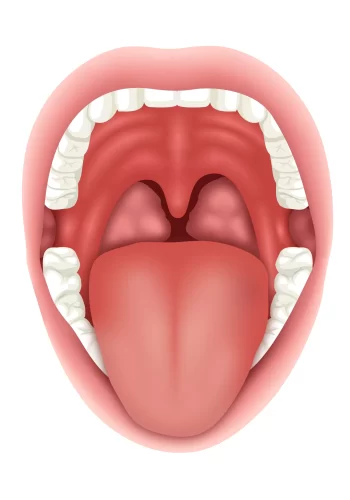
Not every white or red formation is a canker sore. The location, duration, number and appearance of the sore give information about the likely cause. However, making a diagnosis from the appearance alone is not correct.
| Type of Sore or Lesion | Typical Features | Expected Course |
|---|---|---|
| Minor canker sore | Small, round or oval, painful and with a red border. | Usually heals in one to two weeks without scarring. |
| Major canker sore | Larger, deeper and painful. It can make eating and speaking difficult. | Healing may take weeks and can leave a scar. An examination is needed. |
| Herpetiform canker sore | Appears as a cluster of many small sores. Despite the name, it is not caused by the cold sore virus. | Usually heals in one to two weeks, but it can recur. |
| Traumatic sore | Can develop after cheek biting, a sharp tooth, a denture, braces, hot food or hard brushing. | Usually heals once the irritation is removed. |
| Cold sores and herpetic lesions | Mostly form clustered blisters around the lip. Burning and tingling may occur. | They can be contagious. They are assessed differently from canker sores. |
| Oral thrush | A fungal infection that can appear as white plaques inside the mouth that wipe away. | It is not a typical canker sore. A clinical assessment and appropriate treatment are needed. |
| Persistent red or white lesion | May not wipe away and may become firm, bleed or look irregular. | It should be examined by a dentist without delay. |
What Are the Symptoms of a Mouth Sore?
Symptoms can vary with the cause of the sore. Fever and feeling generally unwell are not expected with a simple canker sore. If these findings are present, an infection or another health problem can be investigated.
- A round or oval sore inside the mouth with a white or yellow center
- Redness and tenderness around the sore
- Burning or tingling before the lesion appears
- Pain while speaking, chewing and swallowing
- Stinging that increases with spicy, salty or acidic foods
- Several sores appearing at the same time
- Difficulty eating because of repeated flare-ups
Why Do Mouth Sores Happen?
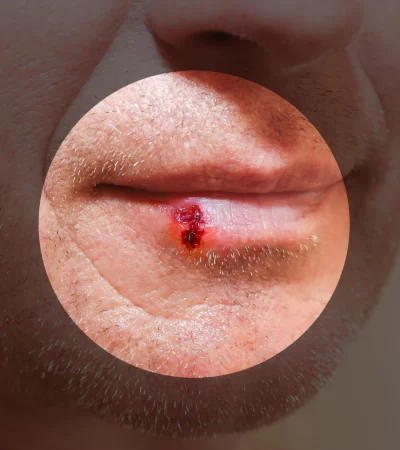
A mouth sore does not have one single cause. Whether it is the first time the sore has appeared, whether it recurs in the same place and whether other symptoms are present are all assessed.
Biting, Friction and Hot Foods
Biting the cheek or lip, hard foods and hot drinks can damage the lining of the mouth. Sharp tooth edges, broken fillings, braces and ill-fitting dentures can also create a sore in the same spot.
One of the practical causes we often see in our clinic is a sharp tooth or denture edge that constantly touches the same area. If the contact continues, the sore may not heal or may keep coming back.
A Tendency to Recurrent Canker Sores
The cause of recurrent canker sores cannot always be identified. Genetic tendency, the immune system's response and environmental triggers may play a part together. A history of canker sores in the family can increase the risk.
Vitamin and Mineral Deficiencies
Low iron, folate, vitamin B12 or zinc may be linked to recurrent sores in some people. Not every mouth sore means a vitamin deficiency. Instead of unnecessary supplements, a clinical assessment and appropriate blood tests are needed.
Stress and Hormonal Changes
Intense stress, tiredness and disrupted sleep can trigger a canker sore flare-up in some people. Hormonal changes such as menstruation or pregnancy can also affect the sensitivity of the oral tissues.
Foods and Oral Care Products
Acidic, very spicy or hard foods can increase the pain of an existing sore. In some people, certain foods or oral care products containing sodium lauryl sulfate may be linked to recurrent canker sores.
Infections
Viruses, fungi and, less often, bacteria can cause different lesions in the mouth. Not all of these lesions are canker sores. For example, oral thrush is a fungal infection, while a cold sore is a condition linked to the herpes virus.
Systemic Diseases and Medicines
Frequent or numerous mouth sores may be linked to celiac disease, inflammatory bowel diseases, Behçet's disease or conditions that affect the immune system. Additional symptoms on the skin, eyes, joints or genital area are important.
Some medicines can also trigger mouth sores. Do not stop a medicine you are taking on your own. Discuss the possible link with the clinician who prescribed it.
What Helps a Sore Inside the Mouth?
The aim of home care is to reduce irritation, make eating easier and maintain oral hygiene. These measures may not remove the cause of the sore. Sores that do not heal or that recur need an examination.
- Clean the area with a soft-bristled toothbrush without irritating it.
- Stay away from very hot, spicy, sour, hard and sharp-edged foods.
- Choose cool drinks and soft foods.
- Rinse your mouth with warm salt water and do not swallow the liquid.
- If a sharp tooth, denture or appliance touches the sore, show it to your dentist.
- Do not pick or squeeze the sore, and do not keep checking it with your tongue.
- Do not apply alcohol, cologne or any abrasive substance directly inside the mouth.
The evidence for traditional remedies such as baking soda and herbal oils is limited. Concentrated or direct applications can irritate the tissue. They should not be used in children without asking a clinician.
Which Medicines Are Used for Mouth Sores?
Instead of looking for the name of a medicine for a mouth sore, the type of lesion should be identified first. Canker sores, cold sores, oral thrush and traumatic sores are not treated with the same medicines. Treatments that count as medicines should be used with a prescription.
| Treatment Group | Purpose of Use | Points to Watch |
|---|---|---|
| Protective gels or oral pastes | By covering the sore, they can reduce contact with food and discomfort. | The product must be suitable for the lining of the mouth. |
| Products containing a local anesthetic | They can provide short-term pain control. | They should not be used in children or people with swallowing problems without a clinical assessment. |
| Antiseptic mouthwashes | They may be chosen to support oral hygiene and reduce the risk of secondary infection. | Long-term or unnecessary use is not recommended. |
| Topical corticosteroids | They may be used in severe or recurrent canker sores to reduce the inflammatory response and pain. | They should be used only with a prescription and exactly as directed. |
| Vitamin and mineral supplements | They can be planned to correct a deficiency when tests identify one. | They are not used routinely for every mouth sore. |
Antibiotics are not a routine treatment for simple canker sores. Antiviral or antifungal treatments are also planned with a prescription only when the relevant infection is identified.
What Helps a Sore on the Palate?
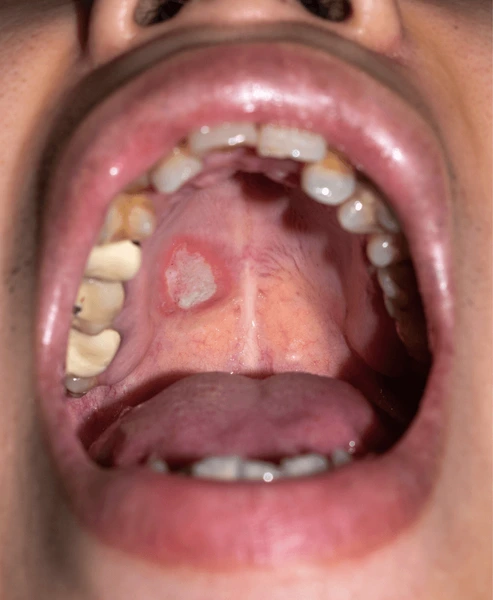
A palate sore can develop from a burn caused by hot food, hard food, a sharp denture edge, a canker sore or an infection. Burns on the hard palate can appear as superficial peeling of the tissue after hot food. A canker sore can form on the soft palate.
While the area heals, avoiding hot and hard foods, drinking cool fluids and keeping up oral hygiene can bring relief. If the sore on the palate does not get smaller within two weeks, grows or makes swallowing difficult, you should see a dentist.
How Are Mouth Sores Diagnosed and Treated?
The dentist examines the location, size and edges of the sore and the tissues around it. Sources of irritation such as a sharp tooth, a broken filling, a denture or braces are assessed. The duration of the sore, how often it recurs and the medicines used are also asked about.
In simple canker sores, extra tests are usually not needed. For sores that recur often, are large or do not heal, a blood count and tests for nutritional deficiencies may be requested. If an infection is suspected, a sample may be taken. Atypical and persistent lesions may require a biopsy.
Treatment is planned according to the cause of the sore. A sharp surface causing trauma can be smoothed, an ill-fitting denture can be adjusted, or a referral can be made to the relevant department for an underlying disease.
What Causes a Mouth Sore That Will Not Heal?
Ongoing friction that created the sore, a misidentified infection or an uncontrolled systemic condition can delay healing. Major canker sores can also last longer than minor ones.
A mouth sore that has not healed for a month should not be assumed to be a simple canker sore. A small proportion of persistent lesions can be one of the early signs of oral cancer. For this reason, an examination should not be put off even if there is no pain.
What Should You Do If a Mouth Sore Lasts Longer Than Two Weeks?
You should make a dental appointment for a sore that does not show clear healing within two weeks. Every mouth sore that lasts longer than three weeks must be examined. An earlier assessment is needed in the following situations:
- The sore grows, becomes firm or has irregular edges
- Easy bleeding, numbness or unexplained severe pain
- Constant recurrence in the same area
- Swelling in the neck or difficulty swallowing
- High fever, a widespread rash or marked tiredness
- Accompanying symptoms in the eyes, joints, skin or genital area
- Being unable to eat or drink, or signs of dehydration
Mouth Sores in Babies and Teething
Teething is not a direct cause of canker sores. However, a baby biting their cheek or putting hard objects in their mouth can create a traumatic sore. White plaques that do not wipe away may be linked to oral thrush, while a rash on the hands and feet along with mouth sores may point to an infection.
Mouthwashes made for adults, numbing gels and homemade mixtures should not be used in babies. If there is fever, refusal to feed, passing little urine or widespread lesions, an assessment by a pediatrician or a pediatric dentist is needed.
What Can Be Done to Prevent Mouth Sores?
- Clean your teeth with a soft brush, without pressing too hard.
- Do not ignore sharp teeth and ill-fitting denture edges.
- If you wear braces, tell your dentist about the area that is causing irritation.
- Eat a balanced diet; take vitamin supplements according to tests and clinical advice.
- Keep a sore diary to identify your personal triggers.
- Pay attention to getting enough sleep and managing stress.
- Remember that tobacco products and alcohol can irritate the oral tissues.
Frequently Asked Questions
What can sores inside the mouth be a sign of?
Mouth sores may be linked to trauma, canker sores, infection or nutritional deficiency. For sores that recur often, systemic diseases and the medicines used are also assessed.
How long does a mouth sore take to heal?
Small canker sores and traumatic sores usually heal in one to two weeks. If there is no clear improvement within two weeks, or the sore lasts longer than three weeks, you should see a dentist.
Which vitamin deficiency causes mouth sores?
Low iron, folate, vitamin B12 or zinc may be linked to recurrent sores in some people. However, not every mouth sore is caused by a deficiency; supplements should not be used without testing.
Which specialty should you see for a mouth sore?
You can see a dentist for the first assessment. Depending on systemic symptoms, a referral can be made to ear, nose and throat, dermatology, internal medicine or pediatrics.
What causes constant mouth sores?
Repeated trauma, a tendency to canker sores, stress, nutritional deficiencies, some medicines or systemic diseases can cause constant sores. Lesions that recur often should be examined.
Are canker sores contagious?
Canker sores are not contagious and are not caused by the herpes virus. A cold sore around the lip can be contagious and is different from a canker sore.
What causes a sore inside the lip?
Common causes of sores inside the lip are biting, contact with a sharp tooth, hot foods and canker sores. A sore that recurs in the same spot or does not heal within two weeks should be examined by a dentist.
Sources
- NHS – Mouth Ulcers
- Mayo Clinic – Canker Sore: Symptoms and Causes
- Mayo Clinic – Canker Sore: Diagnosis and Treatment
- National Institute of Dental and Craniofacial Research – Fever Blisters and Canker Sores
- Recurrent Oral Ulceration: Etiology, Classification, Management, and Diagnostic Algorithm
- Recurrent Aphthous Stomatitis: A Comprehensive Review and Recommendations on Therapeutic Options