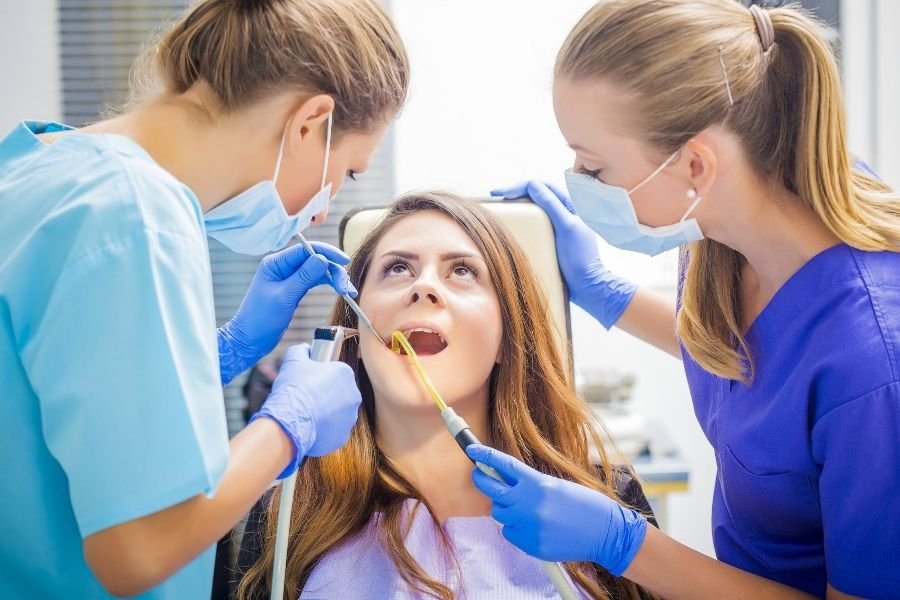
Cold sores usually appear when herpes simplex virus type 1 becomes active again. After the first infection, the virus can stay dormant in nerve cells. Illness, stress, fatigue, sun exposure and hormonal changes can all trigger a new flare-up.
Most cold sores heal noticeably within 10-14 days. Some flare-ups can last two or three weeks. Antiviral treatment considered in the early stage, together with proper care, may help reduce symptoms.
What Causes Cold Sores?
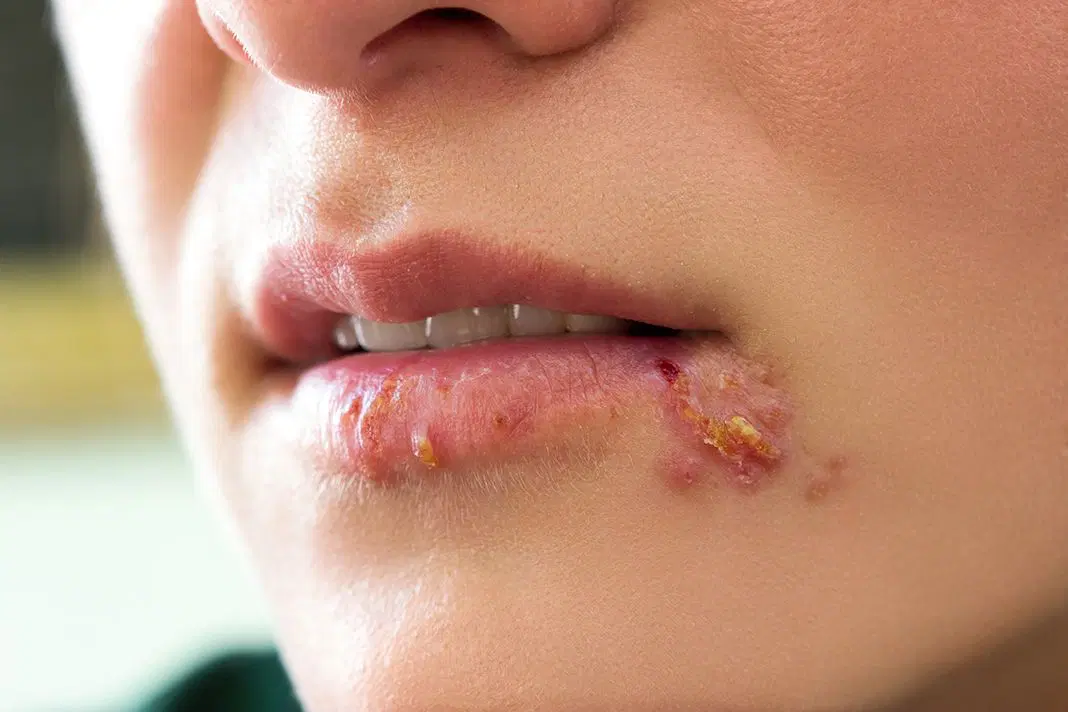
The main cause of a cold sore on the lip is herpes simplex virus infection. HSV-1 is responsible for most cold sores on the lips and around the mouth. HSV-2 can more rarely cause infection around the mouth.
The virus does not leave the body completely after the first infection. It can remain inactive inside nerve cells. When the right conditions occur, it can become active again and cause a cold sore, usually in the same area.
Situations That Can Trigger a Cold Sore
- Intense stress and emotional strain
- Poor sleep and marked fatigue
- Febrile illnesses and other infections
- Long exposure to sunlight
- Hormonal changes linked to the menstrual cycle
- Cracking, irritation or trauma around the lips
- Illnesses or treatments that affect the immune system
- Physical stress after some surgical and dental treatments
These factors can reactivate the virus, but they do not produce the same result in everyone. If your cold sores keep coming back, noting your personal triggers can make preventive planning easier.
Why Do Cold Sores Appear on the Lip?
A cold sore on the lip forms when the virus reactivates along the nerve pathways around the lips. Lesions often appear on the edge of the lip, near the corner of the mouth or around the nose.
The first infection can happen during close contact with someone who has an active cold sore. Kissing, mouth contact and contact with saliva are the main routes of transmission. Spread is also possible when no symptoms are present, but the risk is higher when blisters are active.
What Are the Symptoms of a Cold Sore?
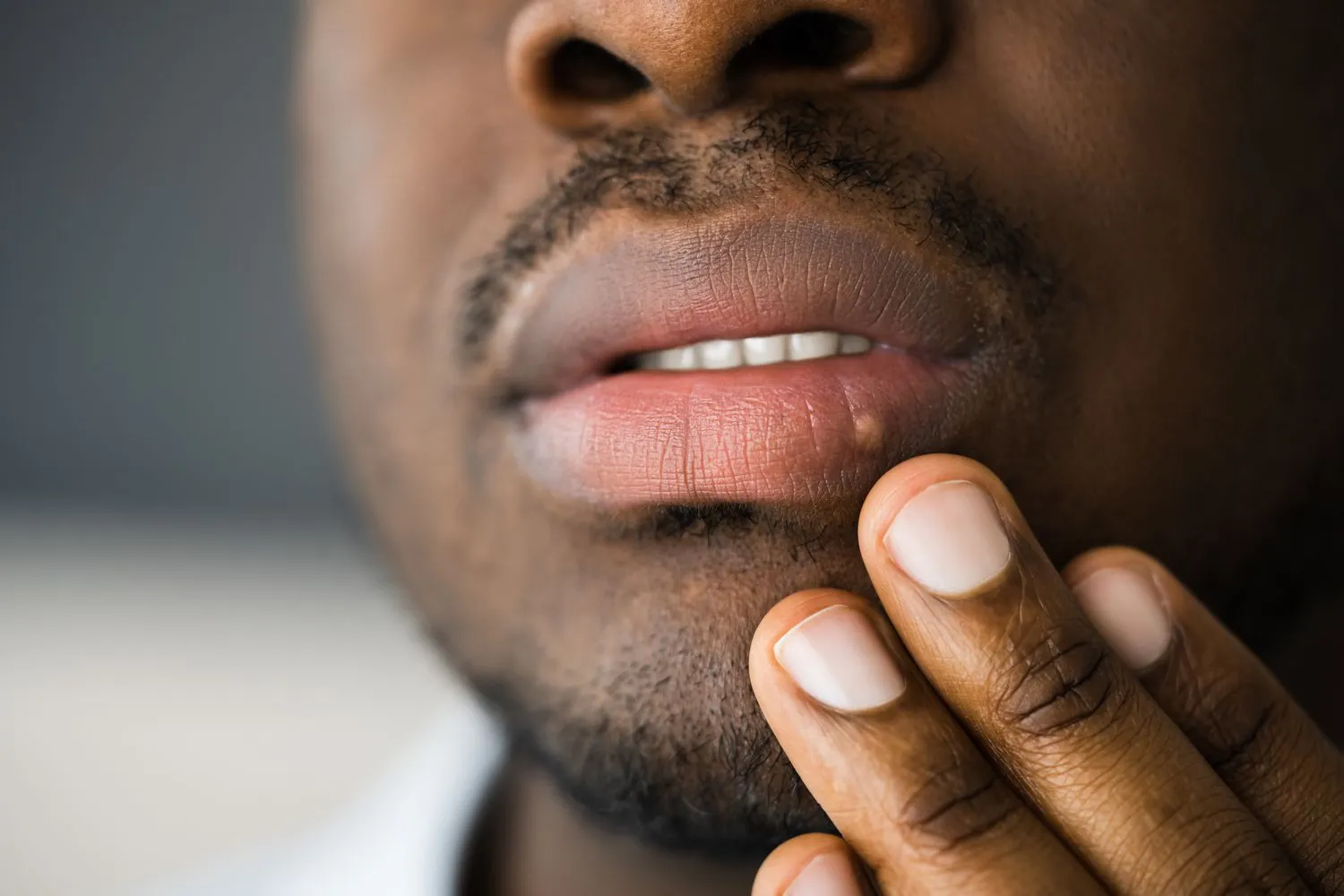
A cold sore usually starts with tingling, burning or itching before any blister appears. This early stage lets some people recognize an approaching flare-up easily.
- Tingling, itching or burning around the lip
- Tenderness, redness and mild swelling
- Small, fluid-filled blisters grouped together
- Shallow sores that form when the blisters open
- Oozing, drying and crusting
- Pain and tightness while speaking or eating
The first infection can be more pronounced than recurring cold sores. Fever, sore throat, swollen lymph nodes and painful gums may occur. In children, sores that spread inside the mouth can make drinking fluids difficult.
What Is a Cold Sore and How Does It Differ From a Canker Sore?
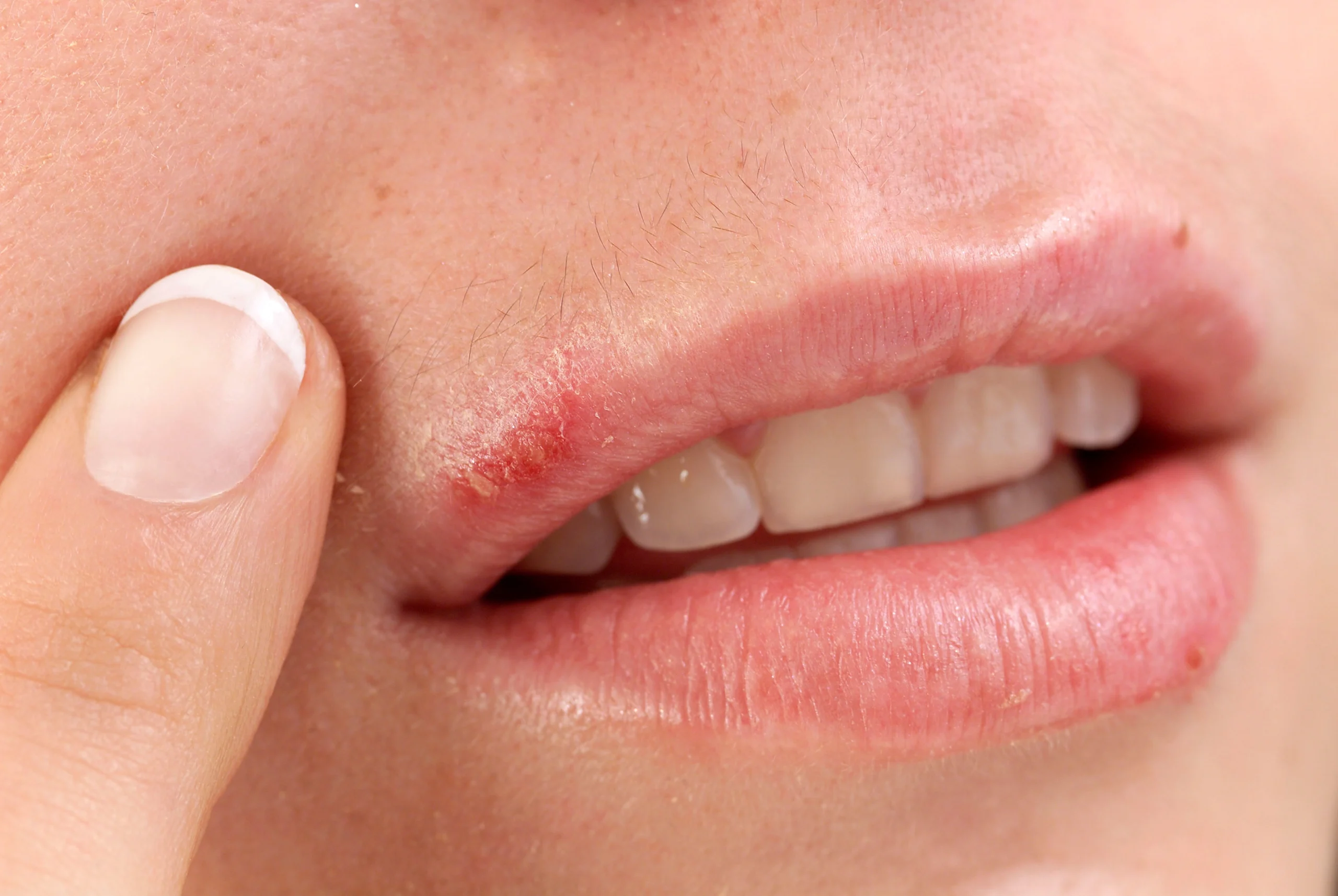
A cold sore is a blistering lesion caused by a contagious viral infection. A canker sore is not caused by the herpes virus and is not contagious. The location and appearance of the two conditions are usually different.
| Feature | Cold sore | Canker sore |
|---|---|---|
| Main cause | Mostly HSV-1 | Not linked to a single viral cause |
| Location | Usually the lip edge and the area around the mouth | Usually the inner lip, inner cheek or tongue |
| Appearance | Clustered, fluid-filled blisters | Round sore with a lighter center |
| Crusting | Common in lesions outside the lip | No crust forms inside the mouth |
| Contagious | Contagious | Not contagious |
One mix-up we see often at our clinic is that every sore inside the mouth is assumed to be a cold sore. Canker sores, traumatic ulcers and cracks at the corner of the mouth may need a different approach.
Which Vitamin Deficiency Causes Cold Sores?
No specific vitamin deficiency has been proven to cause cold sores directly. Cold sores are caused by the herpes simplex virus. A vitamin deficiency should not be treated as a cause that replaces the virus.
Poor nutrition can affect general health and immune function. Even so, vitamin or mineral supplements should not be taken at random simply because a cold sore has appeared. Whether a blood test is needed depends on your other symptoms and on a doctor's assessment.
Vitamin supplements do not clear HSV from the body. Studies on supplements such as L-lysine for preventing cold sores have not given consistent results either. Supplements should be reviewed for interactions with existing conditions and current medication.
How Long Does a Cold Sore Take to Heal?
A cold sore usually starts to heal within 10 days and closes within 10-14 days. First flare-ups or large lesions can take two or three weeks. Healing is not considered complete until the crust has fully come away.
| Stage | What you may notice | Approximate duration |
|---|---|---|
| Early warning | Tingling, burning or itching | A few hours to one day |
| Blister | Clustered, fluid-filled lesions | The first few days |
| Opening and crusting | Shallow sore, oozing and crust | A few days |
| Healing | The crust dries and the skin closes | Usually 10-14 days |
If the lesion shows no sign of healing within 10 days, it should be assessed. Sores that last more than two weeks or keep growing may require other conditions to be ruled out.
What Helps a Cold Sore and How Does It Clear Up?
There is no method that removes a cold sore instantly. The aim is to ease pain, protect the skin and prevent spread. Antiviral treatments may shorten healing time in some people.
A Cold Compress Can Be Applied
A cold compress wrapped in a clean cloth may ease burning and swelling. Ice should not touch the skin directly. Use a clean cloth for every application.
The Lip Area Can Be Protected
Picking at the crust can lead to cracking, bleeding and a risk of secondary infection. A suitable moisturizer or a protective patch may help shield the area from outside factors.
Pay Attention to Fluid Intake
Drinking can become difficult, especially during a first infection that spreads inside the mouth. Cool drinks may bring relief. If sour, very salty or spicy foods increase pain, they can be limited for a while.
Protect Yourself From the Sun
Sun exposure can trigger recurring cold sores in some people. Lip products with sun protection and physical shading may help those whose personal trigger is the sun.
Be Careful With Remedies That Have Limited Evidence
Studies on aloe vera, propolis, lemon balm and lysine have not set a clear standard. These products should not replace antiviral treatment. The risk of allergy and irritation should also be considered.
Applying toothpaste, cologne, pure alcohol, vinegar, garlic or essential oils can irritate the skin. There is not enough evidence that these practices heal a cold sore reliably.
What Should You Look for in a Cold Sore Cream?
There is no single cream that suits every person and every stage of a cold sore. The product's ingredients, when the flare-up began and your health status should be considered together.
Topical antiviral products may be more useful when started at the early tingling stage. Once blisters have developed, their benefit can be limited. Medication use should be planned on the advice of a pharmacist or doctor and in line with the product instructions.
| Option | What it is used for | What to watch out for |
|---|---|---|
| Topical antiviral cream | May help suppress viral replication in the early stage | Should be used on a doctor's or pharmacist's advice; do not apply to the eyes or inside the mouth |
| Oral antiviral medication | May be considered for large, painful or frequently recurring flare-ups | Planned by prescription; no personal dosage advice is given here |
| Protective cold sore patch | Can shield the area from contact and friction | Does not clear the virus and does not replace hygiene measures |
| Moisturizing lip product | May help reduce dryness and cracking | Should not be shared or applied directly to someone else's skin |
Creams containing corticosteroids should not be used alone or at random. Some combination products used together with an antiviral may only be suitable after a doctor's assessment. Separate advice should be sought during pregnancy, breastfeeding and childhood.
Are Cold Sores Contagious?
Cold sores are contagious. They can start spreading with the first symptoms, such as tingling, and remain contagious until the skin has healed completely. The risk is higher while blisters are fluid-filled or open.
- Avoid kissing while you have an active cold sore.
- Postpone oral contact until the lesion has fully healed.
- Do not share items such as lip products, towels, glasses and cutlery.
- Wash your hands before and after touching the lesion.
- Instead of spreading cream with your finger, use the clean application method in the product instructions.
- Do not touch your eyes after touching a cold sore.
- People with an active cold sore should not kiss newborn babies.
How Can You Reduce Cold Sore Recurrences?
It is not possible to clear the virus from the body completely. Even so, managing your personal triggers may help reduce how often flare-ups occur.
- Sleep regularly and avoid prolonged fatigue.
- Add methods that help you cope with stress to your daily routine.
- If the sun is a trigger, protect the area around your lips.
- Avoid the habit of biting your lips and picking at crusts.
- Note the date, duration and possible triggers of each flare-up.
- For frequent flare-ups, ask a doctor about a preventive antiviral approach.
When Should You See a Doctor for a Cold Sore?
A small, typical cold sore usually heals on its own. However, some signs call for early medical or dental assessment.
- The lesion does not close within two weeks
- The cold sore is very large, widespread or severely painful
- Flare-ups recur frequently
- There are widespread sores inside the mouth and painful gum swelling
- Pain or signs of dehydration that prevent fluid intake
- An illness or treatment that suppresses the immune system
- Herpes symptoms appearing for the first time during pregnancy
- A newborn baby has been in contact with a cold sore
If there is eye pain, stinging, light sensitivity, redness or a change in vision, seek medical care without delay. Because HSV can affect eye tissue, these symptoms should not be monitored at home.
The diagnosis can be made from appearance and history. For atypical, widespread or non-healing lesions, a sample may be taken for laboratory testing. Telling lip and mouth sores apart correctly makes it possible to choose the right approach.
Frequently Asked Questions
Are cold sores contagious?
Yes. They can start spreading with the first symptoms, such as tingling, and stay contagious until the lesion has healed completely.
How long does a cold sore take to heal?
Cold sores usually heal within 10-14 days. First, large or severe flare-ups can take two or three weeks to close.
Which cream can be used for a cold sore?
Topical creams with antiviral ingredients can be considered in the early stage. The product should be chosen on a pharmacist's or doctor's advice, according to your own health status.
Do cold sores come from a vitamin deficiency?
No specific vitamin deficiency has been shown to cause cold sores directly. The main cause of a cold sore is the herpes simplex virus.
Should cold sore blisters be popped?
No. Popping the blisters can spread the virus, cause bleeding and lead to secondary infection.
Do toothpaste or garlic help a cold sore?
There is not enough evidence that these methods offer a reliable benefit. Toothpaste, garlic, vinegar and alcohol can irritate the skin.
Why do I keep getting cold sores on my lip?
Stress, fatigue, febrile illness, sun exposure, hormonal changes and conditions affecting the immune system can trigger recurrences. Frequent flare-ups need a doctor's assessment.
Which cold sore symptoms need urgent assessment?
Eye pain, light sensitivity, changes in vision or contact between a newborn baby and a cold sore should be assessed without delay. People with a suppressed immune system should also seek advice early.