
Pedodontics is the branch of dentistry that looks after children's oral and dental health from infancy to adolescence. The development of baby and permanent teeth is monitored, and decay, trauma, early tooth loss and gum problems are assessed.
Pediatric dentistry is not limited to treating current complaints. Identifying the risk of decay, building age-appropriate care habits and providing preventive treatments are also important parts of pedodontics.
What Is Pedodontics?

Pedodontics covers dental care suited to children's changing oral structure and stages of development. The term is spelled pedodonti in Turkish and means pediatric dentistry. The forms pedidonti, pedotonti and pedodenti are common misspellings.
A pedodontic examination may look at the gums, jaw development, the bite and oral habits as well as the teeth. Situations such as thumb sucking, prolonged pacifier use or mouth breathing may call for further assessment.
Who Is a Pedodontist and What Do They Do?
A pedodontist is a dentist who has completed specialist training in pediatric dentistry after dental school. In everyday language, the terms children's dentist or pediatric dentist are also used.
The main conditions a pedodontist assesses are:
- Decay, discoloration or structural defects in baby and permanent teeth
- Toothache, sensitivity, abscesses and gum problems
- Dental trauma caused by falls or knocks
- A baby tooth being lost earlier than expected
- Delayed tooth eruption and developmental differences
- The need for fluoride and fissure sealants based on the risk of decay
- Fear or anxiety that affects how a child copes with dental treatment
The same procedure is not planned for every child. The treatment decision is based on age, the stage of tooth development, the risk of decay, the medical history and the examination findings.
When Should a Child Have Their First Dental Examination?
A first dental assessment is recommended once the first baby tooth has come through, and by around the age of one at the latest. Even if no clear problem is found, an early examination gives the family guidance on oral care and nutrition.
The interval between later check-ups is not fixed. Your dentist sets it after considering the risk of decay, previous treatments, tooth development and how care is managed at home.
Why Are Baby Teeth Important in Children?

Baby teeth contribute to chewing, speech and jaw development. They act as natural space maintainers for the permanent teeth and guide them into the right position.
Leaving a decayed baby tooth untreated on the grounds that “it will fall out anyway” is not the right approach. Decay that progresses can lead to pain, infection, difficulty eating and early loss of the tooth. When a tooth is lost early, the neighboring teeth can drift into the space.
Baby Tooth Decay and Early Tooth Loss

Decay in baby teeth can first be noticed as white or brown spots. Over time, cavities, food trapping, sensitivity to hot and cold and pain can develop. If there is pain that wakes the child at night or swelling in the face, the assessment should not be delayed.
Whether the tooth can be saved is determined after an examination and, where needed, imaging. In some cases requiring early extraction, a space maintainer may be considered to preserve the gap for the permanent tooth.
What Treatments Are Used in Pedodontics?
The procedures available within pedodontics are chosen according to each child's individual needs:
| Procedure | Purpose |
|---|---|
| Fluoride application | To help protect the tooth enamel according to the risk of decay |
| Fissure sealant | To seal the deep chewing grooves of the back teeth with a protective material |
| Filling | To preserve the function and structure of a tooth after decay has been removed |
| Pulpotomy or root canal treatment | To provide suitable treatment when the problem reaches the inner tissue of the tooth |
| Tooth extraction | To remove a tooth that cannot be saved or that blocks eruption, where necessary |
| Space maintainer | To preserve the gap after early loss of a baby tooth |
| Trauma treatment | To assess a tooth that has been broken, displaced or knocked out |
A fissure sealant and a filling are not the same procedure. A sealant is usually considered as a preventive measure for grooves that are at risk but have no decay, or only very early decay. A filling, on the other hand, repairs tooth structure that has been lost to decay.
How Does a Pedodontic Examination Work?
- The child's medical history, medications, allergies and previous dental experiences are noted.
- The teeth, gums, bite and the soft tissues inside the mouth are examined.
- Imaging is carried out only when considered necessary and with appropriate protective measures.
- The risk of decay and treatment priorities are explained to the family in plain language.
- A step-by-step treatment plan is prepared, taking the child's age and cooperation into account.
One situation we often see at the clinic is a first visit that only happens once pain has started. An introductory examination before any complaint arises can help the child settle into the setting more calmly.
Choosing a Toothbrush and Toothpaste for Children

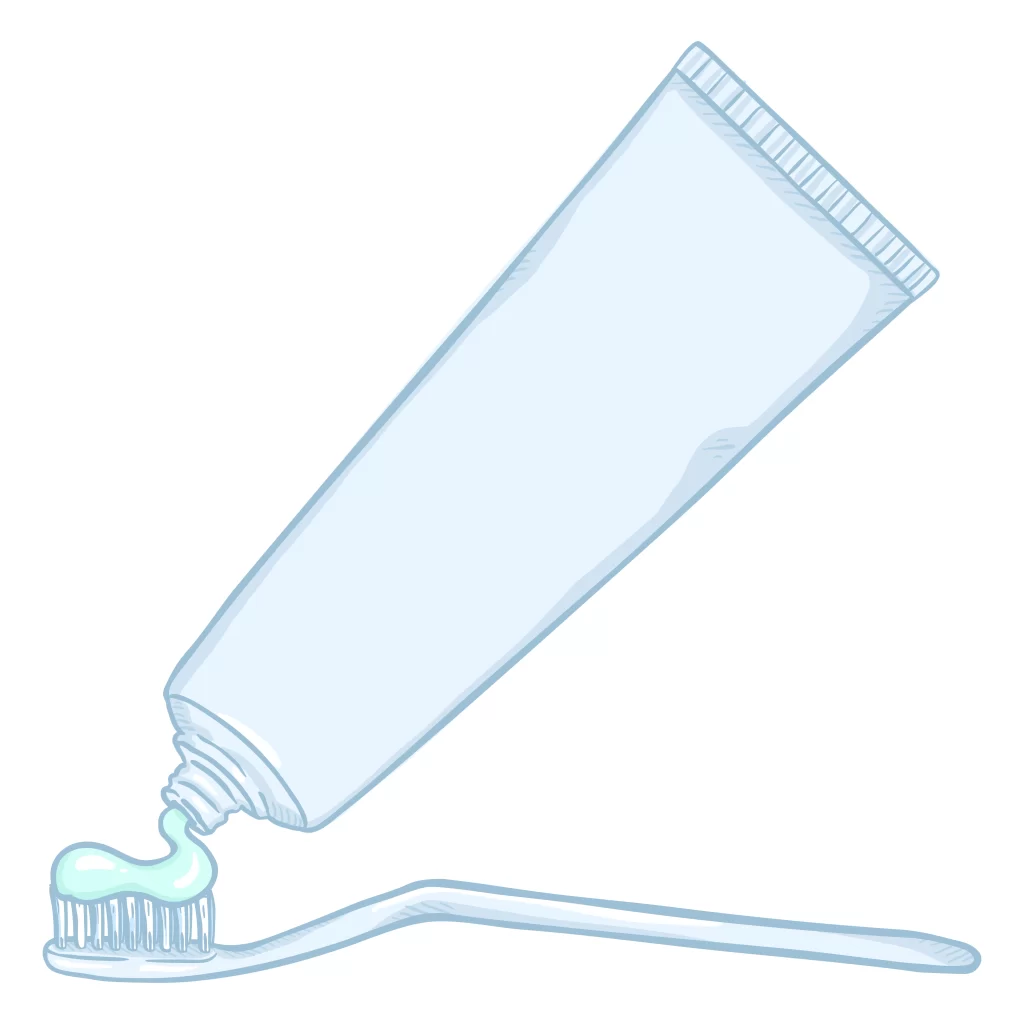
Regular brushing should start as soon as the first baby tooth appears in the mouth. A small-headed, soft-bristled toothbrush suited to the size of the child's mouth is a good choice. Brushes that are worn or misshapen should be replaced.
Teeth can be brushed twice a day with an age-appropriate amount of fluoride toothpaste. A rice-grain-sized amount is recommended for children under three and a pea-sized amount between three and six. Young children should brush under adult supervision so that they do not swallow the toothpaste.
With sugary foods, it is not only the amount that matters but also how often they are eaten during the day. In particular, a bottle containing a sugary drink should not be used at sleep time. Giving nothing but water after brushing at night supports oral care.
How Should You Approach Children Who Fear the Dentist?
Instead of phrases such as “it won't hurt” or “don't be scared”, which remind the child of anxiety, use simple explanations. It helps not to frighten the child with treatment details before the appointment and not to discuss negative experiences in front of them.
During the appointment, behavior guidance methods such as tell-show-do, positive reinforcement and distraction can be used. The method is tailored to the child's age, stage of development, medical history and the necessity of the treatment.
When Should You See a Dentist Without Delay?
- Rapidly increasing swelling in the face or gums
- Fever or marked tiredness along with toothache
- Pain that disrupts the child's sleep or prevents them from eating
- Difficulty swallowing or breathing
- A tooth broken, displaced or knocked out after a fall
- Bleeding that does not stop, or a large injury around the mouth
If a permanent tooth has been knocked out completely, hold it by the crown without touching the root and get to a dentist quickly. A baby tooth that has been knocked out should not be put back into its socket.
Pediatric Dentistry Care in Bursa
The Private MFSDENT Oral and Dental Health Polyclinic provides examinations and treatment planning for children's oral and dental health in Yıldırım, Bursa. The assessment considers the child's age, medical history, dental development and ability to cope with treatment together.
The MFS Dent team includes dentists practicing with the title of Dentist. Which dentist sees a child patient is decided according to the appointment schedule and the clinical needs.
The polyclinic is at Davutkadı Mah. Fatih Sultan Mehmet Cad. No: 57/B, Yıldırım, Bursa, and is open seven days a week. Before the appointment, please share the child's complaint, the time of any injury and their health information.
Information on 2026 Pediatric Dentistry Fees
The amounts below, in Turkish lira (TL), are taken from the VAT-exclusive and VAT-inclusive figures in the Turkish Dental Association's 2026 guide fee schedule. They are not the clinic's final fees.
| Pediatric Dentistry Procedure | 2026 TDB Guide Range |
|---|---|
| Fissure sealant, single tooth | 1,315–1,445 TL |
| Topical fluoride application, half jaw | 1,250–1,375 TL |
| Compomer filling | 3,800–4,180 TL |
| Root canal treatment of a baby tooth | 6,150–6,765 TL |
| Fixed space maintainer | 6,800–7,480 TL |
| Removable space maintainer | 9,100–10,010 TL |
The price information is for guidance only for 2026; the final fee is set after an examination. The scope of treatment, the materials used, the number of teeth and additional procedures can change the total.
Sources
- Turkish Dental Association (TDB) 2026 Oral and Dental Health Examination and Treatment Fee Guide
- Turkish Ministry of Health – Oral and Dental Health in Children
- American Dental Association – Dental Sealants
- American Academy of Pediatric Dentistry – Behavior Guidance for the Pediatric Dental Patient
- American Academy of Pediatric Dentistry – First Dental Visit by Age One
Guides
Our Pediatric Dentists
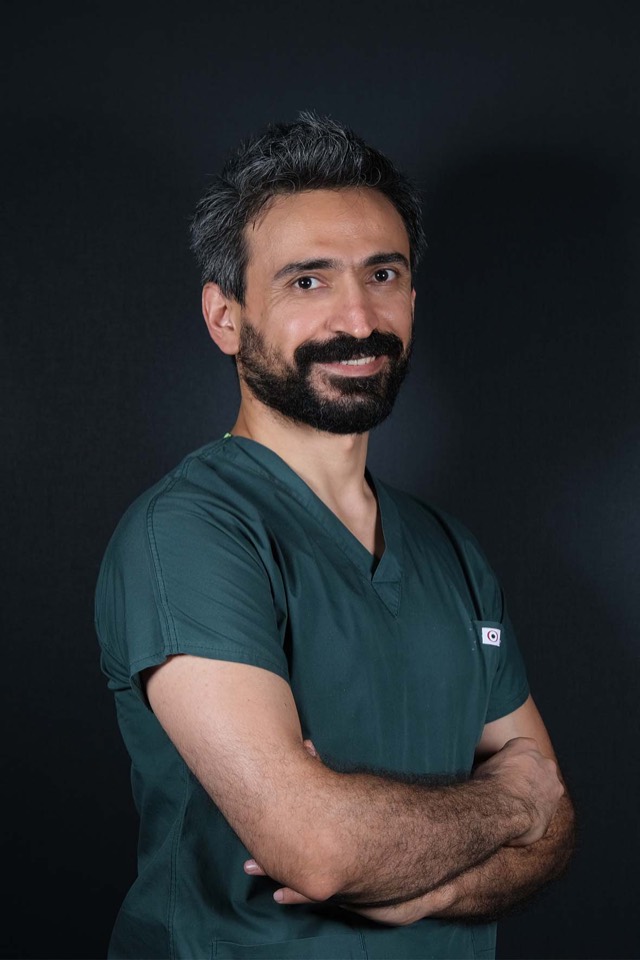
Mehmet Fatih Sever
Dentist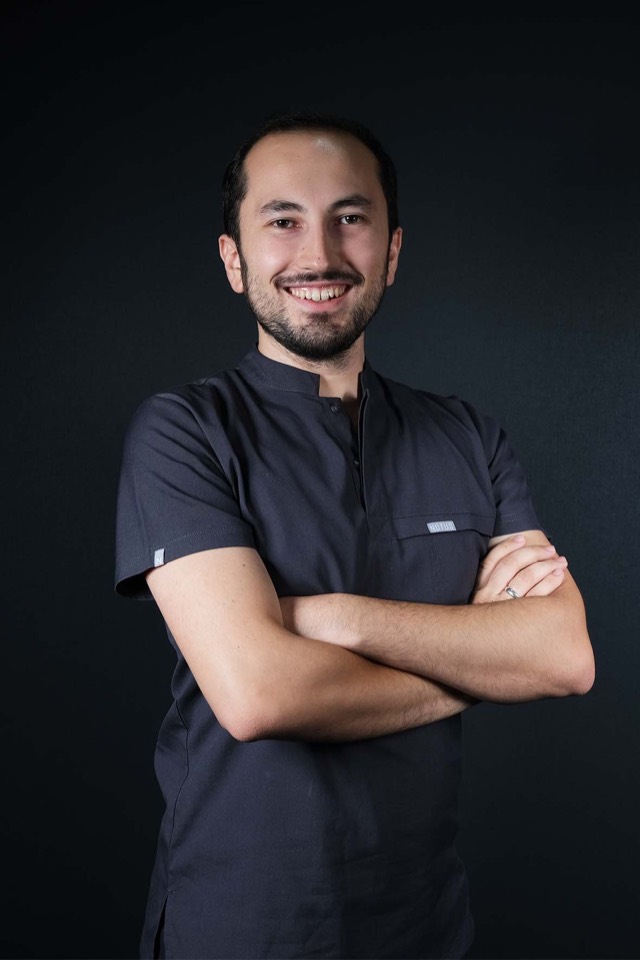
Muhammed Ali Kurmuş
Dentist
İremnur Yıldız
Dentist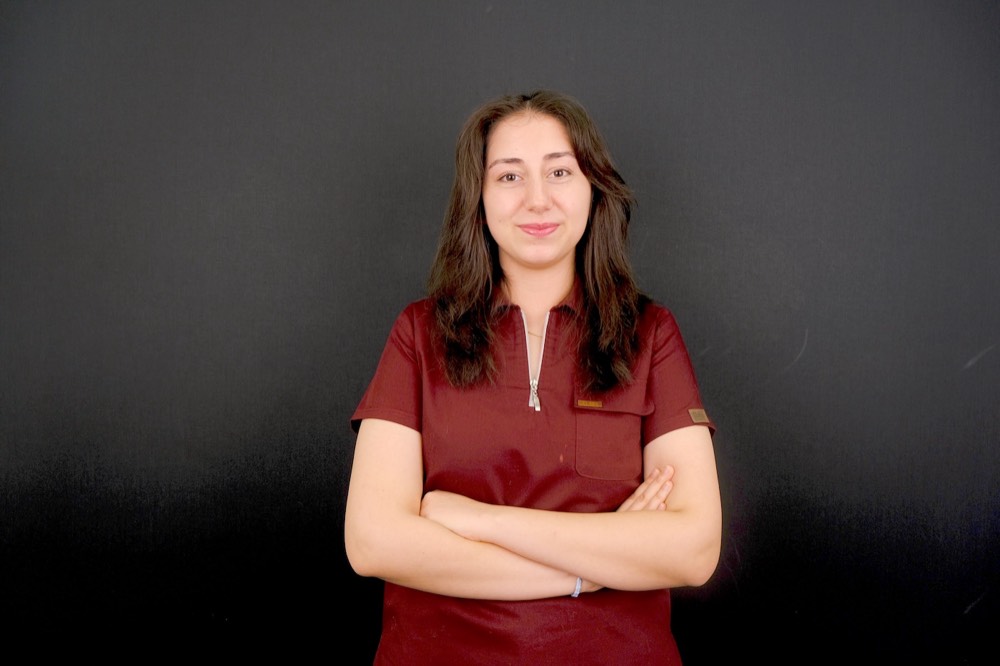
Beyzanur Şaşmaz
Dentist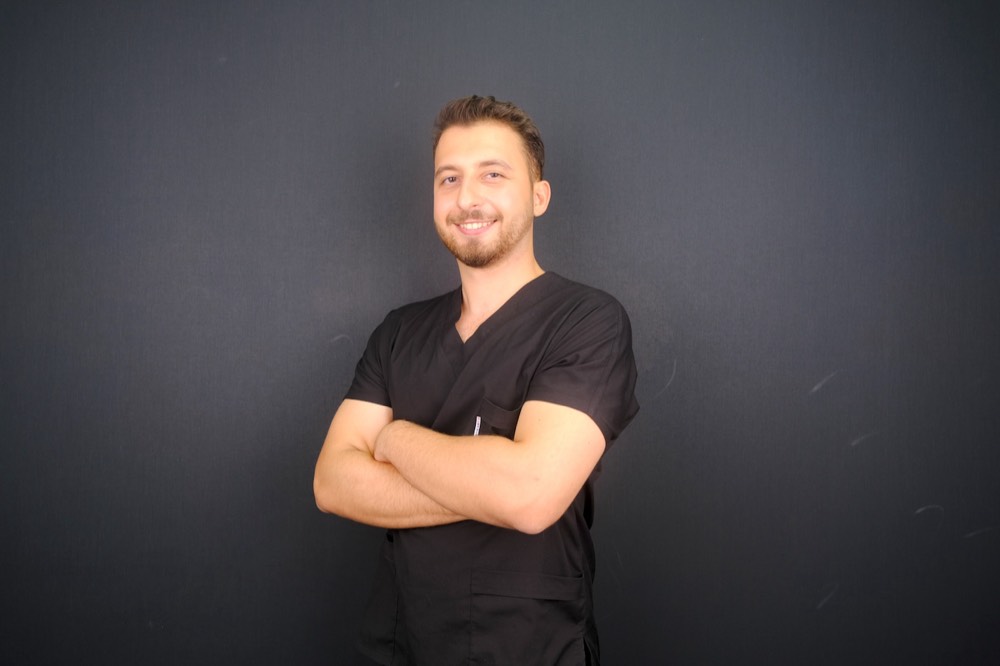
Hasan Köken
DentistFrequently Asked Questions
Pedodontics is the branch of dentistry that looks after children's oral and dental health from infancy to adolescence. It is also known as pediatric dentistry.
A pedodontist assesses decay, toothache, trauma, early tooth loss and developmental problems in children. Preventive measures and any necessary treatment are planned according to the child's age.
A first dental examination is recommended once the first baby tooth has come through, and by around the age of one at the latest. This visit gives the family guidance on oral care and preventing decay.
Baby teeth play a role in chewing, speech and holding space for the permanent teeth. Whether treatment is needed is determined by how far the decay has progressed and when the tooth is due to fall out.
No. Fluoride application helps protect the tooth enamel against decay, while a fissure sealant forms a physical protective layer over the deep grooves of the back teeth.
Avoid words that might frighten the child and describe the visit in simple language. The behavior guidance method used during the appointment is chosen according to the child's age and needs.
A baby tooth that has been knocked out should not be put back into its socket. With permanent tooth trauma, keep the tooth without touching the root and see a dentist without delay.
The fee depends on the procedure, the number of teeth, the materials used and any additional treatment needed. The 2026 ranges shared here are for information only; the final fee is set after an examination.
Everyone working at the polyclinic does their job very well. I recommend them to everyone. I would also like to say that Ceyda is highly competent in her work and very attentive and understanding toward her patients. She cleaned and treated a tooth of mine that had only the root left with great care, attention and expertise. She then restored it with a ceramic crown so that it looks natural and indistinguishable from my other teeth. I am very pleased and I thank her very much.
Merve Duran
The content on this page is published for informational purposes only. It does not constitute a curative health service. For diagnosis and treatment, please consult your dentist.