
Endodontics is the branch of dentistry that studies diseases of the living tissue inside the tooth, called the pulp, and of the tissues around the root. Root canal treatment is one of the most common procedures in endodontics.
What does endodontics do? It assesses pulp that has been damaged by deep decay, a crack or trauma. Where necessary, infected tissue is removed and the root canals are filled so that the tooth can be kept in the mouth.
What Is Endodontics?
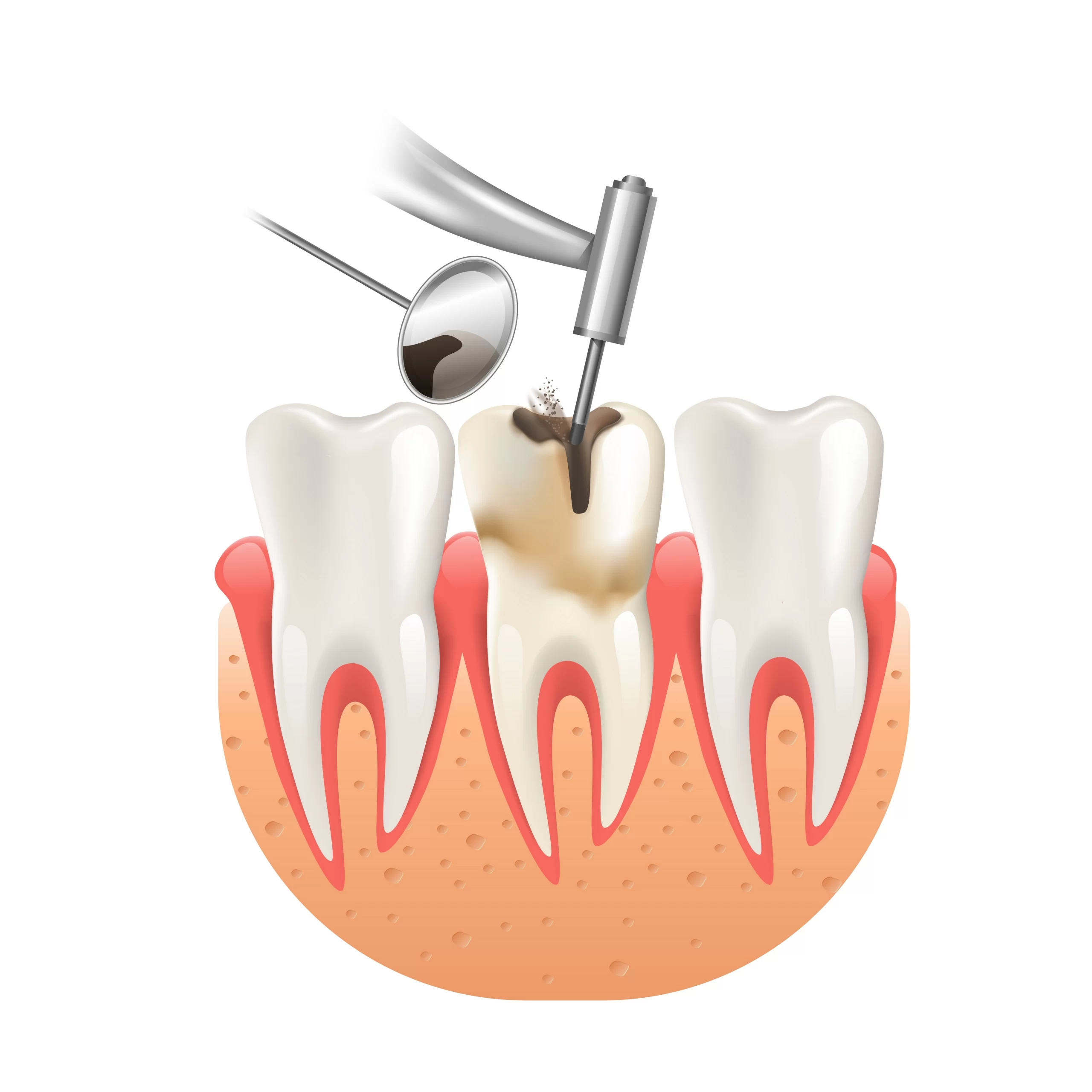
Beneath the visible hard layers of the tooth lies the pulp, made up of nerves, blood vessels and connective tissue. When the pulp becomes inflamed or loses its vitality, pain, sensitivity or infection around the root can develop.
Endodontics is not limited to root canal treatment. Diagnosing pulp disease, following up teeth that have suffered trauma and assessing previous root canal treatments also fall within this field.
What Kind of Department Is Endodontics?
The endodontics department deals with the inner tissues of the tooth and the root canal system. Patients usually come in because of toothache, sensitivity to hot and cold, or pain when chewing.
What Does Endodontics Do?
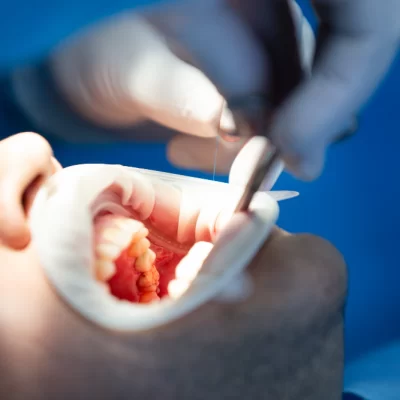
An endodontic assessment identifies the source of your complaint. The intraoral examination, sensitivity tests and any necessary radiographs are evaluated together.
- Assesses pulp that is inflamed or has lost its vitality.
- Carries out root canal treatment on teeth that need it.
- Examines teeth that have been treated before but still cause symptoms.
- Plans follow-up for dental trauma and lesions around the root.
- Assesses whether the tooth needs to be restored with a filling or a crown.
The decision to treat is not based on pain alone. Some pulp and periapical problems can progress without causing noticeable pain.
Signs That Endodontic Treatment May Be Needed
The following signs can indicate that the pulp is affected. A dental examination is needed for a definite diagnosis:
- Toothache that starts on its own or gets worse at night
- Sensitivity that lingers after something hot or cold
- Pain when biting and chewing
- Swelling, discharge or a pimple-like spot on the gum
- Darkening of the tooth's color
- Sensitivity that begins after an injury
One situation we often see at the clinic is people assuming the problem has resolved once the pain subsides. When the pulp loses its vitality the pain can ease, but the problem around the root may continue.
Why Is Endodontic Treatment Needed?
Deep decay, cracks and dental trauma can damage the pulp tissue irreversibly. Repeated procedures on the same tooth can also affect the pulp.
The aim of treatment is to remove infected tissue, clean the root canal system and preserve the function of the tooth. Whether a tooth can be treated depends on how much sound tissue remains, on any cracks and on the condition of the surrounding bone.
What Is an Endodontist and What Do They Do?
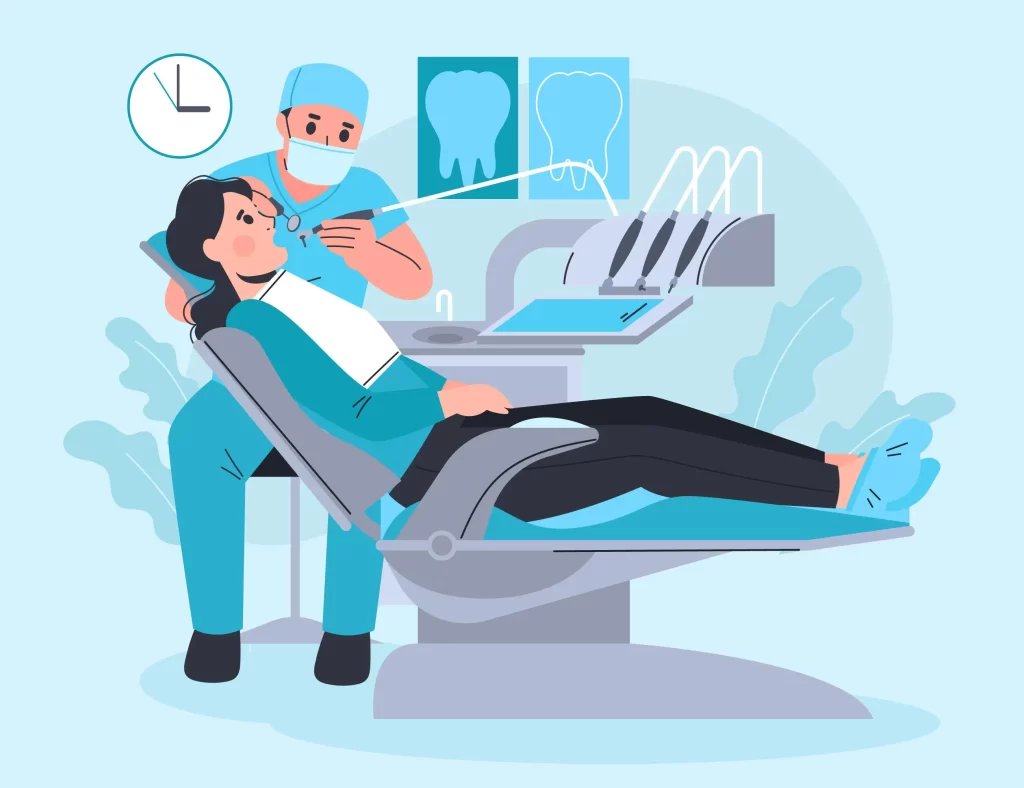
An endodontist is a Specialist Dentist who has completed specialist training in endodontics after dental school. They focus on the diagnosis and treatment of conditions affecting the dental pulp and the root canal system.
Dentists can also carry out root canal treatment. A specialist assessment may be needed for complex canal anatomy, root canal retreatment, trauma or pain that is difficult to diagnose.
How Is Endodontic Treatment Carried Out?
- Examination: the tooth, the surrounding tissues and the radiographic findings are assessed.
- Anesthesia: local anesthesia is given in the treatment area.
- Isolation: the tooth is protected from saliva and oral bacteria.
- Canal access: a controlled opening is made to reach the pulp chamber.
- Cleaning: damaged tissue is removed and the canals are cleaned and shaped.
- Root filling: the cleaned canals are sealed with a suitable filling material.
- Restoration: a temporary or permanent filling is placed. A crown is planned if needed.
The steps can vary with the number of canals in the tooth and the extent of infection. The same treatment plan is not used for every tooth.
Does Endodontics Involve Fillings?
Yes. Filling the root canals is a core part of root canal treatment. A temporary or permanent filling may also be placed in the upper part of the tooth.
In teeth that have lost a lot of structure, a filling alone may not be enough. The risk of fracture is assessed, and a crown or another type of restoration may be planned.
How Long Does Endodontic Treatment Take?
Root canal treatment can be completed in a single session or over several appointments. In most cases one appointment can take roughly 60–120 minutes.
The time depends on the number of canals, the position of the tooth, infection, previous treatments and the canal anatomy. The choice between single-visit and multiple-visit approaches is made according to the examination findings.
What Should You Watch for After Endodontic Treatment?

- Do not chew on the treated side until the numbness has worn off completely.
- If you have a temporary filling, be careful with hard and sticky foods.
- Brush your teeth as usual and clean between them.
- Do not postpone the check-up and permanent restoration appointments your dentist has planned.
- Take medicines only as prescribed or advised by your dentist.
Mild sensitivity can occur for a few days after the procedure. Contact your dentist if pain increases, if the bite feels noticeably high, if there is swelling, or if the temporary filling comes out.
When Is Urgent Assessment Needed?
Rapidly increasing swelling in the face or neck, fever and feeling generally unwell should be assessed without delay. If you have difficulty breathing or swallowing, seek emergency medical care.
An abscess on the gum that drains can make the pain ease. That does not mean the infection has cleared, and a dental examination is still needed.
Booking an Appointment When Looking for an Endodontist in Bursa
When you come in for endodontic care or root canal treatment in Bursa, a clinical examination is carried out first. Whether the treatment is provided by a Dentist or a Specialist Dentist is planned according to what the case requires.
At the Private MFSDENT Oral and Dental Health Polyclinic, Mehmet Fatih Sever, Muhammed Ali Kurmuş, İremnur Yıldız, Beyzanur Şaşmaz and Hasan Köken practice with the title of Dentist.
When you book, it helps to mention when the pain started and whether the tooth has been treated before. The polyclinic is at Davutkadı Mah. Fatih Sultan Mehmet Cad. No: 57/B, Yıldırım, Bursa, Turkey. The phone number is +90 (541) 363 34 42 and the clinic is open 7 days a week.
Root Canal Treatment Prices 2026
In the Turkish Dental Association's 2026 guide fee schedule, the VAT-inclusive amounts for root canal treatment are in Turkish lira (TL) and vary with the number of canals:
| Procedure | 2026 TDB Guide Range |
|---|---|
| Root canal treatment, 1–3 canals, filling not included | 4,610–10,350 TL |
| Root canal treatment of a tooth with a periapical lesion, 1–3 canals, filling not included | 5,055–10,980 TL |
These ranges are based on the TDB 2026 guide fee schedule and are for information only. The final fee is set after an examination.
Fillings, crowns, radiographic examination, root canal retreatment and additional procedures can change the total. The procedures that apply to you can only be determined after a clinical assessment.
Sources
Guides
Our Endodontics Dentists
Mehmet Fatih Sever
Dentist
Muhammed Ali Kurmuş
Dentist
İremnur Yıldız
Dentist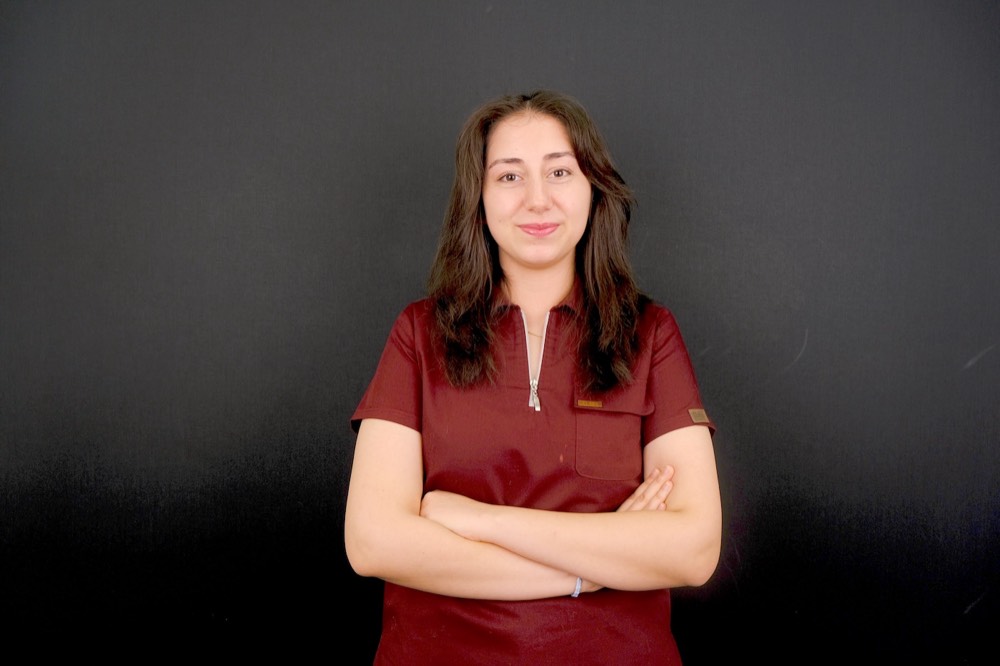
Beyzanur Şaşmaz
Dentist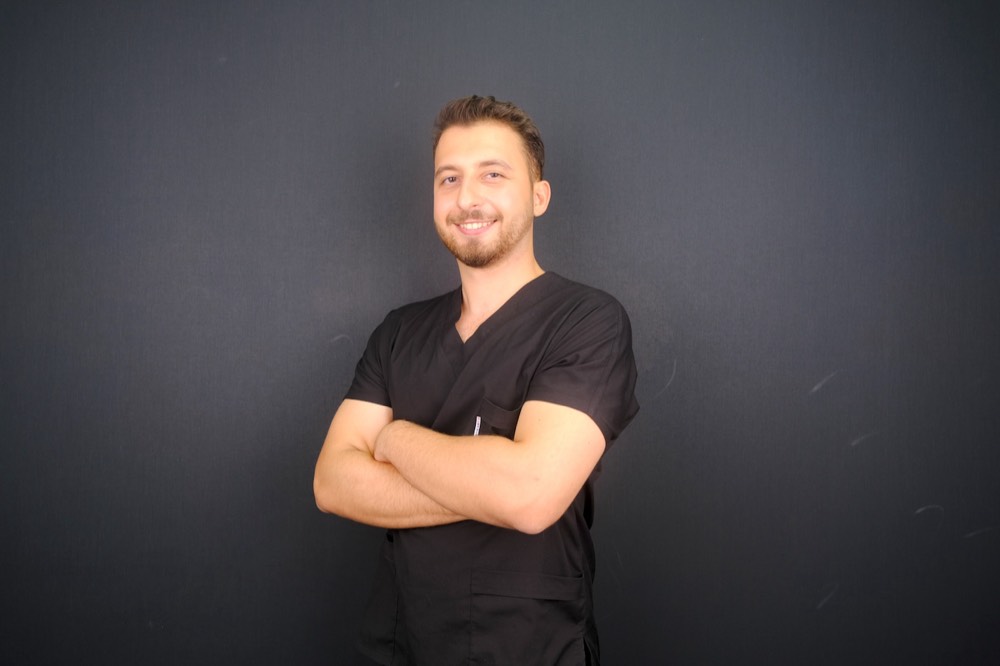
Hasan Köken
DentistFrequently Asked Questions
Endodontics is the branch of dentistry that deals with diseases of the dental pulp and the tissues around the root. Root canal treatment is one of its most common procedures.
It assesses pulp inflammation, loss of pulp vitality, dental trauma and problems around the root. Where necessary, root canal treatment or root canal retreatment is planned.
Filling the root canals is the core stage of root canal treatment. A temporary or permanent filling may be placed in the upper part of the tooth; some teeth may need a crown.
Treatment can be completed in one or several visits. Appointments can take roughly 60–120 minutes, depending on the number of canals and the complexity of the case.
The procedure is usually carried out under local anesthesia. You may feel pressure during treatment, and mild sensitivity can last for a few days afterwards.
An endodontist is a Specialist Dentist who has completed specialist training in endodontics after dental school. Dentists can also carry out root canal treatment; difficult cases may need a specialist assessment.
The official website of Bursa Oral and Dental Health Training and Research Hospital lists an Endodontics Clinic. As staff, appointment and referral conditions can change, current details should be checked through MHRS and the hospital's official website.
We went on a recommendation to see Mustafa and we were very pleased. My nephews see the children's dentist there and they were not afraid of the dentist at all. All the dentists and staff are friendly and helpful.
Ali Kıran
The content on this page is published for informational purposes only. It does not constitute a curative health service. For diagnosis and treatment, please consult your dentist.