
Clear aligner treatment is an orthodontic method that moves the teeth gradually using custom-made, removable and almost invisible aligners. Invisalign is one of the brands used within this method. Treatment is planned with a digital scan, and the aligners are changed at set intervals to move the teeth toward the target position.
Clear aligner treatment is available at our clinic in Yıldırım, Bursa, Turkey. Whether the method suits you is assessed by your dentist after an intraoral examination and digital planning. This page is informational content prepared to help you with that decision.
What Is Clear Aligner Treatment?
Clear aligners are trays made of a thin, flexible medical plastic that fit closely over the teeth. Each aligner is designed to move the teeth a very small amount further than the previous one. The aligners are usually changed in sequence every 1–2 weeks, and the total number is determined by the case.
The method is also popularly known as “invisible braces” or “clear braces”. Technically, however, it is not braces; there are no brackets or archwires. That is why it has different usage rules and limits from fixed braces.
The Difference Between Invisalign and Clear Aligners
“Clear aligner” is the general name of the treatment method. Invisalign is one of the clear aligner brands, developed by Align Technology. Aligner systems from other manufacturers are also available.
Brands can differ in aligner material, planning software, production time and the auxiliary components used (attachments, elastic hooks). Which system is used is determined by the needs of the case and your dentist's clinical preference. The outcome of treatment depends less on the brand than on correct case selection, planning and how consistently the patient wears the aligners.
Who Is It Suitable For, and Who Is It Not?
Clear aligner treatment is usually considered in the following situations:
- Mild to moderate crowding
- Gaps between the teeth (diastema)
- Mild anterior crossbite or deep bite problems
- Adults who have had braces before and whose teeth have shifted again
- Teenagers whose permanent teeth have all come through
In some situations, on the other hand, fixed braces can give a more predictable result. Examples include significant skeletal jaw discrepancies, cases requiring large amounts of tooth rotation, some vertical tooth movements and guiding impacted teeth into place. Scientific reviews report that clear aligners are effective particularly in mild and moderate cases, while control can remain limited for complex movements.
In people who expect to wear the aligners for less than 20 hours a day, treatment may take longer or may not achieve the intended result. Compliance is therefore an important criterion in case selection.
The Treatment Process Step by Step
- Examination and assessment: the teeth, gums and jaw relationships are examined, and a panoramic radiograph is taken if needed. Any decay or gum problems are treated first.
- Digital scan: a three-dimensional image of the teeth is taken with an intraoral scanner. Conventional impression material is usually not needed.
- Digital planning: the software is used to plan in which order and how far the teeth will move. You can see a simulation of the expected result.
- Making the aligners: the series of aligners is produced according to the approved plan. If needed, small tooth-colored attachments are bonded to the teeth to help the aligners grip.
- Changing aligners and check-ups: the aligners are changed at the intervals your dentist sets. Check-ups are usually every 6–10 weeks.
- Retention: once active treatment ends, a retainer or a fixed thin wire behind the teeth is used to hold the teeth in position.
Clear Aligners or Braces?
Both methods apply controlled force to move the teeth. The differences lie in how they are worn and in the types of case they suit.
| Criterion | Clear Aligners | Fixed Braces |
|---|---|---|
| Visibility | Almost unnoticeable | Metal or ceramic brackets are visible |
| Removability | Taken out for eating and brushing | Fixed, cannot be removed |
| Oral hygiene | Brushing and flossing as usual | Cleaning around brackets is harder |
| Compliance needed | Must be worn 20–22 hours a day | Largely independent of patient compliance |
| Suitable cases | Mild to moderate problems | A wide range, from mild to complex |
| Dietary limits | None, as the aligner is removed | Limits on hard and sticky foods |
| Urgent problems | Losing or breaking an aligner | A bracket coming off, a wire digging in |
Which method suits you is decided by assessing the current position of your teeth, your jaw relationship and your daily habits together. In some cases the two methods can also be planned in combination.
Daily Use and Care
- Wear the aligners 20–22 hours a day; take them out only for food, drinks and cleaning your teeth.
- Do not drink anything but water while the aligners are in. Sugary and acidic drinks pool under the aligner and increase the risk of decay.
- Brush your teeth after every meal and put the aligners back in. If brushing is not possible, at least rinse your mouth with water.
- Clean the aligners with lukewarm water and a soft brush. Hot water can distort their shape.
- Do not wrap aligners you have taken out in a napkin; keep them in their case. That is how most of them get lost.
- If you lose an aligner, tell your dentist; in most cases the process is kept on track by moving to the previous or the next aligner.
Treatment Time
The treatment time depends on the complexity of the case, the number of aligners and how consistently they are worn. Mild crowding can be corrected within a few months, while extensive cases can take 18 months or more. As we often see at the clinic, the most common reason treatment runs long is that the aligners are not worn long enough. An estimated timeline is shared at the digital planning stage and updated at check-ups according to actual progress.
Possible Difficulties and Side Effects
Clear aligner treatment is generally well tolerated. Even so, some temporary effects can occur:
- A feeling of pressure and mild sensitivity in the teeth for the first 1–3 days after switching to a new aligner
- A slight lisp in the first few days
- Irritation of the tongue or cheek by the aligner edges (your dentist can smooth the edges)
- Increased saliva or a dry mouth
- Mild staining around the attachments, which regular cleaning can reduce
If you have severe pain, gum swelling or an aligner that does not seat properly, we recommend contacting the clinic without waiting for your next check-up.
Clear Aligner Treatment in Bursa
At our clinic, clear aligner treatment runs through examination, intraoral digital scanning and planning stages. Suitability is assessed by our dentists, and check-ups throughout treatment continue at the same clinic. The fee varies with the number of aligners and the complexity of the case; the final amount is set after examination and digital planning.
To find out whether clear aligner treatment is suitable for you, you can book an appointment and put your questions to your dentist during the examination.
Sources
- American Association of Orthodontists – Aligners
- American Association of Orthodontists – Braces vs. Clear Aligners
- NHS – Orthodontics
- American Dental Association (MouthHealthy) – Braces and Aligners
- Rossini G. et al. Efficacy of clear aligners in controlling orthodontic tooth movement: a systematic review. Angle Orthod, 2015
- Papadimitriou A. et al. Clinical effectiveness of Invisalign orthodontic treatment: a systematic review. Prog Orthod, 2018
Our Clear Aligner Dentists

Mehmet Fatih Sever
Dentist
Muhammed Ali Kurmuş
Dentist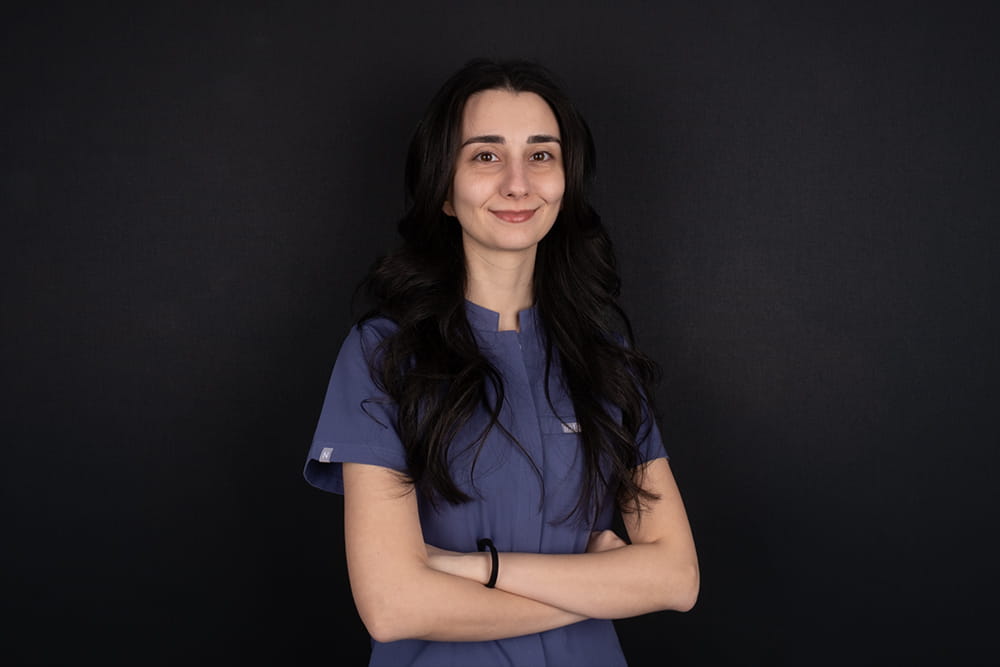
İremnur Yıldız
Dentist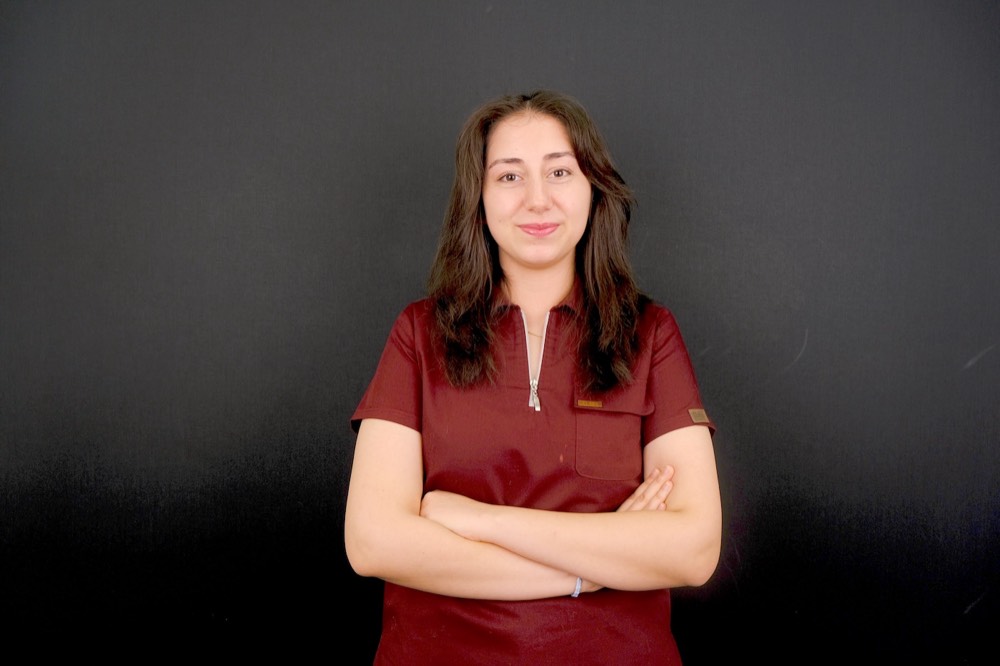
Beyzanur Şaşmaz
Dentist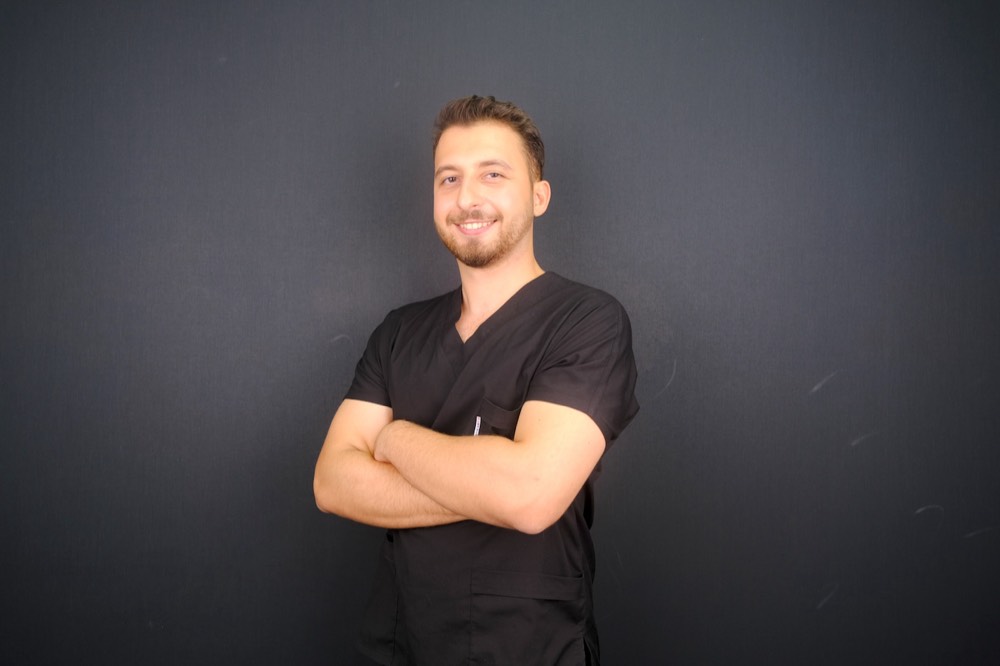
Hasan Köken
DentistFrequently Asked Questions
The time depends on how complex the case is. Mild crowding can be corrected in a few months, while extensive cases can take a year and a half or more. A precise timeline is given after digital planning.
No. “Clear aligner” is the name of the treatment method; Invisalign is one of the brands used within that method. Aligner material and planning software can differ between brands.
The aim is to keep the aligners in for about 20–22 hours a day. They are removed only for eating and brushing. Wearing them less extends the treatment time.
No. For significant skeletal bite problems, cases needing marked tooth rotation and some vertical movements, fixed braces may be more predictable. Suitability is determined by examination.
A slight lisp can occur in the first few days. As the tongue adapts to the aligners, this usually disappears within a few days.
Once active treatment is over, a retainer is used so the teeth do not drift back to their former positions. Your dentist decides how long and how often it should be worn.
The fee depends on the number of aligners, the complexity of the case and the system used; the final amount is set after examination and digital planning. For general ranges, see our article on clear aligner prices.
The content on this page is published for informational purposes only. It does not constitute a curative health service. For diagnosis and treatment, please consult your dentist.