
Antibiotics for teeth may be prescribed when a bacterial infection has spread or is causing general health symptoms. Not every toothache, swelling or cavity calls for antibiotics. A dentist decides which medicine to use after an examination.
An antibiotic alone does not remove the decay or the damaged tooth tissue that is the source of the infection. Most cases require procedures such as root canal treatment, draining an abscess, gum treatment or extraction. That is why a dental assessment comes first, rather than taking medicine without a prescription.
What Are the Symptoms of a Tooth Infection?
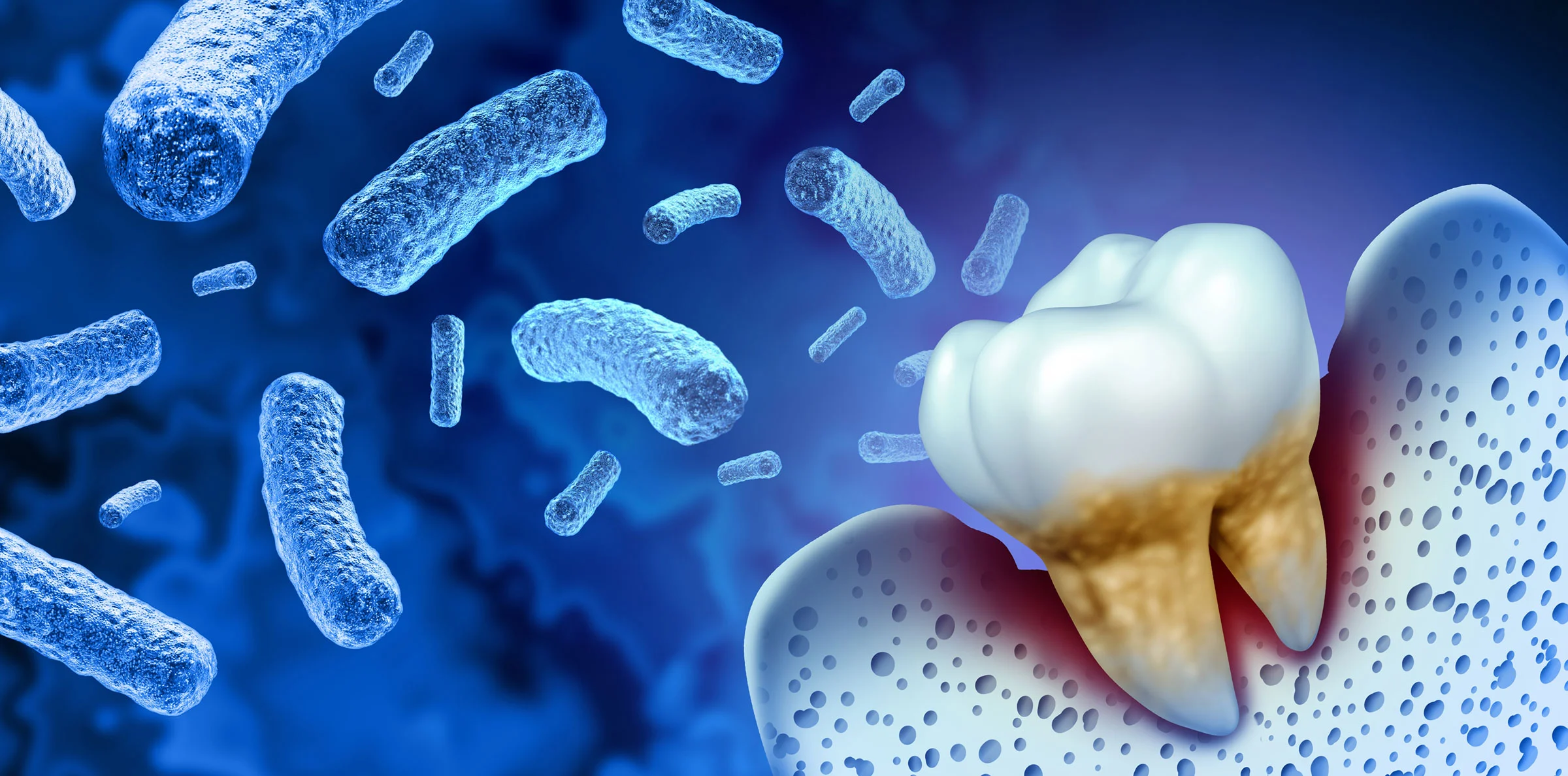
A tooth infection can develop in the pulp tissue inside the tooth, at the root tip or in the gums. Symptoms vary with the area involved and how far the infection has spread.
- Throbbing or constant tooth pain
- Sensitivity when biting and chewing
- Swelling in the gum, face or jaw
- A bad taste in the mouth or pus discharge
- Sensitivity to hot and cold
- Difficulty opening the mouth or chewing
- Tenderness in the lymph nodes of the neck
- Fever, fatigue or feeling generally unwell
A tooth abscess may not heal on its own. Even if the pain eases for a while, the focus of infection can remain in the tissues. Delaying the examination can allow the infection to spread to nearby areas.
What Causes a Tooth Infection?
Tooth infections usually start when bacteria reach the inner tissues of the tooth or the area under the gum. Bacteria can travel through openings created by decay, cracks or trauma.
- Untreated deep tooth decay
- Broken, cracked or injured teeth
- Advanced gum disease
- Impacted or partially erupted wisdom teeth
- Leakage developing under an old filling or crown
- Reinfection of a tooth that was treated before
Poorly controlled diabetes or conditions that affect the immune system can change the course of an infection. Current medicines and previous treatments also matter in the assessment.
When Are Antibiotics Used for a Tooth Infection?
Current practice treats dental treatment as the priority in most cases of limited tooth pain. In a person with a normal immune system, pain alone is not a reason for antibiotics.
A dentist may consider antibiotic treatment in the following situations:
- The infection has spread to the tissues of the face, jaw or neck
- Fever, fatigue or a general decline in health develops
- There is widespread swelling or signs of cellulitis
- The lymph nodes are affected
- The abscess cannot be drained immediately and there is a risk of progression
- There is a specific health condition that affects the immune system
Localized pain, irreversible pulp inflammation and many root-tip problems need dental treatment rather than antibiotics. One problem we see often in our clinic is that the underlying treatment is postponed once the pain eases.
Which Antibiotic Helps a Tooth Infection?

There is no single antibiotic that can be used for every tooth infection. The choice is made by considering the site of the infection, how far it has spread, and the patient's age, allergies and other conditions.
Medicines used previously, pregnancy, breastfeeding and kidney or liver disease can also affect the choice. For that reason, starting treatment based on antibiotic names found online is not safe.
The antibiotic groups below can only be used with a prescription. The table does not contain a personal medicine, active ingredient or dose recommendation.
| Antibiotic Group | General Area of Consideration | Points to Watch |
|---|---|---|
| Penicillin group | May be considered in some dental infections where an antibiotic is needed. | Penicillin allergy and previous reactions are always asked about. |
| Penicillin combinations with a beta-lactamase inhibitor | May be considered in selected situations where broader bacterial coverage is judged necessary. | Not needed for every toothache. Digestive side effects can occur. |
| Nitroimidazole group | May be considered alone or as an add-on in some infections where anaerobic bacteria play a role. | Drug interactions and the patient's medical history are reviewed. |
| Macrolide group | Can be an alternative with certain allergy histories or in special clinical conditions. | Resistance patterns and interactions with other medicines matter. |
| Cephalosporin group | Can be used in some bacterial infections depending on the examination findings. | The type of penicillin allergy must be assessed in detail. |
| Lincosamide group | A group that may be considered as an alternative in selected cases. | Because of serious bowel side effects, the balance of benefit and risk is weighed. |
An antibiotic with a broader spectrum is not automatically more suitable for every patient. Unnecessary broad-spectrum use can increase the risk of side effects and resistance.
Why Are the Antibiotic Name and Milligram Strength Not Enough?
The milligram figure on the box only shows the amount of active ingredient in a particular form of the medicine. A higher number does not mean the medicine is right for a tooth infection.
The dosing interval and the length of treatment can vary with age, body size, kidney function and the state of the infection. How to take the medicine should be explained by the prescriber or the pharmacist.
Medicine prescribed for someone else should not be used. Starting leftover antibiotics from an earlier course, or changing the prescription yourself, is also not appropriate.
Do Antibiotics Relieve Toothache?
An antibiotic is not a painkiller. If the pain is caused by decay, a crack, a high filling, teeth clenching or pulp damage, an antibiotic does not provide direct relief.
If there is a bacterial infection, treatment can help bring the infection under control. However, lasting relief of the pain requires dental treatment aimed at the source.
The phrase "pill that dries up the infection" is medically misleading. In appropriate cases an antibiotic acts on bacteria. Draining collected pus and clearing the source of infection may also be necessary.
What Is the Main Treatment for a Tooth Abscess?
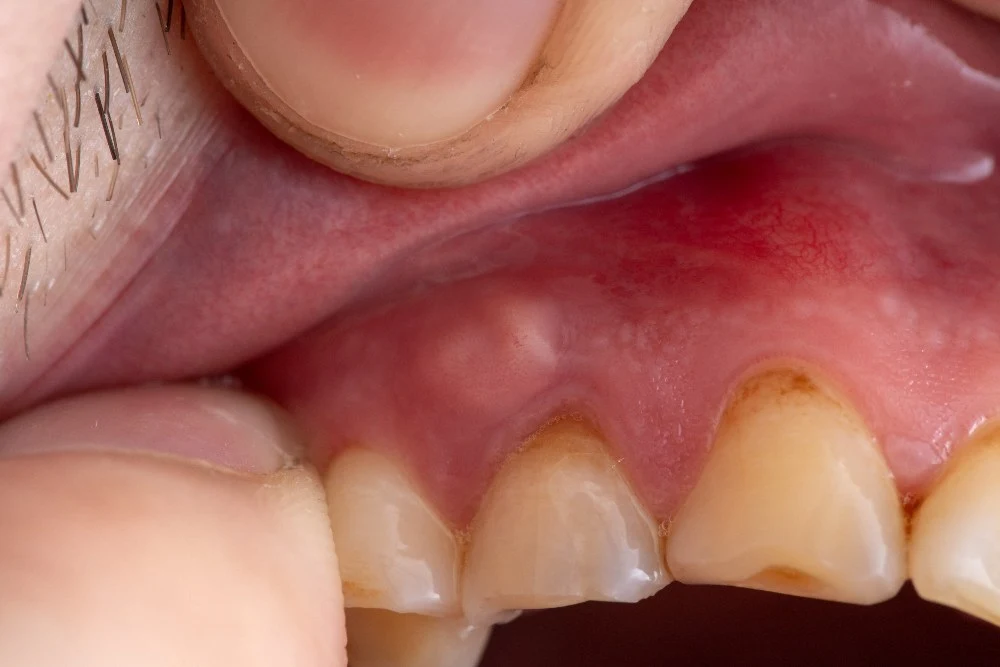
In a tooth abscess, the aim of treatment is to remove the source of infection and allow the collected pus to drain. The procedure chosen depends on whether the tooth can be saved.
- Root canal treatment: the infected pulp tissue is cleaned and the root canals are filled.
- Drainage: in suitable cases the abscess is drained.
- Tooth extraction: in teeth that cannot be preserved, the source of infection is removed.
- Gum treatment: infections arising from the gum or a periodontal pocket are cleaned.
Being prescribed an antibiotic does not remove the need for these procedures. Even if the swelling goes down, the planned check-up and treatment should continue.
How Many Hours Does It Take for an Antibiotic to Work?
No exact number of hours applies to everyone for when an antibiotic brings clear relief. The spread of the infection, whether drainage has been achieved and the active ingredient chosen all affect the outcome.
The effect on bacteria can begin after the medicine is taken. Even so, a reduction in pain and swelling may be noticed later. Ongoing symptoms do not mean you should increase the dose on your own.
Keep to the follow-up appointment set by your dentist. If the swelling grows, a fever develops or your general condition worsens, do not wait for that appointment.
What Are the Side Effects of Dental Antibiotics?
Side effects vary with the active ingredient used and the person's health. Common problems include nausea, abdominal discomfort and diarrhea.
- Nausea, vomiting or indigestion
- Diarrhea and changes in bowel habits
- Skin rash or itching
- Fungal growth in the mouth
- Interactions with other medicines
Shortness of breath, tightness in the throat and swelling of the face or tongue can point to a serious allergic reaction. In that situation, seek emergency medical care.
A course of antibiotics should not be shortened, extended or changed without your clinician's knowledge. If an unexpected side effect occurs, contact the clinician who wrote the prescription.
When Should You Seek Emergency Care?
Some tooth infections can affect the airway or the area around the eye. With the following symptoms, go to an emergency department without delay:
- Difficulty breathing, speaking or swallowing
- Rapidly growing swelling in the mouth or neck
- Swelling, pain or vision changes affecting the eye
- Marked inability to open the mouth
- High fever, altered consciousness or severe weakness
What Can You Do at Home Until Your Appointment?
Home measures do not treat the source of infection. The aim is to avoid irritating the area and to keep the mouth clean until the dental examination.
- Clean your teeth gently with a soft brush.
- Avoid very hot, very cold and hard foods.
- Chew on the pain-free side where possible.
- Do not squeeze or pierce the abscessed area, and do not place chemicals on it.
- For pain control, ask your dentist or pharmacist which option suits your medical history.
Placing substances such as garlic, cologne or crushed tablets on the gum can damage the tissue. There is not enough evidence that these methods clear an infection.
Why Does Antibiotic Resistance Matter?
Antibiotic resistance occurs when bacteria stop responding to the medicines used. Unnecessary and incorrect use can make it easier for resistant bacteria to be selected.
Using antibiotics only with a prescription matters for both personal and public health. Not sharing a prescription and not changing how you take the medicine are part of the same approach.
How Can Tooth Infections Be Prevented?
- Brush your teeth twice a day with fluoride toothpaste.
- Clean between your teeth every day with dental floss or an interdental brush.
- Do not postpone decay, a broken filling or bleeding gums.
- Limit how often you consume sugary foods and drinks.
- Attend check-ups at the intervals your dentist recommends.
Decay and gum problems treated early can reduce the risk of infection reaching the deeper tissues.
Frequently Asked Questions
Are antibiotics needed for every toothache?
No. Many sources of pain, such as decay, a crack or pulp inflammation, require dental treatment directly. The decision about antibiotics is based on examination findings.
Can a tooth abscess clear up with antibiotics alone?
In suitable cases antibiotics can help control the spread of infection. However, an abscess usually needs a procedure aimed at the source, such as drainage, root canal treatment or extraction.
How many hours does a dental antibiotic take to work?
There is no exact time that applies to everyone. How symptoms change depends on the spread of the infection and the dental treatment carried out.
Which antibiotic is used for a tooth infection?
The penicillin group and other antibiotic groups may be considered in selected situations. The choice should be made only with a prescription and according to the patient's medical history.
Does an "infection-drying" pill cure a tooth abscess?
"Infection-drying pill" is not a medical drug class. A tooth abscess requires the source of infection to be cleared and, if needed, the abscess to be drained.
Can leftover antibiotics from an earlier prescription be used?
No. Two tooth infections that look similar can require different treatments. Leftover antibiotics, or those prescribed for another person, should not be used.
What should you do if swelling increases while taking antibiotics?
Contact the dentist who wrote the prescription without delay. If there is difficulty breathing or swallowing, swelling around the eye or rapidly growing facial swelling, seek emergency care.