
A cold compress, a warm salt water rinse and a soft diet can help a toothache for a while. Suitable painkillers may also give short-term relief. However, these measures do not remove the underlying cause, such as decay, a crack or infection.
If the pain is severe, lasts more than two days or comes with swelling, a dental assessment is needed. Seek emergency help if you have difficulty breathing or swallowing.
What Is a Toothache and What Are Its Symptoms?
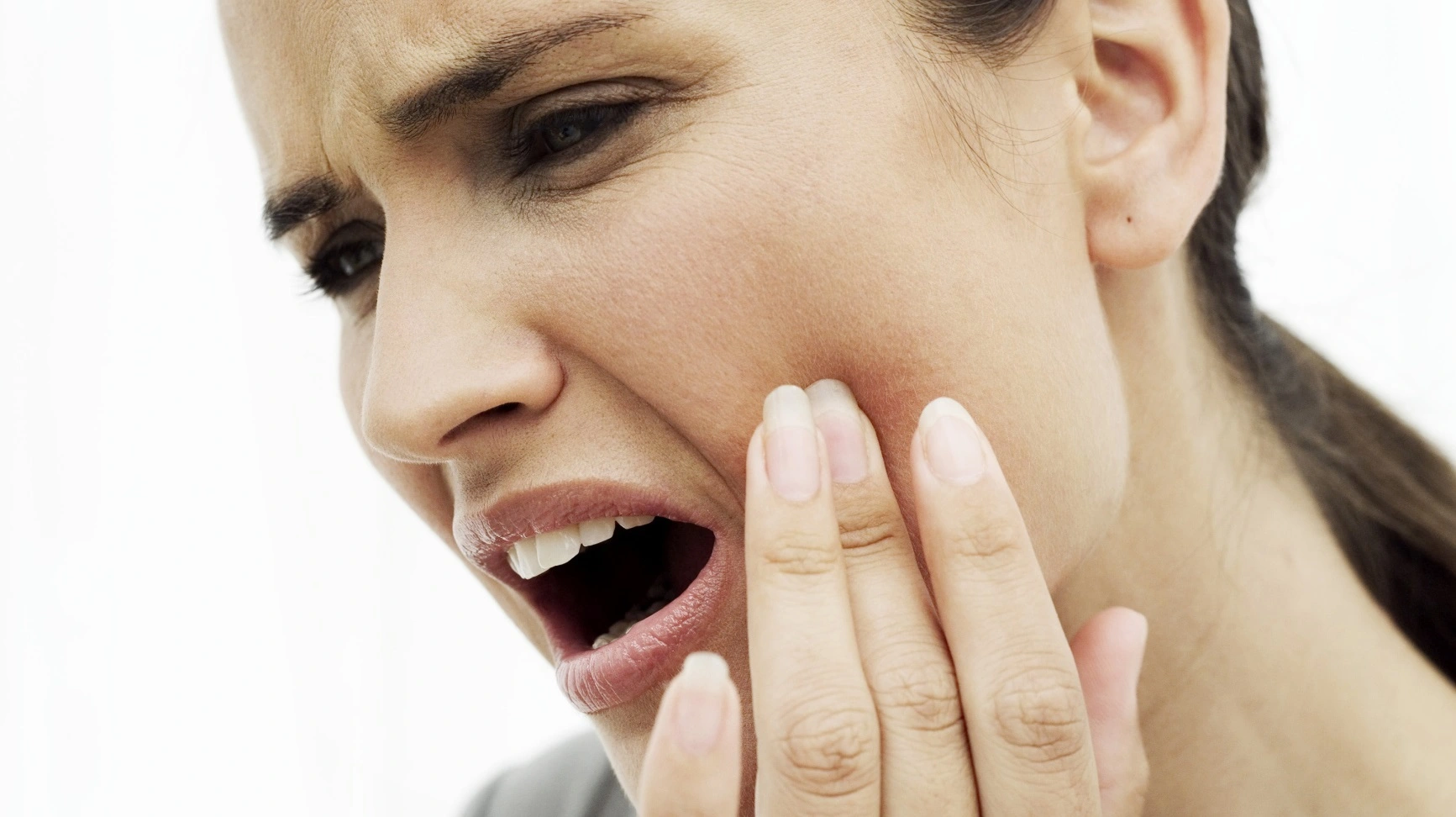
A toothache is pain coming from the nerve tissue inside a tooth or from the structures around it. The pain may be felt in a single tooth, or it may spread to the jaw, ear or face.
The character of the pain can give a clue about the possible cause. Even so, a diagnosis cannot be made from the symptom alone.
- Sensitivity triggered by hot, cold or sweet foods
- Throbbing pain that appears on its own
- Aching while biting or chewing
- Swelling of the gum, cheek or jaw
- A bad taste or bad odor in the mouth
- Pain that increases at night and wakes you from sleep
- A fracture, crack, color change or mobility in the tooth
What Causes a Toothache?
Decay is one of the most common causes of toothache. As decay deepens, the nerve tissue of the tooth can be affected. Gum disease, trauma and a clenching habit can also cause pain.
| Possible Cause | Common Clue | Approach That May Be Needed |
|---|---|---|
| Tooth decay | Sensitivity to sweet, hot or cold | A filling or, depending on the depth of the decay, other treatments |
| Inflammation of the tooth nerve | Throbbing that starts on its own and worsens at night | Root canal treatment or another procedure suited to the tooth |
| Tooth abscess | Swelling, pain on biting, a bad taste and sometimes fever | Removing the source of infection and, where needed, prescribed medication |
| Cracked or broken tooth | Sharp pain while chewing | Assessment for a filling, crown, root canal treatment or extraction |
| Gum disease | Bleeding, redness, swelling or a loose tooth | Teeth cleaning (scaling) and periodontal treatment |
| Impacted or erupting wisdom tooth | Pain at the back, swelling and difficulty opening the mouth | Monitoring or surgical assessment after examination and imaging |
| Teeth clenching and grinding | Morning jaw fatigue, widespread sensitivity | Protective and corrective approaches based on the cause of the habit |
Some conditions, such as sinusitis, can create a sensation of pain especially in the upper jaw teeth. That is why the source of the pain is identified with an examination and, when needed, imaging.
What Helps a Toothache?

The aim of home measures is to control the pain until an examination. Even if the pain eases, the underlying problem can continue.
| Temporary Measure | What It May Provide | What to Watch For |
|---|---|---|
| Cold compress | May reduce swelling and throbbing | Do not put ice directly on the skin |
| Warm salt water | May help clear debris from the mouth | Do not swallow; do not use in young children |
| Soft diet | May reduce pressure on the painful tooth | Avoid very hot, cold and sugary foods |
| A suitable painkiller | May give short-term pain control | Needs an assessment based on your personal health |
| Desensitizing toothpaste | May reduce sensitivity from exposed dentin | Does not treat decay or an abscess |
Which Painkiller Helps a Toothache?
There is no single painkiller that suits everyone with toothache. In acute dental pain, NSAIDs (non-steroidal anti-inflammatory drugs) may be considered among the first options in suitable people. If that group is not suitable, the dentist may consider a different class of painkiller.
The choice depends on age, pregnancy, ulcers, kidney or liver disease and other medications being used. Painkillers should be used on a dentist's advice and, when required, on prescription. Different products containing the same active ingredient should not be taken together.
Do not place painkiller tablets on the painful tooth or gum. Doing so can cause irritation and a chemical burn of the mucosa.
Is Rinsing With Warm Salt Water Helpful?
You can add about half a teaspoon of salt to a glass of warm water and rinse your mouth gently. Do not swallow the mixture. This method can help clear debris, but it does not treat an infection.
It should not be used in children who cannot spit the salt water out safely.
How Should a Cold Compress Be Applied?
A cold compress can be applied from the outside, especially if there is trauma or swelling of the cheek. Wrap the ice in a thin towel and do not let it touch the skin directly.
Do not put ice on the painful tooth. Very hot applications can also increase sensitivity and the feeling of throbbing.
Does Tea Help a Toothache?
There is not enough evidence that tea treats tooth decay, nerve inflammation or an abscess. Warm, unsweetened tea may feel soothing for some people. Hot tea, however, can increase pain in sensitive teeth.
Placing a tea bag on the gum has no proven lasting benefit. A hot bag can irritate or burn the tissue in the mouth.
Does Tea Tree Oil Help a Toothache?
There is not enough clinical evidence that tea tree oil relieves toothache at home. The oil should not be taken by mouth, and homemade mixtures should not be used as a rinse. Swallowing it can cause toxic effects, and concentrated use can cause irritation.
Ready-made oral care products with standardized contents are different from pure essential oil. Even so, you should ask a dentist before using any product to treat pain.
Does Clove Oil Help a Toothache?
The eugenol in clove oil can create a temporary numbing sensation. However, the concentration of products used at home is not standardized. Concentrated or repeated contact can cause irritation and tissue damage in the gum.
Dripping clove oil directly onto a tooth or gum is not considered a safe treatment. It should not be used in children, and no essential oil should be swallowed.
Does Toothpaste Help a Toothache?
Toothpastes made for sensitivity can reduce pain from exposed dentin surfaces when used regularly. The effect is usually not immediate. Fluoride toothpaste helps prevent decay and limit early enamel loss.
Toothpaste does not heal deep decay, a crack or an abscess. Packing toothpaste into a cavity also does not remove the source of the problem.
Does Black Pepper Help a Toothache?
There is not enough scientific evidence that black pepper relieves toothache safely and effectively. Rubbing ground pepper on the gum can cause burning and irritation.
Can You Use Dental Floss?
If the pain started after food became stuck between the teeth, the area can be cleaned gently. Do not press the floss into the gum. Stop if pain or bleeding increases.
What Should You Do With a Sudden Toothache?
With a toothache that starts suddenly, first rinse your mouth with warm water. If you can see food debris, clear the area without forcing it.
- Do not chew hard foods on the painful side.
- Avoid very hot, very cold, acidic and sugary foods.
- If there is swelling, apply a cold compress to the outside of the cheek.
- Ask a health professional which painkiller is suitable for you.
- Plan a dental examination as soon as possible.
Do not squeeze or try to pierce a swelling. Do not rub medication, cologne, alcohol, garlic or concentrated essential oils on the tooth.
One situation we see often in our clinic is an examination being postponed once the pain eases. Pain stopping for a while does not necessarily mean the problem in the tooth has healed.
When Should You See a Dentist?
If a toothache lasts more than two days, assessment should not be delayed. Pain that continues despite painkillers or wakes you at night also needs an examination.
- Swelling of the face, cheek or jaw
- Fever or a marked decline in general condition
- Severe pain while biting
- A bad taste, discharge or a sign of infection in the mouth
- Marked limitation in opening the mouth
- Dental trauma, a fracture or bleeding you cannot control
- A disease or treatment that affects the immune system
Swelling that spreads around the eye or to the neck requires emergency assessment. If difficulty breathing, swallowing or speaking develops, call 112, the emergency number in Turkey.
How Is a Toothache Treated?
Lasting relief from a toothache depends on the dental procedure that addresses its cause. During the examination, the teeth, gums and bite are assessed. Imaging such as an X-ray is used when needed.
- Decayed tissue can be removed and a filling placed.
- If the nerve tissue is affected, root canal treatment can be considered.
- A broken or worn tooth can be protected with a suitable restoration.
- For gum disease, professional cleaning and periodontal treatment can be carried out.
- If there is an abscess, drainage or a dental procedure aimed at the source of infection may be needed.
- Extraction can be considered for teeth that cannot be saved or that keep causing problems.
Do Antibiotics Cure a Toothache?
Antibiotics are not painkillers and are not used for every toothache. Pain caused by decay or inflammation of the tooth nerve usually needs a dental procedure.
If there is fever, a decline in general condition or signs of spreading infection, the dentist may consider antibiotics. They should only be used on prescription. Leftover medicines at home or prescriptions written for someone else should not be used.
How Is Toothache Relieved in Children?

Toothache in children can come from decay, teething, trauma, a lost filling or a gum infection. In babies, teething discomfort should be distinguished from pain caused by decay.
- Check the child's mouth and teeth in good light.
- Clean the teeth with a soft brush and age-appropriate fluoride toothpaste.
- If the cheek is swollen, apply a cold compress from the outside.
- Limit hard, very hot, very cold and sugary foods.
- Do not give the child medicine prepared for adults.
- Get professional advice on the choice and amount of any painkiller.
If the child's cheek is swollen, there is fever or the pain affects sleep, a pediatric dentistry assessment should not be delayed. In dental trauma, keep the broken fragment and see a dentist quickly.
How Can a Toothache Be Prevented?
Not every cause of toothache can be prevented. Regular oral care, however, helps reduce the risk of decay and gum disease.
- Brush your teeth twice a day with fluoride toothpaste.
- Clean between your teeth every day with a suitable interdental product.
- Reduce how often you have sugary foods and drinks.
- Do not use your teeth to open packages or crack hard objects.
- Do not put off signs of teeth clenching, sensitivity or a broken filling.
- Agree your check-up interval with your dentist based on your oral health.
Frequently Asked Questions
What helps a toothache at home?
Rinsing with warm salt water, a cold compress on the outside and a soft diet can bring temporary relief. These measures do not treat the cause of the pain.
Which painkiller helps a toothache?
NSAIDs may be considered in suitable people. Because the choice depends on your medical conditions and medications, a dentist's advice is needed.
Does hot tea help a toothache?
Hot tea can increase sensitivity and throbbing. Warm, unsweetened tea may feel soothing, but it does not treat causes such as decay or infection.
Can tea tree oil be used for toothache?
Using pure tea tree oil in the mouth or as a rinse is not advised. Swallowing it can cause toxic effects, and concentrated contact can cause irritation.
Does toothpaste cure a toothache?
Desensitizing toothpaste can reduce pain from exposed dentin with regular use. It does not treat pain caused by decay, a crack or an abscess.
Do antibiotics stop a toothache?
Antibiotics are not painkillers and are not needed for most toothaches. They can be used only on prescription, for findings such as spreading infection or fever.
When should you go to the emergency room with a toothache?
Seek emergency help if there is swelling around the eye or in the neck, or difficulty breathing, swallowing or speaking. Rapidly spreading facial swelling should also not be delayed.