
A tooth abscess is a collection of pus caused by bacterial infection inside a tooth, at the root tip or in the gum. It usually begins with untreated decay, a cracked tooth or gum disease. It can cause throbbing, swelling and a bad taste. Sometimes it progresses without obvious pain.
A tooth abscess cannot be cured permanently at home and usually does not heal on its own. Treatment clears the source of the infection and, where needed, drains the abscess. Root canal treatment, gum treatment or tooth extraction may be used. Antibiotics are used only when necessary, on a doctor's prescription.
What Is a Tooth Abscess?
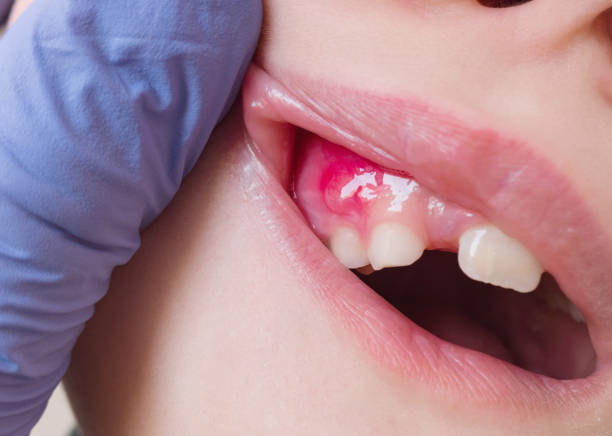
A tooth abscess develops when bacteria reach the pulp of the tooth or the tissues around it. Pus collects in the area as the body responds to the infection. Rising pressure in an enclosed space can cause severe, throbbing pain.
An abscess does not only form inside the tooth. It can develop at the tip of the root, in a gum pocket or in the surrounding soft tissues. Where the abscess sits directly affects the treatment used.
Pain easing does not mean the infection has gone. Pain can decrease when the tooth nerve loses its vitality or the abscess drains. Even so, the infection can continue in the tissues.
Why Does a Tooth Form an Abscess?
The main reason a tooth forms an abscess is that bacteria reach deep tissues that are normally sealed off. This usually happens through advanced decay or structural damage to the tooth.
- Deep tooth decay: When decay reaches the pulp, infection and an abscess can develop around the root.
- A cracked or fractured tooth: Bacteria can enter the tooth through cracks that are not visible to the eye.
- Gum disease: Deepening gum pockets can create conditions for an abscess to form around the tooth root.
- An impacted or partly erupted tooth: Food and bacteria can collect around wisdom teeth in particular.
- Dental trauma: The pulp of a tooth that has taken a blow can lose its vitality over time and become infected.
- Problems related to previous treatment: Leakage, new decay or problems around the root can lead to infection.
- Dry mouth and inadequate oral care: These can increase the risk of decay and gum disease.
- A suppressed immune system: The risk of infection progressing can increase with some systemic conditions or during certain treatments.
What Types of Tooth Abscess Are There?
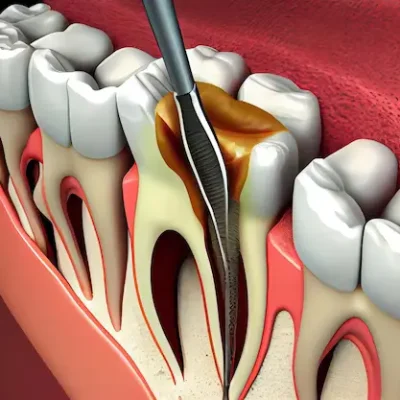
Tooth abscesses are classified by the area where the infection began. It is difficult for a patient to tell the type apart from the symptoms alone. A dental examination and, where needed, imaging are required for a definite distinction.
| Type of abscess | Where it starts | Common findings |
|---|---|---|
| Periapical abscess | The tip of the tooth root | Throbbing, pain on chewing, sensitivity to heat or cold |
| Periodontal abscess | The gum and the root surface | Gum swelling, bleeding, a bad taste and a loose tooth |
| Pericoronal infection | Around a partly erupted tooth | Swelling at the back, difficulty chewing and limited mouth opening |
What Is the Difference Between a Gum Abscess and a Tooth Abscess?
In everyday language, "tooth abscess" usually means an abscess at the root tip. The infection starts in the pulp inside the tooth and progresses to the root tip. Deep decay, a fracture or trauma are common causes.
A gum abscess usually develops in a gum pocket beside the root surface. Gum disease, bacteria collecting in the pocket or foreign material can be involved. Treatment is planned according to where the infection started.
What Are the Symptoms of a Tooth Abscess?
Symptoms vary with the location and spread of the infection. The most common complaint is throbbing pain that starts on its own and can increase at night.
- Constant, throbbing pain in a tooth or the gum
- Increased tenderness when biting or chewing
- Pain triggered by heat and cold
- A pimple-like bump on the gum
- Swelling of the face, cheek, jaw or gum
- A bad taste in the mouth and bad breath
- Tenderness of the lymph nodes under the jaw or in the neck
- Fever, tiredness or a general feeling of being unwell
- Difficulty opening the mouth or chewing
- Color change or looseness of the affected tooth
Can a Tooth Abscess Cause Headaches?
Pain from a tooth abscess can spread to the jaw, ear, temple region or head. This can feel like a headache. However, headaches have many different causes. The connection should be assessed with an oral and dental examination.
Can a Tooth Abscess Be Painless?
Yes, some abscesses can be painless. If the tooth nerve has lost its vitality, there may be no obvious pain. A small draining point on the gum can also reduce the pressure. A lack of pain does not mean the infection is harmless.
What Happens If a Tooth Abscess Bursts?

When a tooth abscess bursts on its own, a bad-tasting or foul-smelling fluid can come into the mouth. Pain can ease temporarily because the pressure drops. However, the source of the infection remains. Rinse your mouth gently without squeezing the area, and do not delay a dental assessment.
After an abscess bursts, the opening in the gum can drain for a while. If the opening closes, pressure and pus can build up again inside. That is why treatment is needed even if the symptoms ease.
What Should You Do If the Abscess Has Burst on Its Own?
- Spit the fluid out where possible rather than swallowing it.
- Rinse your mouth gently with warm water.
- Do not squeeze, pierce or try to cut the swelling.
- Clean the area carefully with a soft toothbrush.
- See a dentist as soon as possible.
One situation we often see at our clinic is people assuming the abscess has gone because the pain has eased. The relief after drainage can be temporary. The source of the infection still needs treatment.
When Should You Get Emergency Care?
If a tooth abscess is suspected, a dental assessment is needed promptly. Some signs can show that the infection has spread to surrounding tissues or is affecting the airway.
Seek emergency medical care if any of the following apply:
- Difficulty breathing, speaking or swallowing
- Rapidly growing swelling of the face, neck or floor of the mouth
- Swelling, pain or a change in vision around the eye
- Being clearly unable to open your mouth
- Increasing swelling with fever and marked weakness
- Redness or tenderness spreading down the neck
People with a condition or treatment that suppresses the immune system should be assessed sooner. Facial swelling in a child should also not be left to wait.
How Is a Tooth Abscess Diagnosed?
The dentist first assesses when the pain started, how long it lasts and what triggers it. The teeth, gums, face and tissues under the jaw are examined. Swelling, discharge and the state of the gum pockets are checked.
Tapping the tooth gently, chewing pressure and pulp vitality tests can help identify the source. A dental radiograph can show changes around the root and the level of bone support. If spread is suspected, more advanced imaging can be requested.
How Does a Tooth Abscess Resolve?
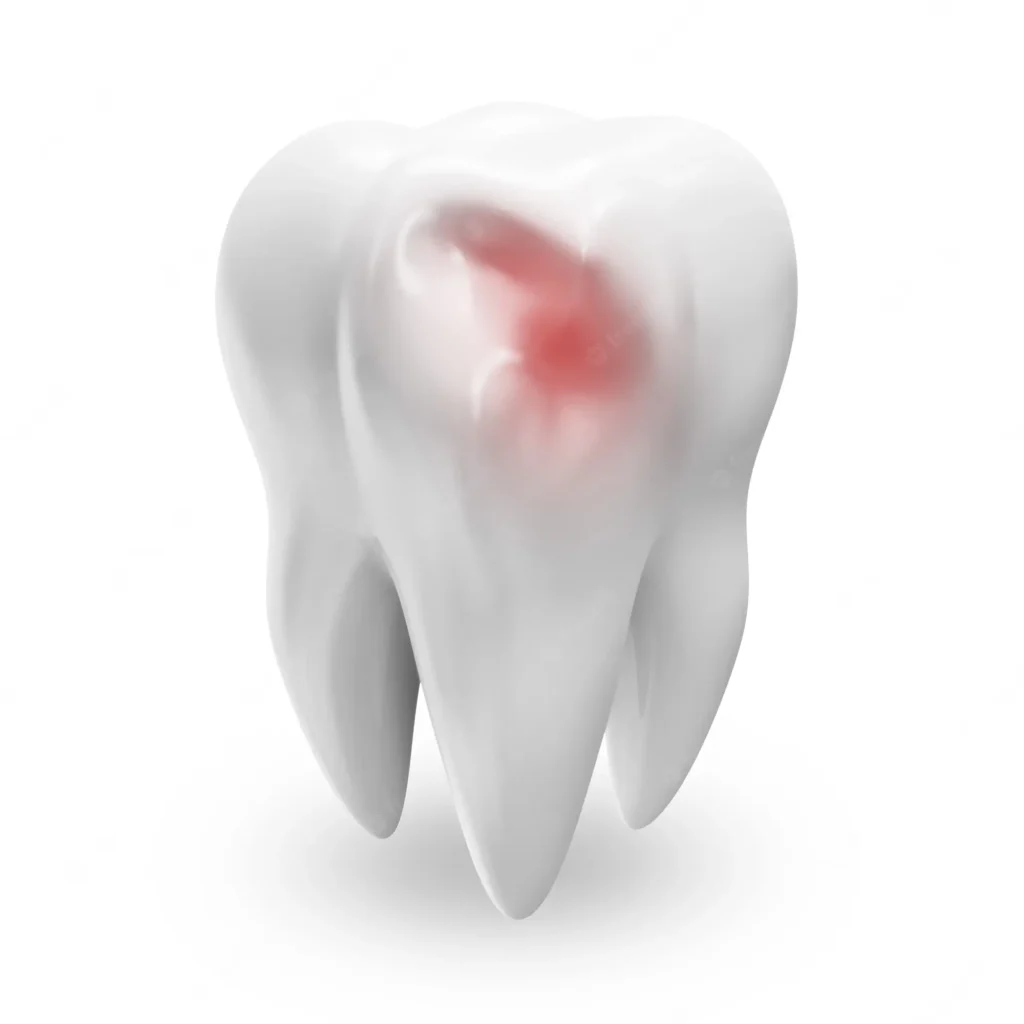
A tooth abscess resolves when the source of the infection is cleared by a dentist. The abscess can be drained, infected pulp can be removed with root canal treatment, or a tooth that cannot be saved can be extracted. For gum abscesses, periodontal cleaning is carried out. Antibiotics alone do not remove the underlying cause and are not needed for every abscess.
Draining the Abscess
In suitable cases, pus is drained through the tooth, through the gum pocket or through a small incision. Drainage can reduce pressure in the tissue. However, draining the abscess does not replace treating the real cause, such as decay or gum disease.
Root Canal Treatment
For root tip abscesses where the tooth can be restored, root canal treatment can be considered. The infected pulp is removed, the root canals are cleaned and sealed. The restoration that follows is planned according to the remaining tooth structure.
How Does a Gum Abscess Resolve?
With a gum abscess, the pus can be drained and the deposits in the gum pocket cleaned. Once the acute symptoms are under control, the underlying gum disease is assessed. If the necessary periodontal treatment is not carried out, the abscess may recur.
Tooth Extraction
Extraction can be considered for teeth that are badly damaged or cannot be adequately restored. The decision is made by assessing the structure of the tooth, the bone support and the state of the infection.
Use of Antibiotics
Antibiotics are not needed for every tooth abscess. With a local infection, the priority is to control the source with dental treatment. Antibiotics can be considered if there is fever, widespread swelling, spread to surrounding tissues or an immune problem.
Antibiotics should be used only on a doctor's prescription. Using leftover medicine at home, stopping treatment part way through or taking someone else's medication is not appropriate. The choice of drug is made according to the patient's health and the spread of the infection.
What Helps a Tooth Abscess at Home?
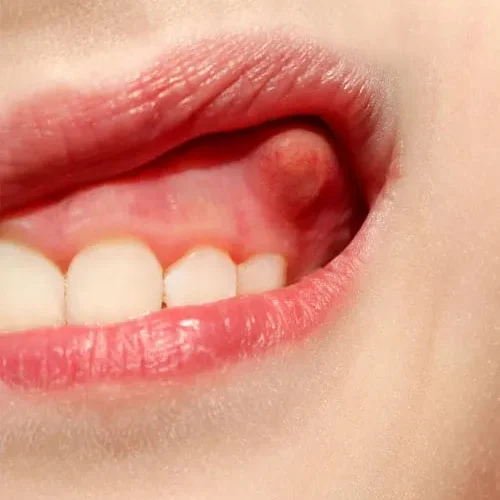
Methods used at home do not treat a tooth abscess. Gentle brushing, warm and soft foods and short cold applications on the outside of the cheek can reduce discomfort. Before taking a painkiller, ask a doctor or pharmacist which option suits your health.
- Clean your teeth gently with a soft-bristled brush.
- Avoid very hot, cold, hard or sugary foods.
- Chew on the side that does not hurt where possible.
- Gentle rinsing with warm salt water can give temporary relief.
- You can apply cold to the outside of the cheek for facial swelling.
- Do not postpone your dental appointment because the pain has eased.
Squeezing the swelling, piercing it with a needle or putting irritating substances on it can damage the tissue. Applying heat can increase the swelling. Medication should not be placed directly on the tooth or gum.
Can You Brush a Tooth With an Abscess?
You can brush a tooth with an abscess, and oral care should not be interrupted. Use a soft-bristled brush and do not press too hard on the swollen area. Do not force dental floss into a painful gum space.
How Can a Tooth Abscess Be Prevented?
Regular oral care reduces the risk of decay and gum disease. Even so, some causes such as cracks or trauma may not be preventable through daily care alone.
- Brush your teeth at least twice a day with fluoride toothpaste.
- Clean between your teeth every day with a suitable tool.
- Limit frequent sugar intake and sugary snacks between meals.
- Get an early assessment for broken or cracked teeth.
- Do not put off gum bleeding, decay or prolonged sensitivity.
- Have check-ups at the intervals your dentist recommends.
With a tooth abscess, an early assessment makes it easier to identify the source of the infection. Do not wait for it to pass at home, particularly if there is swelling, fever or difficulty opening your mouth.
Frequently Asked Questions
Does a tooth abscess go away on its own?
A tooth abscess usually does not go away on its own. Even if the pain eases or the abscess drains, the source of the infection needs to be assessed by a dentist.
What happens if a tooth abscess bursts?
A bad-tasting fluid can come into the mouth and the pain can ease because the pressure drops. This relief is temporary; see a dentist without squeezing the swelling.
Can you brush a tooth with an abscess?
Yes, it can be cleaned with a soft-bristled brush without pressing too hard. Stopping oral care altogether can increase bacterial plaque.
Can a tooth abscess cause headaches?
Pain from a tooth can spread to the temple, ear, jaw or head. Because a tooth abscess is not the only cause of headaches, an assessment is needed.
Is a painless tooth abscess dangerous?
A painless abscess still needs treatment. Even if the pain eases because the nerve has lost its vitality or the abscess has drained, the infection can continue.
How many days does a tooth abscess take to resolve?
The time depends on the source of the abscess, how far it has spread and the treatment used. Symptoms easing does not on its own show that the infection has cleared completely.
Is medication alone enough for a tooth abscess?
In most cases the source of the infection needs to be controlled with root canal treatment, drainage, periodontal treatment or extraction. Antibiotics are used on prescription only when considered necessary.
How does a gum abscess resolve?
A gum abscess can be drained by a dentist and the deposits in the gum pocket cleaned. The underlying gum disease also needs treatment to reduce the chance of recurrence.