
To ease broken tooth pain temporarily, rinse your mouth with lukewarm water and apply a cold compress to the outside of your cheek. Do not chew on the broken side, and avoid very hot or very cold foods. Keep any piece that has come off in milk or saliva and take it to your dentist.
Treatment for a broken tooth depends on how deep the damage is and whether the nerve of the tooth is affected. Small fractures can be repaired with a filling or by bonding the piece back. Larger fractures may need an onlay, a crown or root canal treatment. For teeth that cannot be saved, extraction is considered.
What Is a Broken Tooth and Does It Hurt?
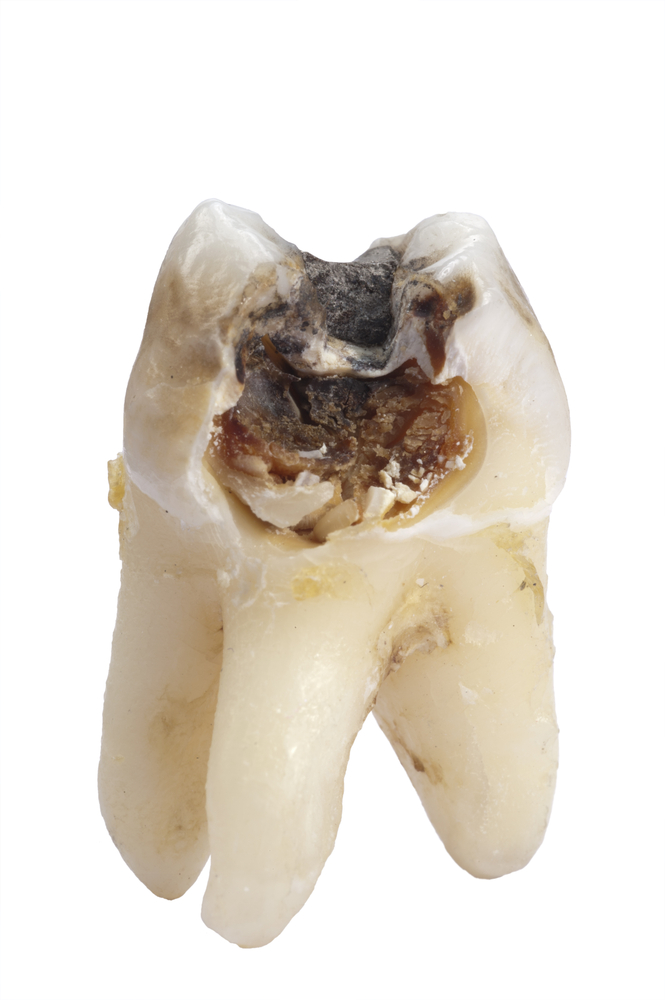
A broken tooth covers everything from the loss of a small piece limited to the enamel to a deep split that runs into the root. With a crack, the pieces may not separate completely. With a fracture, part of the tooth tissue can come away.
A broken tooth does not always hurt. Surface fractures that affect only the enamel can be painless. When the dentin or the nerve and blood vessel tissue known as the pulp is affected, sensitivity and pain can develop.
Common symptoms are:
- Sudden pain when chewing or when you release a bite
- Sensitivity to hot, cold, sweet or sour foods
- A sharp tooth edge that you feel with your tongue or cheek
- Food getting trapped in the broken area
- Swelling or tenderness around the gum
- Intermittent pain that you cannot trace to a particular tooth
The absence of pain does not mean the fracture is unimportant. A crack can deepen over time and make the tooth harder to repair.
What Helps Broken Tooth Pain?
Home measures do not repair the fracture. However, they can help protect the area and reduce discomfort until your dental examination.
- Rinse your mouth with lukewarm water: gently clear food debris from the area. Do not use very hot or very cold water.
- Apply a cold compress: if there has been a knock or there is swelling, apply a cold compress to the outside of the cheek at intervals. Do not place ice directly on the skin or the tooth.
- Do not chew on the broken side: eat soft foods. Stay away from hard, crunchy and sticky foods.
- Keep the piece that came off: take it to your dentist in a clean container in milk or saliva. With some fractures the piece can be bonded back on.
- Ask about pain relief: speak to your dentist or doctor about a medicine that suits your health. Do not place medicine directly on the tooth or gum.
What Should You Avoid Doing at Home?
Do not try to fix the broken piece in place with household glue. Do not file the sharp area down or probe the crack with an object. These actions can damage the remaining tooth tissue and the gum.
Putting off the examination once the pain eases is also not advisable. Temporary relief does not show that the pulp and the tissues around the root are healthy.
Why Do Teeth Break?
Teeth usually break not from a single cause, but from a combination of factors that weaken the tissue over time. A tooth that looks sound can contain a fine crack that was not noticed before.
Common reasons for a tooth to break are:
- A fall, a collision or a knock during sport
- Biting hard items such as ice, hard candy or seeds
- Untreated decay that has weakened the tooth tissue
- Thin tooth walls around large or aging fillings
- Repeated loading from teeth clenching and grinding
- Using your teeth to open packaging or hold objects
- Acid erosion, enamel development disorders or long-term surface loss
- Chewing loads and existing cracks that build up with age
Why Do Teeth Break Out of Nowhere?
What people describe as a tooth breaking out of nowhere usually involves a weakness that developed earlier. Deep decay, a large filling, teeth clenching or an unnoticed crack can lead to it.
A vitamin or mineral deficiency is not the single, typical explanation for an adult tooth suddenly breaking. With repeated fractures, the general medical history should be assessed alongside the oral examination.
What Types of Tooth Fracture Are There?
The type of fracture affects the treatment plan and the chances of saving the tooth. Whether the fracture line runs below the gum or into the root is particularly important.
- Craze lines in the enamel: fine lines in the outermost layer of the tooth. Most cause no pain, but they may need monitoring.
- Small crown fracture: a small piece of enamel or dentin comes away. A sharp edge and hot and cold sensitivity can occur.
- Fractured cusp: one of the chewing cusps breaks, especially in back teeth with large fillings. Pain on biting can occur.
- Deep crown fracture: the fracture comes close to or exposes the pulp tissue. Marked sensitivity and pain can develop.
- Split tooth: the crack separates the tooth into segments that can move. The whole tooth cannot always be saved.
- Vertical root fracture: the fracture runs along the root. It may cause no symptoms at first, with local swelling appearing later.
How Is a Broken Tooth Diagnosed?
The dentist asks how the fracture happened and what triggers the pain. The tooth surfaces, existing fillings, the gums and the bite relationship are examined.
The examination can include a controlled bite test, examination with light, magnification, measurement of gum pockets and pulp sensitivity tests. X-rays give information about the root and surrounding tissues. However, not all fine cracks are visible on an X-ray.
One situation we see often in our clinic is brief pain that starts on chewing in a back tooth with a large filling. To identify the source of the pain, the examination findings are assessed together.
What Is Done for a Broken Tooth?
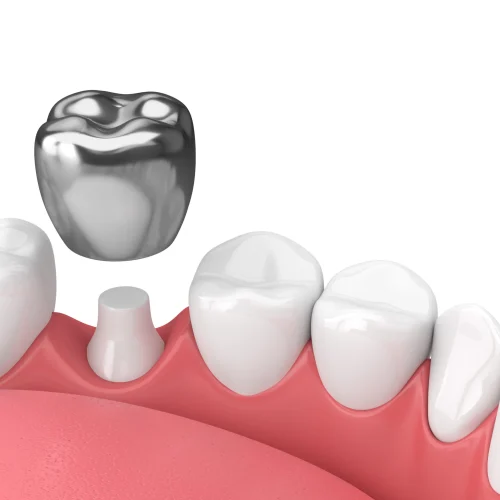
The aim of treatment is to protect the remaining tooth tissue, remove the source of the pain and make the tooth functional again. The same procedure is not used for every broken tooth.
| Type of Fracture | Possible Symptoms | Treatment That May Be Considered |
|---|---|---|
| Surface craze line in the enamel | Usually no symptoms | Monitoring, smoothing a sharp area or a protective approach |
| Small enamel-dentin fracture | Sensitivity, a sharp edge | Bonding the piece back, a composite filling or reshaping |
| Fractured chewing cusp | Pain on biting, food trapping | Filling, onlay or crown |
| Deep fracture reaching the pulp | Severe or prolonged pain | Pulp assessment, root canal treatment if needed and a restoration over it |
| Deep split or root fracture | Mobility, swelling, pain on chewing | Treatment of the part that can be saved, or assessment for extraction |
Can a Broken Tooth Be Filled?
For small and medium fractures, a composite filling can be used if there is enough sound tooth tissue. If the piece that came off is suitable, it can be bonded back with special adhesive systems.
If the fracture is large, a filling alone may not give enough protection against chewing forces. In that case, onlay or crown options that cover the cusps of the tooth are considered.
Can a Tooth Broken in Half Be Filled?
Whether a tooth broken in half can be repaired with a filling alone is only clear after an examination. A fracture extending to the gum level, the root or the pulp changes the treatment.
If there is enough sound tissue, the tooth can be preserved with a filling, an onlay or a crown. If the pulp is affected, root canal treatment may be needed. With deep splits that run along the root, extraction may come into question.
How Is a Broken Back Tooth Treated?
Back teeth carry heavy chewing forces. Treatment therefore aims not only to close the gap but also to protect the remaining cusps of the tooth.
Small fractures can be repaired with a filling. For a fractured cusp around a large filling, an onlay or crown can be considered. If you clench your teeth, the bite and the need for a night guard are assessed separately.
When Is Root Canal Treatment Needed?
If the fracture has exposed the pulp, or the pulp is irreversibly affected, root canal treatment may be needed. After the procedure, a filling, onlay or crown is planned to protect the remaining tissue.
Not every painful broken tooth needs root canal treatment. The state of the pulp is assessed with the examination, sensitivity tests and X-ray findings.
Crown and Onlay Treatment
A crown surrounds the visible part of the tooth and supports weakened tissue against chewing forces. An onlay is a more limited restoration that covers only the necessary chewing surfaces of the tooth.
Which option is suitable depends on the remaining sound tissue and the direction of the fracture. Placing a crown or onlay does not mean an existing crack will certainly stay trouble-free. Regular check-ups are needed.
When Are Porcelain Veneers Used?
A porcelain veneer can be considered for limited surface fractures in front teeth where the bite is suitable. If there is major tissue loss, a deep crack or a pulp problem, it may not be enough on its own.
Does a Broken Tooth Have to Be Extracted?
Not every broken tooth is extracted. Extraction is considered when the tooth cannot be repaired, the split runs into the root or the remaining tissue cannot support a restoration.
Before the decision, the level of the fracture, the gum and bone support and the state of the pulp are examined. If extraction is needed, managing the resulting gap is handled with a separate treatment plan.
What Happens If a Broken Tooth Is Not Treated?
An untreated fracture can widen under chewing forces. A fracture that could have been repaired with a filling at first may later need more extensive treatment.
Possible consequences include hot and cold sensitivity, constant pain, pulp inflammation and infection around the root. Sharp edges can irritate the tongue or cheek tissue. The tooth can also split beyond repair.
A broken tooth does not rebuild itself. The tooth can form a limited amount of defensive tissue to protect the pulp. However, the lost piece of enamel or dentin does not grow back.
When Should You Seek Emergency Care?
Even a small fracture should be assessed by a dentist. With the following symptoms, seek emergency dental care without delay:
- Severe or steadily increasing pain
- Marked swelling of the face or gum
- Fever, fatigue, a bad taste or discharge
- Bleeding that will not stop
- A tooth that is clearly loose or displaced
- Pink or red tissue visible inside the tooth
- Restricted jaw movement or serious facial trauma
If there is difficulty breathing or swallowing, go to a hospital emergency department. A tooth that has been knocked out completely is a different situation from a broken tooth and needs treatment without any loss of time.
How Can You Prevent a Broken Tooth?
- Do not chew hard items such as ice, hard candy or unpopped popcorn kernels.
- Do not use your teeth to open packaging or hold objects.
- Use the mouthguard your dentist recommends for contact sports.
- If you have signs of clenching or grinding, see a dentist.
- Do not postpone decay, cracked fillings and worn restorations.
- Keep brushing regularly with fluoride toothpaste and cleaning between your teeth.
- If you have reflux or frequent acid exposure, speak to the relevant clinician and your dentist.
Regular check-ups matter for teeth that have been treated for a fracture before. If you notice new pain on biting, sensitivity or movement in a restoration, do not postpone an examination.
Frequently Asked Questions
What helps broken tooth pain?
Rinsing with lukewarm water, applying a cold compress to the outside of the cheek and not chewing on the broken side can give temporary relief. These are not treatment; a dental examination is needed.
Does a broken tooth hurt?
Small fractures limited to the enamel can be painless. When the fracture reaches the dentin or the pulp tissue, pain on chewing and hot and cold sensitivity can develop.
Can a tooth broken in half be filled?
If there is enough sound tissue, a filling can be placed. Large fractures may need an onlay or crown, or root canal treatment if the pulp is affected.
Does a broken tooth repair itself?
A lost piece of enamel or dentin does not grow back. The fracture may need to be repaired with a filling, bonding, an onlay or a crown.
What happens if a broken tooth is not treated?
The fracture can deepen and lead to pain or pulp inflammation. Progressive damage can make the tooth harder to save.
Does a broken back tooth always have to be extracted?
No. Depending on the depth of the fracture, the tooth can be preserved with a filling, onlay, crown or root canal treatment. Extraction is considered for root fractures that cannot be repaired.
Should you keep the piece of a broken tooth?
Yes. Keep it in a clean container in milk or saliva and take it to your dentist. In suitable cases the piece can be bonded back on.