
If a filling falls out, rinse your mouth with lukewarm water, keep the area clean and avoid chewing on that side. Book a dental appointment soon, even if you have no pain. Exposed tooth tissue can become sensitive, fracture or trap food.
Do not place glue, cotton, chewing gum or any other material into the gap at home. At the examination, your dentist assesses the remaining tissue. They then decide whether a new filling, a repair, a crown or another treatment is needed.
What Happens When a Filling Falls Out?
Losing a filling reopens a tooth surface that was treated before. The dentin underneath may be sensitive to heat, cold, sweet foods or pressure.
Food can pack into the open area, and you may notice bad breath or discomfort while chewing. If the remaining walls of the tooth are weak, the risk of fracture can also rise. For that reason, waiting for pain to start is not a good idea.
A lost filling does not always mean the tooth will be extracted. When enough tooth tissue remains, a repair or a new restoration can be considered in most cases. The exact method is decided after an examination and, when needed, an X-ray.
How Can You Tell a Filling Has Fallen Out?
Sometimes the whole filling comes out and you notice a hard piece in your mouth. In other cases only part of the filling breaks away. Partial losses may not be easy to see.
- A new gap or sharp edge that your tongue can feel
- Food packing into the same spot again and again
- Sensitivity to hot, cold or sweet foods
- Pain or a feeling of pressure when you bite down
- Dental floss catching or shredding in the same area
- A change in the color, shape or height of the filling
- Noticing a hard fragment in your mouth that looks like filling material
A lost filling does not always cause pain. In a tooth that has had root canal treatment, there may be no clear sensitivity at all. Even so, the exposed tooth still needs to be assessed.
Why Do Dental Fillings Fall Out?
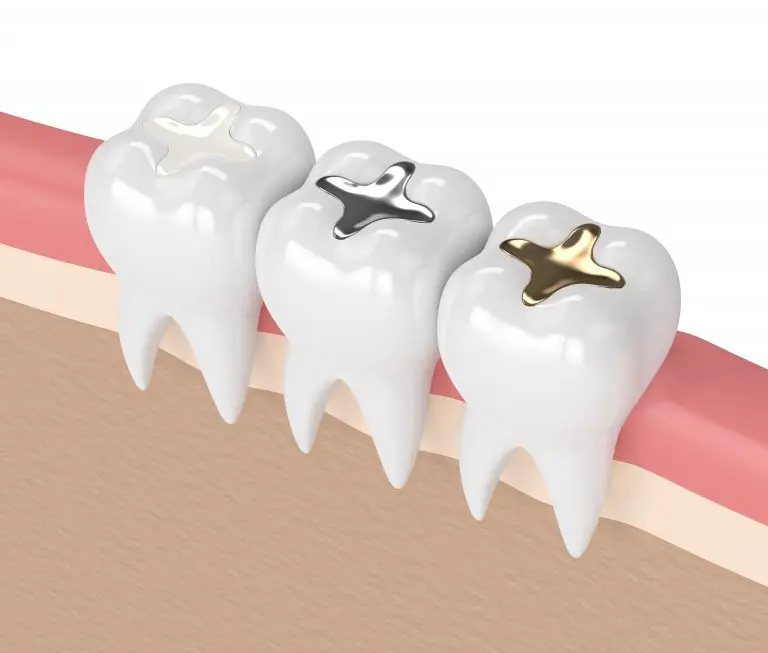
Fillings can wear down over time because of chewing forces, temperature changes and moisture in the mouth. A filling falling out does not by itself mean the work was done poorly. The condition of the tooth and your habits also affect the outcome.
- New decay around the filling: Decay can weaken the tooth tissue that supports the filling.
- A crack or fracture in the tooth: When the remaining walls break, the filling can lose its support.
- Teeth clenching and grinding: Repeated heavy forces can create cracks and wear on a filling.
- Biting hard objects: Ice, nut shells or pens can create sudden loads.
- A large filling: Big restorations leave less sound tooth tissue around them.
- Material wear over time: No filling material lasts forever. Check-ups review marginal fit and wear.
- Unbalanced bite forces: If one tooth contacts early, the filling can carry too much load.
Normal, controlled flossing should not dislodge a sound filling. If floss keeps catching, there may be a marginal gap, a fracture or an overhang at the edge of the filling.
What Should You Do First If a Filling Falls Out?
- Check your mouth: Try to work out whether the whole filling or only part of it came out. Do not poke the area with anything sharp.
- Rinse with lukewarm water: Remove loose food debris. Do not use very hot or very cold water.
- Keep the tooth clean: Keep brushing gently. Leaving the open area uncleaned can increase plaque and food build-up.
- Chew on the other side: Avoid hard, sticky and crunchy foods. Do not load the exposed tooth directly.
- Limit triggers: Very hot, cold, acidic or sugary foods can increase sensitivity.
- Contact your dentist: Even without pain, ask when you should be assessed.
What Should You Avoid When a Filling Falls Out?
- Do not try to stick the lost piece back with household glue.
- Do not put painkiller tablets, cologne, alcohol or herbal mixtures into the cavity.
- Do not seal the gap with cotton, tissue, chewing gum or setting materials.
- Do not try to clean the tooth with needles, toothpicks or other sharp tools.
- Do not postpone the examination for a long time just because there is no pain.
- Do not take antibiotics without a dentist's advice.
Temporary dental repair products sold in pharmacies are not a permanent treatment. If you are considering one, ask a dentist or a pharmacist first. Such a product should not be used to delay the examination.
Pain and Sensitivity After a Filling Falls Out
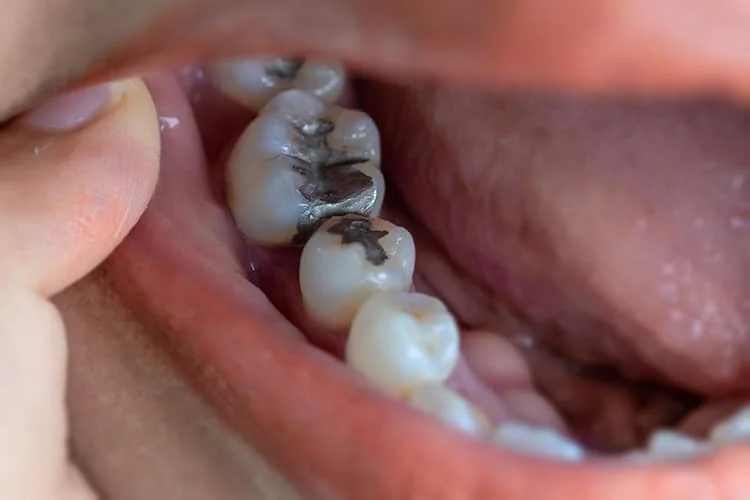
Pain can occur after a filling falls out, but not every patient feels it. Exposed dentin can transmit temperature and pressure changes to the inside of the tooth. Decay, a crack or involvement of the pulp can also cause pain.
Short-lived sensitivity may relate only to the exposed surface. Pain that starts on its own, throbs or wakes you at night can point to a deeper problem. Pain on biting may be linked to a crack, a fracture or the tissues around the root.
What Helps With Pain in a Tooth That Has Lost Its Filling?
Keeping the area clean and not chewing with that tooth until your appointment can reduce discomfort. You can avoid very hot, cold and sugary foods. Ask a dentist or pharmacist which painkiller is suitable for you.
Do not place a painkiller directly on the tooth. This can irritate the soft tissues and does not remove the cause of the problem. If the pain increases, ask to be seen sooner.
How Long Can You Wait After a Filling Falls Out?
There is no safe waiting time that applies to everyone after a filling is lost. How long the tooth stays exposed, plus signs of pain, fracture and infection, all need to be assessed. Contact a dentist as soon as you can.
A painless lost filling usually does not require a hospital emergency department. However, the exposed tooth surface has no protection against further damage. A fracture caused by hard food while you wait can change the treatment that is possible.
| Symptom or Situation | Suggested Approach |
|---|---|
| No pain, just a small gap | Book a dental appointment soon and avoid chewing on that side. |
| Sensitivity to hot, cold or sweet foods | Avoid the triggers and ask to be assessed without delay. |
| Pain on biting or a feeling that the tooth is cracked | Do not load the tooth and arrange an early examination. |
| Pain that wakes you at night or keeps getting worse | Contact a dentist the same day. |
| Facial swelling, fever or a bad taste | Seek an urgent dental assessment. |
| Difficulty breathing or swallowing | Get emergency medical care without delay. |
What If the Filling Falls Out of a Root Canal Treated Tooth?
If the temporary or permanent filling in a root canal treated tooth falls out, the seal inside the tooth can be lost. Bacteria and food debris can reach the access cavity. Such a tooth may also give fewer symptoms than a vital tooth.
In root canal treated teeth, a lack of pain does not mean it is safe to wait. In back teeth especially, the remaining walls can fracture under chewing forces. If the treatment is not finished yet, the appointment matters even more.
If a temporary filling comes out between treatment visits, contact the dentist who carried out the procedure as soon as possible. Do not place anything into the canal. Whether a new temporary filling, a permanent filling or a crown is needed is decided at the examination.
Which Treatments Can Replace a Lost Filling?
The treatment decision is not based on the size of the gap alone. The remaining sound tooth tissue, decay, cracks, bite forces and the condition of the pulp are assessed together. An X-ray may be taken when needed.
| Clinical Situation | Treatment That May Be Considered |
|---|---|
| A small part of the filling is damaged and the tooth around it is sound | Repairing the existing restoration can be considered. |
| The filling is completely lost and enough sound tissue remains | A new filling can be placed after the decayed tissue is removed. |
| There is extensive tissue loss or the tooth walls are weak | An indirect restoration or a crown may be considered instead of a filling. |
| The pulp is involved or there are signs of infection | Whether root canal treatment is needed is assessed. |
| The tooth is broken beyond repair | Tooth extraction may come up as a last option. |
Replacing a partly defective filling completely is not always necessary. In suitable cases, a repair can preserve more sound tooth tissue. The choice between repair and replacement should follow the clinical findings.
Can a New Filling Be Placed After One Falls Out?
If enough sound tissue remains, a new filling can be placed. First the old material, decay, cracks and the reason the filling failed are assessed. Simply closing the gap without correcting the cause may not be enough.
When the filling material is chosen, the position of the tooth, the size of the cavity, moisture control and chewing load are taken into account. No single filling type suits every patient and every tooth.
Does a Tooth With a Lost Filling Need to Be Extracted?
Losing a filling is not on its own a reason for extraction. Extraction may be considered when the tooth is broken beyond repair, the decay is very advanced or the root structure cannot be preserved.
One situation we see often at our clinic is a patient who feels the gap and assumes the tooth has broken completely. At the examination, a lost filling can usually be told apart from a fractured tooth.
Can a Filled Tooth Decay Again?
Filling material does not decay, but new decay can develop in the natural tooth tissue around it. This is called secondary or recurrent decay. Leakage at the margin, plaque build-up and frequent sugar intake can increase the risk.
New decay may not cause symptoms at first. Over time you may notice discoloration at the edge of the filling, food packing, sensitivity or fracture. Since not every color change means decay, a clinical assessment is needed.
How Can You Reduce the Risk of Losing a Filling Again?
- Brush twice a day with fluoride toothpaste.
- Clean between your teeth every day with suitable floss or an interdental brush.
- Limit how often you have sugary foods and drinks.
- Do not use your teeth to crack ice, pens or hard shells.
- Tell your dentist if you clench or grind your teeth.
- Book a check-up if a new filling feels high when you bite.
- Follow the personal recall intervals your dentist sets for you.
How long a filling lasts does not depend on the material alone. Oral hygiene, decay risk, the position of the tooth and chewing forces also affect the result. Regular check-ups can help problems be spotted before a filling comes out completely.
Frequently Asked Questions
What should I do if my filling falls out?
Rinse your mouth with lukewarm water, keep the tooth clean and avoid chewing on that side. Book a dental appointment soon, even if there is no pain.
What should I avoid when a filling falls out?
Do not put glue, chewing gum, cotton, painkiller tablets or herbal mixtures into the gap. Do not poke the area with sharp tools and do not delay the examination for long.
Can a filling be replaced after it falls out?
If enough sound tooth tissue remains, a new filling or a repair of the existing restoration can be considered. The decision depends on decay, cracks and the condition of the remaining tissue.
How do you know a filling has fallen out?
You may feel a gap or sharp edge with your tongue, notice food packing, sensitivity or pain on biting. Some lost fillings are noticed without any pain at all.
What happens if the filling falls out of a root canal treated tooth?
The seal of the tooth can be lost and the remaining tissue becomes prone to fracture. Even without pain, contact the dentist who carried out the treatment as soon as possible.
Does a lost filling cause pain?
Exposed tooth tissue can be sensitive to hot, cold, sweet foods or pressure. Severe, throbbing pain, or pain that wakes you at night, needs earlier assessment.
Is a tooth with a lost filling extracted?
Losing a filling is not on its own a reason for extraction. Extraction is only one of the options when the tooth is damaged beyond repair.
How many days can you wait after a filling falls out?
There is no fixed waiting time that is considered safe for everyone. Even without pain, you should contact a dentist soon.