
A composite filling is a tooth-colored, resin-based restoration that rebuilds tooth structure lost to decay, fracture or wear. It is also commonly called a white filling or a light-cured filling.
The lifespan of a composite filling is not fixed. With proper planning and regular care, it can last 5-10 years. Some fillings work well for longer. The position of the tooth, the size of the filling, decay risk and any teeth clenching habit all affect this period.
What Is a White (Composite) Filling?
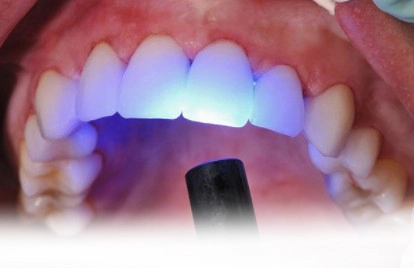
A composite filling combines an organic resin matrix with inorganic filler particles such as glass, silica or ceramic. It can also contain color pigments, bonding components and initiators that allow it to set under light.
The color of the material can be matched to the natural tooth. For that reason, it can be used on front teeth and in areas visible when you smile. Modern composite materials can also be applied to the chewing surfaces of back teeth in suitable cases.
The term "plastic filling" does not fully describe what composite is. Composite is not made of plastic alone. The resin matrix is combined with different filler particles that support its mechanical properties.
What Does a Light-Cured Composite Filling Mean?
A light-cured composite filling means the material is hardened with a special blue LED light. This light is not a laser. It activates the light-sensitive components inside the composite and starts polymerization.
Depending on the material and the technique, the filling may be placed in layers. Each layer is cured with light for long enough. The shape of the filling and its relationship with your bite are then adjusted.
When Can a Composite Filling Be Used?
Composite fillings are not used only for decayed teeth. They can be one of the restorative options whenever tooth structure has been lost.
- Repairing the cavity left after decay has been cleaned out
- Small and medium-sized tooth fractures
- Worn tooth surfaces or teeth that have lost their shape
- Loss of tooth structure at the gum margin
- Suitable front tooth fractures and limited shape adjustments
- Repairing an old filling that is partly damaged
Not every loss of tooth structure can be repaired with a composite filling. Teeth with large fractures, deep cracks or advanced tissue loss may need different restorations. If the tooth nerve is affected, root canal treatment is also considered.
Signs That May Suggest You Need a Filling
- Sensitivity to cold, hot or sweet foods
- Pain felt in one particular tooth while chewing
- A visible gap or dark area on the tooth surface
- Dental floss constantly catching in the same spot
- Food packing between two teeth
- A crack, fracture or margin staining in an old filling
These findings are not always caused by decay. A cracked tooth, gum recession or a bite problem can lead to similar complaints. A clinical examination is needed for a diagnosis.
How Is a Composite Filling Done?
The steps can vary with the depth of the damage and the composite system used. The general process includes the following stages:
- Examination: The tooth, surrounding tissues and any existing filling are assessed. A dental X-ray may be requested if needed.
- Shade selection: Especially in visible areas, a composite shade matching the natural tooth color is chosen.
- Anesthesia: Local anesthesia may be used depending on the depth of the decay and your sensitivity.
- Cleaning: Decayed or unsupported tooth structure is removed in a controlled way.
- Surface preparation: A suitable bonding system is applied so the tooth can bond with the composite.
- Placing the filling: The composite is placed in layers or at the required thickness, depending on the material.
- Curing and polishing: The filling is hardened with a blue LED light. The tooth is shaped, the bite is checked and the surface is polished.
Many composite fillings can be completed in a single visit. The length of the appointment depends on how large the decay is and how many surfaces are restored. Treating more than one tooth can take longer.
Advantages and Limitations of Composite Fillings
Composite fillings are widely used because they match tooth color and bond to tooth structure. Even so, they are not expected to give the same result on every tooth.
| Feature | Assessment |
|---|---|
| Appearance | Shades close to the natural tooth color can be selected. |
| Preserving tooth structure | In suitable cases, only the damaged tissue needs to be removed. |
| Procedure | Usually placed directly on the tooth and completed in one visit. |
| Repair | Limited damage can often be repaired without replacing the whole filling. |
| Moisture control | The tooth must be isolated effectively from saliva during placement. |
| Wear and fracture | Large fillings and heavy chewing forces can increase the risk of fracture. |
| Color change | Surface staining or margin discoloration can develop over time. |
A composite filling is not the same procedure as an inlay, onlay or crown. As the loss of tooth structure grows, the load the filling has to carry increases. In that situation, a restoration that surrounds the tooth may be more suitable.
How Long Does a Composite Filling Last?
The lifespan of a composite filling is generally considered to be 5-10 years. This is not a strict limit. Some fillings that are checked regularly stay in the mouth for more than 10 years.
Scientific reviews report that the main reasons composite fillings fail are new decay at the filling margin and fracture of the restoration. High decay risk and a greater number of restored surfaces can shorten their lifespan.
Factors That Affect How Long a Filling Lasts
- Size of the filling: Large fillings covering several surfaces carry more chewing load.
- Position of the tooth: Back teeth can be exposed to higher chewing forces than front teeth.
- Oral hygiene: Plaque building up at the filling margin increases the risk of new decay.
- Eating habits: Frequent sugary food and drinks can raise decay risk.
- Clenching and grinding: Repeated high forces can cause wear or fracture in the filling.
- Treatment conditions: Moisture control, the bonding system and bite adjustment affect clinical performance.
- Regular check-ups: Spotting small margin problems early may allow a more limited repair.
One problem we see often at our clinic is that patients do not have old fillings checked because there is no pain. Changes at the filling margin may not cause symptoms at first.
What Does a Single-Surface Composite Filling Mean?
A single-surface filling means the restoration covers only one surface of the tooth. A two-surface filling covers two adjoining surfaces, and a three-surface filling extends across three tooth surfaces.
The number of surfaces does not mean the number of teeth treated. Several surfaces on one tooth can be part of the same restoration. As the number of surfaces increases, the scope of the work and the amount of material used can change.
Fillings in front teeth can also be classified differently according to their position and the area they cover. The size of the fracture and the forces of your bite affect how long a front tooth filling lasts.
Composite Filling Prices 2026
In the Turkish Dental Association's 2026 guide fee schedule, composite fillings covering one to three surfaces are listed in the range of 3,375–5,300 TL including VAT. All amounts are in Turkish lira (TL). The schedule is a guide that applies to all provinces and districts.
| Procedure | TDB 2026 guide fee schedule, VAT included |
|---|---|
| Composite filling, one surface | 3,375 TL |
| Composite filling, two surfaces | 4,235 TL |
| Composite filling, three surfaces | 5,300 TL |
These amounts are for information only; the exact fee is set after an examination. The figures in the table are not MFS Dent's final treatment fee.
The price can be affected by the number of surfaces the filling covers, the position of the tooth and the depth of the decay. Removing an old filling, X-rays or additional procedures may be assessed separately.
With deep decay, the condition of the tooth nerve also changes the treatment plan. Without an examination, it is not possible to set an exact fee based only on the visible cavity.
What Should You Pay Attention To After a Filling?
A light-cured composite filling is already hard when the procedure ends. However, if local anesthesia was used, you should wait to eat until the numbness wears off. This helps you avoid biting your tongue or cheek without noticing.
- Brush your teeth twice a day with fluoride toothpaste.
- Clean around the filling with dental floss or the interdental product your dentist recommends.
- Do not bite ice, hard shells or objects such as pens.
- Tell your dentist if you think you clench your teeth.
- Plan your check-up interval with your dentist based on your oral health.
Short-term sensitivity to hot or cold can occur after the procedure. If the filling feels high, you may notice pressure on a single point while chewing. This may need a small bite adjustment.
When Should a Composite Filling Be Replaced?
Not every old filling needs to be replaced simply because of its age. The margin fit of the filling, the integrity of its surface, the tooth structure beneath it and your symptoms are all assessed together.
If there is a small, limited fracture, repairing the filling may be possible. Scientific studies show that, in suitable cases, repair can be an alternative to replacing the whole filling. The decision should be made by clinical examination.
In the following situations, a dental check-up should not be delayed:
- Tooth pain that starts on its own or wakes you at night
- Swelling of the gums or face
- Tooth pain accompanied by fever
- A clearly fractured or dislodged filling
- Part of a tooth breaking after trauma
- Increasing sensitivity to hot and cold
- Sharp pain that persists when biting
Composite Filling Assessment in Bursa
When a composite filling is planned in Bursa, Turkey, the depth of the decay, the vitality of the tooth, the bite relationship and the surfaces the restoration will cover should all be assessed. Shade selection alone is not enough for a correct treatment plan.
Private MFSDENT Oral and Dental Health Polyclinic provides care in Yıldırım, Bursa. If you would like to arrange an examination appointment, you can contact the clinic for information about available days and times.
Frequently Asked Questions
How long does a composite filling last?
Composite fillings can generally be used for 5-10 years. The size of the filling, the position of the tooth, oral hygiene, decay risk and any clenching habit affect this period.
What does a light-cured composite filling mean?
It means the composite material is hardened with a special blue LED light. The light used is not a laser, and the curing process is called polymerization.
What does a single-surface composite filling mean?
It means the filling covers only one surface of the tooth. Two-surface and three-surface describe how many surfaces are restored on the same tooth.
How long does a front tooth filling last?
Front tooth composite fillings can last for years with proper care. The size of the fracture, bite forces and the habit of biting hard objects affect how long they last.
Can composite fillings be brushed?
Yes. Teeth with composite fillings should be brushed regularly with fluoride toothpaste, and the area around the filling should be cleaned with dental floss.
How much does a composite filling cost?
The TDB 2026 guide fee schedule lists 3,375–5,300 TL including VAT for composite fillings covering one to three surfaces. This information is for guidance only; the exact fee is set after an examination.
When can you eat after a composite filling?
A light-cured filling is hard as soon as the procedure ends. If local anesthesia was used, it is advised to wait until the numbness wears off so you do not bite your tongue or cheek.
What does a "medicated filling" mean?
"Medicated filling" is a term people use for restorations where an intermediate material is placed in deep cavities to protect the tooth nerve. The material and treatment method needed are decided after an examination.
Sources
- Turkish Dental Association (TDB) 2026 Guide Fee Schedule Booklet
- Turkish Ministry of Health – Frequently Asked Questions About Composite White Fillings
- ADA – Restorative Treatments for Caries Lesions in Permanent Teeth
- Longevity of Posterior Resin Composite Restorations in Adults: A Systematic Review
- Longevity of Posterior Composite Restorations: A Systematic Review and Meta-Analysis
- Risk of Failure of Repaired Versus Replaced Defective Direct Restorations