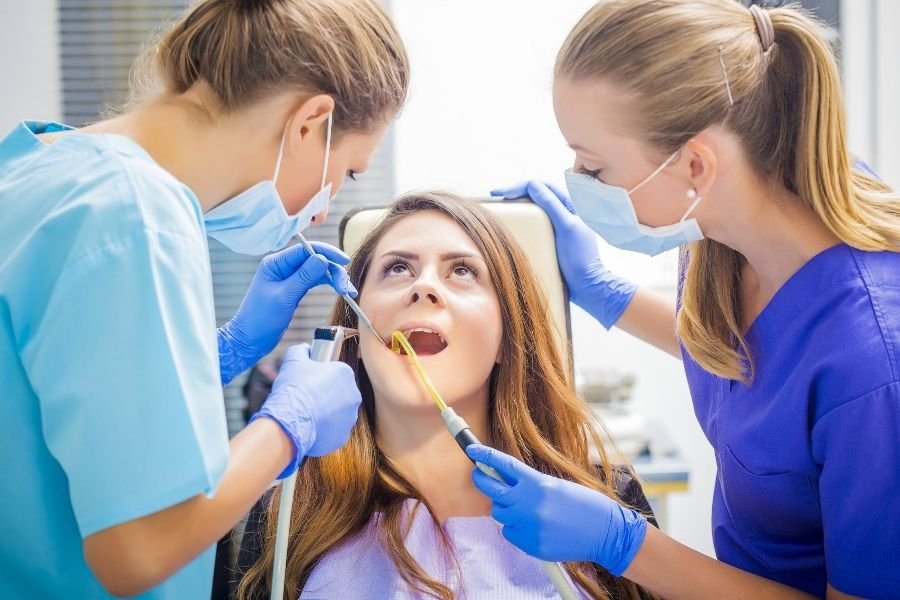
Tooth enamel is the hard, mineral-rich protective layer covering the visible part of the tooth. It can thin and wear away over time because of acids, teeth clenching or incorrect brushing. Enamel that is physically lost does not grow back. However, early surface softening can regain some mineral with suitable care and fluoride support.
How enamel thinning is managed depends on the cause and extent of the tissue loss. In the early stage, stopping the process may be enough. If there is sensitivity or loss of shape, professional applications, composite restorations, veneers or crowns can be considered.
What Is Tooth Enamel?
Tooth enamel is the hardest mineralized tissue in the body. It is made largely of hydroxyapatite crystals and protects the dentin beneath it. It is the first layer to meet chewing forces, temperature changes and acids in the mouth.
Enamel contains no living cells. For that reason, a part that fractures or wears away completely cannot renew itself the way skin does. Minerals in saliva and fluoride can only support the resistance of a surface at the early demineralization stage.
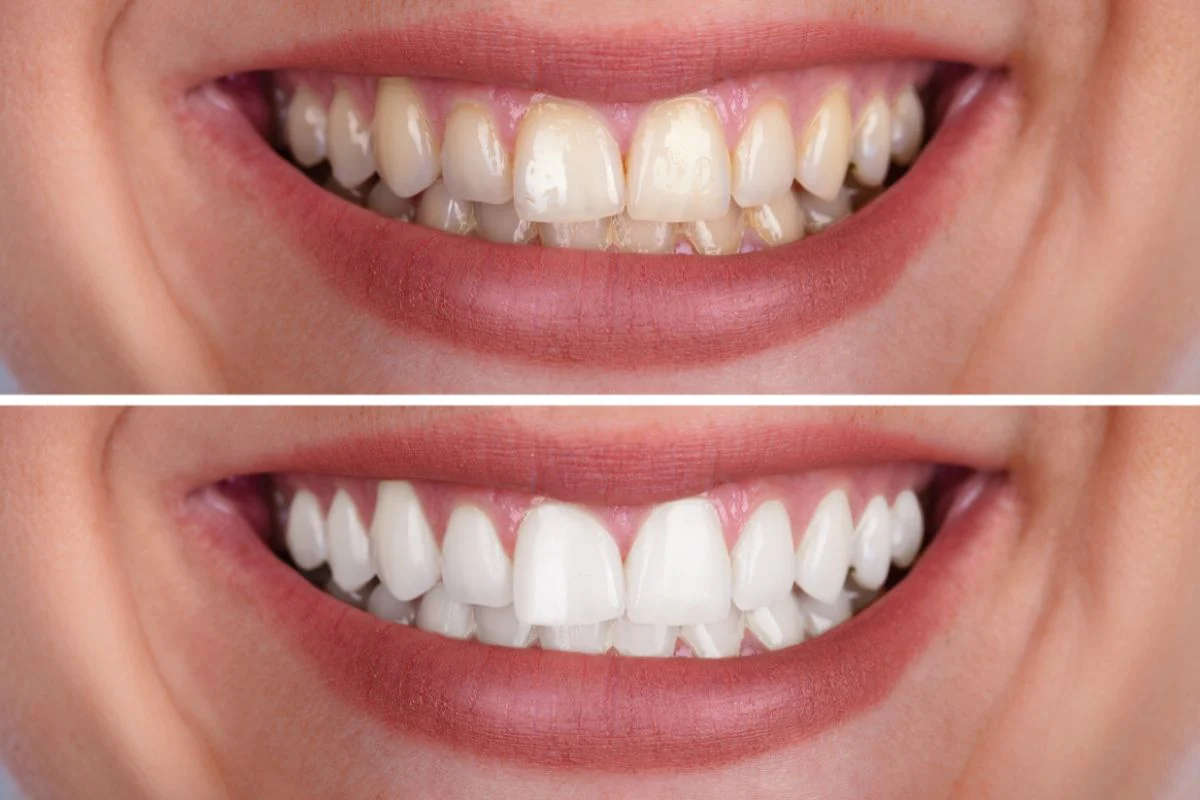
The natural color of a tooth does not depend on enamel alone. Enamel is translucent, and the yellowish dentin underneath shows through. As enamel thins, teeth can look more yellow or dull.
What Is Enamel Thinning?
Enamel thinning is when the tooth looks thinner because enamel, and in some cases dentin, has been lost. It is most noticeable as translucency at the edges of the front teeth, irregular edges and teeth that look shorter.
Enamel thinning is not the name of a disease on its own. It can develop from acid erosion, teeth clenching, hard brushing, or a combination of these. In some people, structural traits can also make the teeth look more translucent.
Worn enamel does not come back on its own. So the answer to how enamel thinning is treated starts with controlling the factor causing the loss. If necessary, the lost tooth shape is rebuilt with restorative methods.
People who come to our clinic with this complaint often mention not only sensitivity but also translucency and shortening at the edges of the front teeth. The exact cause can only be identified with an intraoral examination.
What Causes Tooth Enamel Erosion?
Tooth wear is a multi-factor condition in which chemical and mechanical processes can act together. Identifying the type of wear matters for the right protection and treatment plan.
| Type of wear | Main mechanism | Common factors |
|---|---|---|
| Erosion | Acids not produced by bacteria dissolving tooth tissue | Acidic drinks, reflux and frequent vomiting |
| Attrition | Teeth rubbing against each other | Teeth clenching, grinding and heavy bite contact |
| Abrasion | Mechanical friction from outside | Hard brushing, abrasive products and certain habits |
The main factors that can contribute to tooth enamel wearing away are as follows:
- Acidic foods and drinks: Frequent consumption of fizzy drinks, energy drinks and fruit juices can soften enamel. How often you consume them matters as much as the total amount.
- Reflux and frequent vomiting: Stomach acid reaching the mouth regularly can cause erosion, especially on the inner surfaces of the teeth.
- Teeth clenching and grinding: Repeated forces can wear down the chewing surfaces and the edges of the front teeth over time.
- Incorrect brushing: A hard-bristled brush, too much pressure and abrasive products can speed up enamel loss.
- Dry mouth: Saliva helps balance acids. Reduced saliva flow can weaken that protective effect.
- Repeated habits: Biting pens, nail biting or opening hard objects with your teeth can cause tissue loss in specific areas.
What Are the Symptoms of Enamel Erosion?
Early enamel loss may cause no obvious complaint. In later stages, changes in appearance, sensitivity and chewing comfort can appear.
- Sensitivity to cold, hot, sweet or sour foods
- Translucency and thinning at the edges of the front teeth
- Teeth looking more yellow
- Flattening or small pitted areas on the chewing surfaces
- Shortening, cracks or irregularity at the tooth edges
- Shiny, smooth or scratched areas on the tooth surface
- Fillings appearing to sit higher than the surrounding tooth tissue
These symptoms may not be caused by enamel wear alone. Decay, gum recession, a cracked tooth or problems with a filling can create similar sensitivity.
How Can Tooth Enamel Be Strengthened?
Strengthening tooth enamel does not mean regrowing lost tissue. The aim is to limit early mineral loss, protect the remaining surface and slow the progression of wear.
- Brush your teeth regularly with a soft-bristled brush and fluoride toothpaste.
- Do not press hard with the brush and avoid vigorous horizontal movements.
- Reduce how often you have acidic foods and drinks.
- Rinse your mouth with water after something acidic. Do not brush your teeth straight away.
- Do not hold acidic drinks in your mouth or swish them between your teeth.
- Drink enough water to support saliva flow.
- Eat a balanced diet. Foods containing calcium and phosphorus can support overall dental health.
- Have check-ups at the intervals your dentist recommends.
Fluoride can help early demineralized surfaces regain mineral and become more resistant to acid. The choice of product, how it is used and whether professional fluoride is needed should be assessed by a dentist.
Applying acidic substances such as lemon or vinegar to the teeth can increase enamel loss. Brushing with harsh, abrasive powders can also scratch the surface.
How Is Pain From Thin Enamel Relieved?
Enamel tissue itself does not feel pain. When enamel thins, the dentin underneath becomes more exposed to external stimuli and sensitivity can develop. Cold, hot, sweet or sour foods can trigger a brief twinge.
You can temporarily avoid very hot, cold and acidic foods. Using a soft brush and cleaning the tooth without pressing hard also matters. Sensitivity products should be used following an assessment by your dentist.
Pain that starts on its own, wakes you at night or continues after the stimulus is gone should not be attributed to enamel wear alone. There may be decay, a crack or a problem with the tooth nerve.
How Is Enamel Erosion Treated in the Clinic?
Treatment is planned according to the cause before the extent of the wear. Placing a restoration while acid contact or clenching continues may not prevent further tissue loss.
Examination and Identifying the Cause
The dentist assesses the location, pattern and depth of the wear. You may be asked about eating habits, reflux symptoms, dry mouth and any history of clenching. Where necessary, changes are tracked with photographs, impressions or a digital scan.
Protective and Desensitizing Treatments
A restoration may not be needed at an early stage. Professional fluoride applications or desensitizing materials can be considered. The aim is to reduce symptoms and protect the remaining tissue.
Bonding and Composite Fillings
With limited tissue loss, the missing part of the tooth can be rebuilt with dental bonding or a composite filling. This method can be used at the edges of the front teeth, for wear at the gum line or for small losses of shape.
Veneer and Crown Options
With wider loss of shape, color or surface, porcelain veneers can be considered. With advanced tissue loss, a full ceramic or zirconia crown may come into question. The decision on a crown should be made with preservation of sound tooth tissue in mind.
A Protective Guard Against Clenching
If clenching or grinding is identified, a custom night guard can be suggested. The guard does not remove bruxism. It can, however, limit direct contact between the teeth and the load placed on restorations.
| Approach | When it can be considered | Main aim |
|---|---|---|
| Fluoride or sensitivity treatment | Early wear and sensitivity | Protecting the surface and reducing symptoms |
| Bonding or composite filling | Limited loss of shape and tissue | Rebuilding the missing contour |
| Porcelain veneer | Wider loss on the front surface | Restoring shape and function |
| Zirconia or full ceramic crown | Advanced, widespread loss of tooth structure | Protecting the tooth and supporting chewing function |
| Night guard | Teeth clenching and grinding | Limiting mechanical wear |
Prices for Enamel Treatment
There is no single fee for treating tooth enamel. The price depends on the number of teeth affected, the degree of wear, sensitivity and the restoration chosen.
Based on the relevant items in the TDB 2026 guide fee schedule, VAT included, the general ranges in Turkish lira are as follows:
| Procedure group | 2026 guide price range |
|---|---|
| Sensitivity treatment | 1,220–3,520 TL |
| Composite-based restorations | 2,720–9,295 TL |
| Zirconia crown or ceramic veneer | 13,750–26,400 TL |
These ranges are for information only; the exact fee is set after an examination. A dental examination can be arranged in Bursa for an assessment.
When Should You See a Dentist?
When you notice thinning or wear, an early assessment makes it easier to track any progression. Do not postpone an examination in the following situations:
- Sensitivity that keeps increasing
- Pain that starts on its own or wakes you at night
- Rapid shortening or translucency of the front teeth
- A fracture or crack forming at the edge of a tooth
- Pain while chewing
- Frequent heartburn, acid coming into the mouth or repeated vomiting
- Swelling, fever or a bad taste around a tooth
If there is reflux, repeated vomiting or marked dry mouth, an assessment by the relevant doctor may also be needed. Controlling enamel wear sometimes requires a dentist and a physician to work together.
Frequently Asked Questions
Does tooth enamel renew itself?
Tooth enamel that is physically lost does not grow back. Early surface demineralization can be partly balanced with minerals from saliva, fluoride and suitable care.
How is enamel thinning treated?
The cause, such as acid contact, incorrect brushing or clenching, is controlled first. If tissue loss is marked, a composite restoration, veneer or crown can be used following a dental assessment.
What is good for tooth enamel?
Fluoride toothpaste, a soft brush, drinking water and reducing how often you have acidic foods all help protect the remaining enamel. No home method brings back enamel that has been lost.
What strengthens tooth enamel?
Fluoride and minerals in saliva can support the resistance of an early demineralized surface. A balanced diet and regular oral care matter, but worn enamel does not form again.
How is pain from thin enamel relieved?
The pain is usually sensitivity caused by exposure of the dentin under the enamel. With constant pain, pain that begins at night or pain that lasts a long time, a dental examination is needed to check for causes such as decay or a crack.
What causes wear on the front teeth?
Acidic drinks, reflux, clenching, nail biting and biting hard objects can wear down the edges of the front teeth. The pattern of the wear gives your dentist information about the likely cause.
How much does enamel treatment cost?
In the TDB 2026 guide fee schedule, the relevant procedures range from roughly 1,220–26,400 TL. This wide range covers different treatments; it is for information only and the exact fee is set after an examination.
Sources
- American Dental Association – Dental Erosion
- Consensus Report of the European Federation of Conservative Dentistry: Erosive Tooth Wear
- Severe Tooth Wear: European Consensus Statement on Management Guidelines
- Rehabilitation Strategies in the Management of Worn Dentitions: Consensus Statement
- Turkish Dental Association (TDB) 2026 Oral and Dental Health Examination and Treatment Fee Guide