
The phrase infection after tooth extraction can refer to an infection at the extraction site or to dry socket. Dry socket is a painful healing problem caused by loss of the protective blood clot. Not every case of dry socket means a bacterial infection.
In the first days, mild to moderate pain, swelling and oozing bleeding can occur. These complaints are expected to ease over time. If pain increases after the third day, or comes with fever and discharge, a dental assessment is needed.
What Does Normal Healing After a Tooth Extraction Look Like?
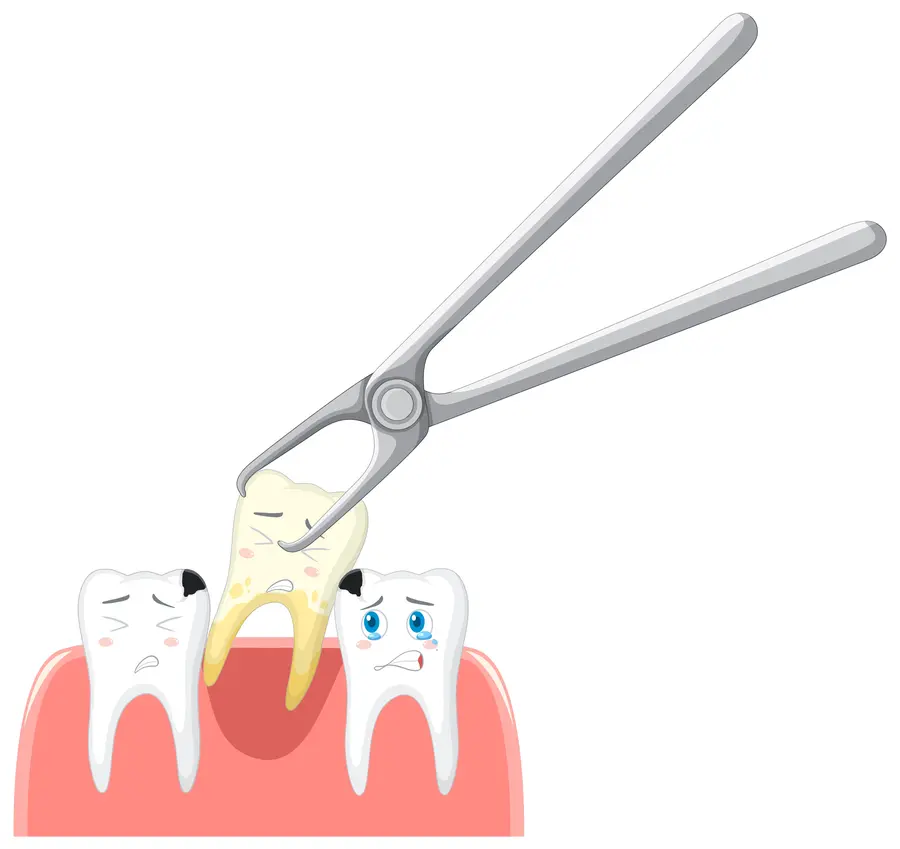
After a tooth is removed, a blood clot forms in the empty socket. This clot protects the bone and nerve endings underneath and creates the conditions for new tissue to develop. Protecting the clot is an important part of healing.
Healing time varies with the tooth removed, how difficult the procedure was and the person's general health. Surgical extractions and impacted wisdom teeth can cause sensitivity for longer.
| Period | Usually Expected | May Need a Check-Up |
|---|---|---|
| First 24 hours | A clot forming, slight oozing of blood and pain once the numbness wears off | Heavy bleeding that does not stop despite pressure |
| Days 2-3 | Pain and swelling being noticeable | Pain that is hard to bear or increases quickly |
| Days 3-7 | A gradual decrease in pain and swelling | New bad odor, bad taste, discharge or fever |
| 1-2 weeks | The gum starting to close and sensitivity easing | Ongoing swelling, pus or marked difficulty moving the jaw |
| Following weeks | The socket closing over at the surface | A wound that does not heal or pain that keeps coming back |
The gum can close within a few weeks. Bone healing inside the socket, however, continues for months. So the surface closing does not mean the healing underneath is complete.
How Long Does Pain Last After a Tooth Extraction?
Is Pain Normal After a Tooth Extraction?
Yes. During the extraction, the surrounding gum, connective tissue and bone can be affected. Pain that starts once the numbness wears off is usually most noticeable in the first 48-72 hours.
In normal healing, pain is expected to ease a little each day. After simple extractions, sensitivity can last a few days. With surgical extractions, or teeth with roots that are hard to remove, it can extend to about a week.
Why Does the Extraction Site Hurt?
Pain in the first days is usually related to the tissues healing. Sutures, tension in the surrounding muscles and the steps carried out during the extraction can also cause sensitivity.
If pain eases and then starts again, dry socket, food collecting in the area or an infection should be considered. Pain from neighboring teeth can also be felt at the extraction site.
What Should You Do If the Pain Does Not Go Away?
If pain gets worse after the third day, contact the dentist who carried out the extraction. Throbbing pain that spreads to the ear, temple or neck in particular can be linked to dry socket.
The type of painkiller should be chosen according to your conditions and the medicines you take. Use only the medicine recommended by your dentist or doctor. Do not go beyond the recommended use.
What Are the Signs of Infection After a Tooth Extraction?

A single symptom is not enough to tell normal healing from infection. The course of the pain, the spread of swelling and systemic signs are assessed together.
- Pain that does not ease after the first days, or keeps increasing
- Pus-like discharge from the extraction site
- Growing swelling in the face or jaw area
- Marked redness and tenderness that increases on touch
- Bad breath or a persistent bad taste
- Fever, chills, weakness or feeling generally unwell
- Difficulty opening the mouth, chewing or swallowing
- Tenderness or swelling of the lymph nodes in the neck
One situation we see often at our clinic is the normal healing layer being mistaken for pus. As well as the appearance, how pain and swelling change over the days matters.
Is a White Area Normal After a Tooth Extraction?
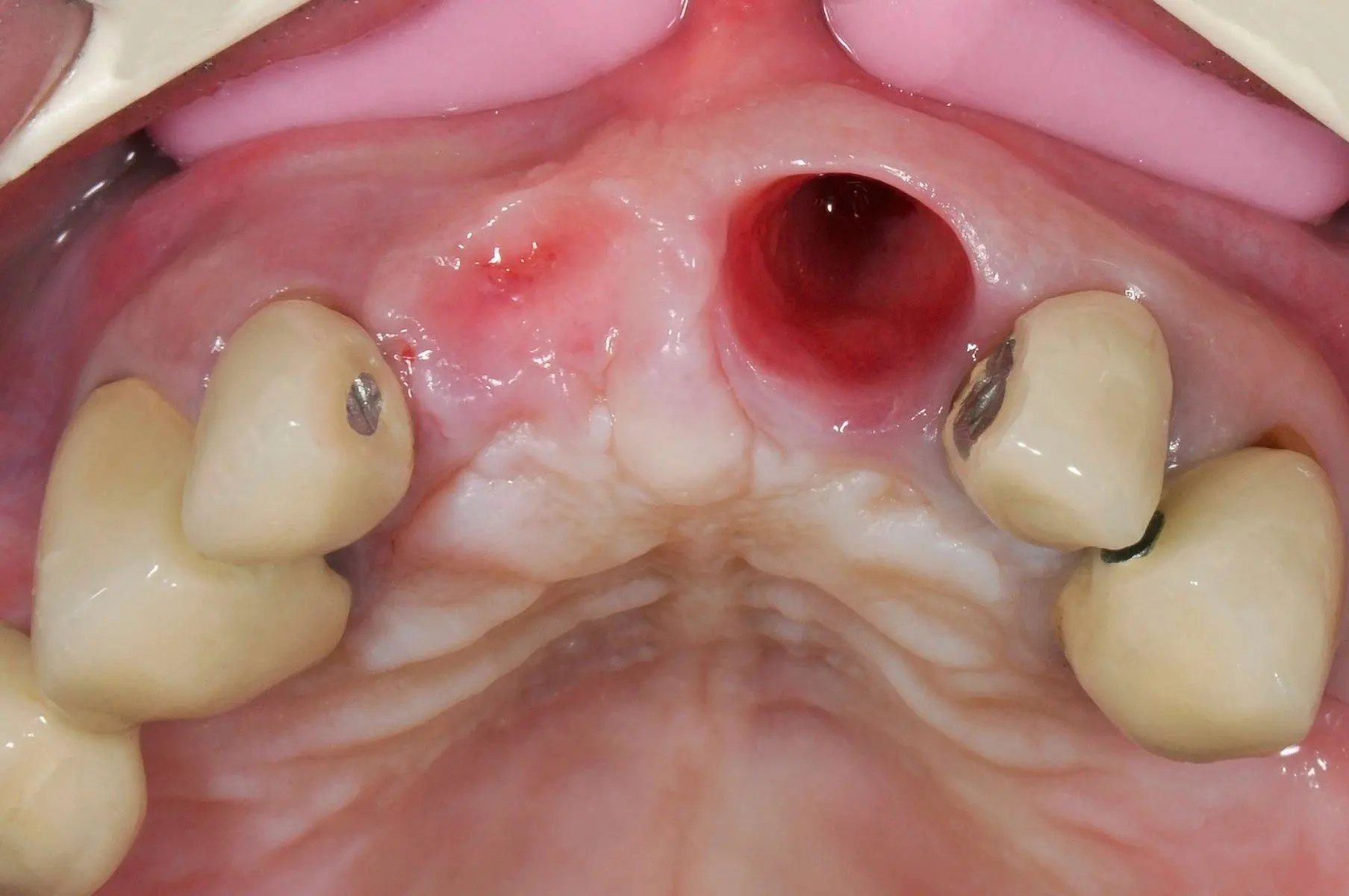
The white or yellowish layer in the socket is usually fibrin and healing tissue. This appearance is not a sign of infection on its own. Scraping the area or trying to remove the layer can damage the clot.
If the white area comes with increasing pain, pus, a bad odor, fever or growing swelling, a check-up is needed. A firm diagnosis cannot be made from a photograph. A dental examination separates normal tissue from infection.
What Is Dry Socket and How Is It Recognized?
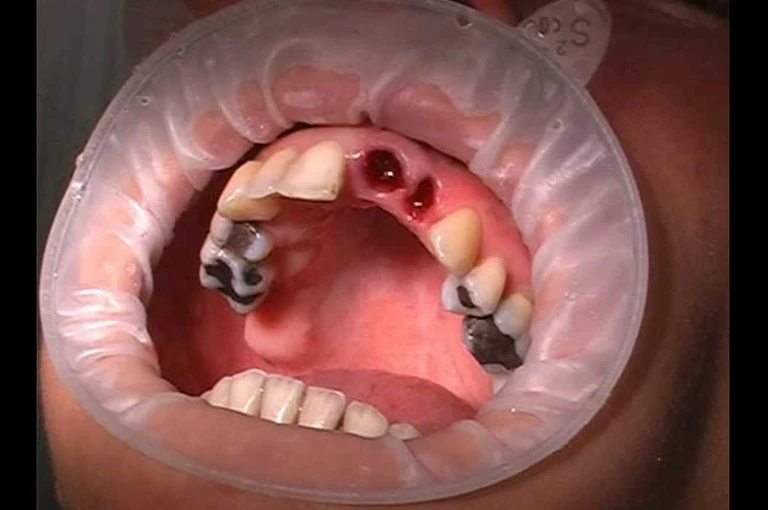
Dry socket, or alveolar osteitis, develops when the blood clot does not form or is lost early. Because bone and nerve endings can be exposed, it causes marked pain. Dry socket is different from a true bacterial infection.
Symptoms usually start between the second and fifth day after the extraction. Pain can become steadily more severe and spread to the ear, temple or neck on the same side. The socket can look empty, or bone may be visible.
A bad taste and bad breath can accompany dry socket. High fever, pus and rapidly spreading swelling, on the other hand, raise the possibility of a bacterial infection. The look of a dry socket alone is not enough for a diagnosis.
Is Swelling Normal After a Tooth Extraction?
Mild to moderate swelling can be normal, especially after surgical extractions. Swelling can peak in the first 48-72 hours. It is then expected to ease gradually over the following days.
Swelling that grows after the third day, becomes hard or spreads toward the neck is not considered normal. If there is fever, discharge or difficulty swallowing, an assessment is needed without delay.
Signs of Infection After Wisdom Tooth Extraction
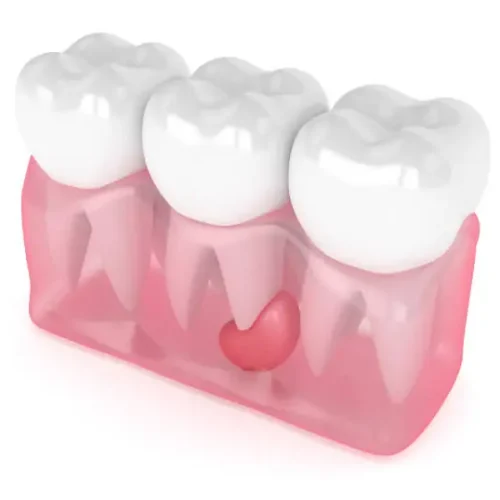
Removing impacted or partly impacted wisdom teeth can involve a larger surgical area. So pain, bruising and swelling can be more noticeable than after simple extractions.
Swelling in the first days does not on its own indicate infection. Steadily increasing pain, pus, a bad odor, fever and feeling generally unwell are warning signs. Pain in the lower jaw spreading to the ear can also occur with dry socket.
What Causes Infection and Dry Socket After a Tooth Extraction?
Failure to protect the clot is an important factor in dry socket. A bacterial infection can be related to other factors, such as microorganisms at the extraction site and the person's health.
- Vigorous rinsing or frequent spitting in the first hours
- Actions that create suction in the mouth, such as using a straw
- Smoking and using other tobacco products
- Poking the extraction site with the tongue, a finger or a foreign object
- A difficult or surgical extraction
- An infection already present in the area before the extraction
- Not being able to keep up oral care as advised
- Conditions or treatments that affect the immune system
Having one of these factors does not mean a complication will definitely develop. The risk and the care plan should be assessed for each person by the dentist.
What Should You Do After a Tooth Extraction?
What to Do in the First 24 Hours
- Hold the gauze in place with light pressure for as long as your dentist advises.
- Do not rinse your mouth vigorously and do not spit frequently.
- Avoid very hot, hard, sharp or grainy foods.
- Choose soft, lukewarm foods. Do not chew on the extraction side.
- Do not use a straw. Stay away from smoking and other tobacco products.
- Do not do heavy exercise. Keep your head slightly raised while resting.
- Apply cold from the outside only in the way your dentist has advised.
Oral Care After the First 24 Hours
- Keep brushing your other teeth, but do not touch the socket.
- If your dentist agrees, rinse gently with warm salt water.
- Do not try to remove food debris with a toothpick, cotton bud or your finger.
- Do not pull at the sutures, and do not skip your review appointment.
The personal instructions you are given come before general advice. Do not stop a blood thinner or any other regular medicine on your own.
What Helps Extraction Pain at Home?
Home care can ease the signs of normal healing. It does not treat dry socket or a bacterial infection on its own. If pain keeps increasing, do not put off an examination.
- Follow the pain control plan your dentist recommends.
- Follow the instructions you were given about applying cold from the outside on the first day.
- Eat soft, lukewarm and nourishing foods.
- Drink enough fluids, but do not use a straw.
- After the first 24 hours, keep up oral care without forcing the extraction site.
- Avoid smoking, tobacco products and alcohol.
Do not use leftover antibiotics at home or take medicines prescribed for someone else. Antibiotics should be used only when necessary and on prescription.
How Is Infection After a Tooth Extraction Treated?
Treatment is planned according to whether the problem is dry socket or an infection. The dentist examines the extraction site. Where needed, imaging is used to check whether a root fragment or another problem remains inside.
Dry Socket Treatment
The socket can be cleaned and irrigated gently by the dentist. A suitable dressing may be placed in the area to control pain. The dressing may need to be changed and healing monitored.
Dry socket does not always require antibiotics. The main aims of treatment are to clean the socket, reduce pain and support tissue healing.
Bacterial Infection Treatment
If pus has collected, drainage, cleaning or management of the infected tissue may be needed. The decision about antibiotics is made by assessing spreading swelling, fever, general condition and the person's medical background.
Starting antibiotics does not replace dealing with the underlying problem at the extraction site. The type of medicine and how long it is used should be decided only on prescription.
How Many Days Does Infection After a Tooth Extraction Take to Heal?
Healing time depends on the type of problem and the treatment given. After treatment for dry socket, pain can ease within a few days. With an infection, how quickly swelling and pain settle depends on the clinical response.
If symptoms increase despite treatment, a further examination is needed. Following the review plan you are given allows healing to be assessed properly.
When Should You Get Emergency Help?
The following signs may be related to infection spreading into nearby tissues or to another complication:
- Difficulty breathing, speaking or swallowing
- Rapidly growing swelling in the floor of the mouth, the neck or around the eye
- High fever, chills or marked weakness
- Increasing difficulty opening the mouth
- Heavy bleeding that does not stop despite pressure
- A change in consciousness or a rapid decline in general condition
With difficulty breathing or swallowing, seek emergency medical care. With the other signs, contact the dentist who carried out the extraction the same day.
Frequently Asked Questions
How many days does an extraction site take to heal?
The gum usually closes within a few weeks. Bone healing in the socket can continue for months, and the timescale varies from person to person.
How long does pain last after a tooth extraction?
Pain is usually most noticeable in the first 48-72 hours and eases afterward. With surgical extractions, sensitivity can last about a week.
Why does the extraction site hurt?
Pain in the first days is mostly due to natural tissue healing. Pain that increases later or spreads to the ear should be assessed for dry socket or infection.
What helps pain after a tooth extraction?
The pain control plan your dentist recommends, a soft diet and appropriate cold application on the first day can bring relief. Increasing pain should not be put off with home measures.
How many days does infection after a tooth extraction take to heal?
The timescale depends on whether it is dry socket or a bacterial infection. After suitable treatment, symptoms are expected to start easing within a few days.
Is a white area in the extraction site normal?
A white or yellowish fibrin layer is usually part of normal healing. If it comes with pain, pus, a bad odor and fever, a dental check-up is needed.
Is swelling normal after a tooth extraction?
Mild to moderate swelling peaking in the first 48-72 hours can be normal. Swelling that grows after the third day, or comes with fever, should be assessed.
Is it dangerous to have an infected tooth extracted?
Tooth extraction is a routine procedure carried out with proper assessment and precautions. However, infections that are left untreated and spread into nearby tissues can be serious; with difficulty breathing or swallowing, get emergency help.