
What helps a tongue sore depends on what caused it. Small canker sores and sores caused by irritation usually heal within one or two weeks. During that time, eating soft foods, drinking cool liquids and avoiding irritating foods can bring relief.
A tongue sore is not the name of a single disease. Canker sores, biting, a sharp tooth edge, infection or certain systemic conditions can all look similar. Sores that last more than three weeks, come back often or become hard should be assessed by a dentist.
What Helps a Tongue Sore?
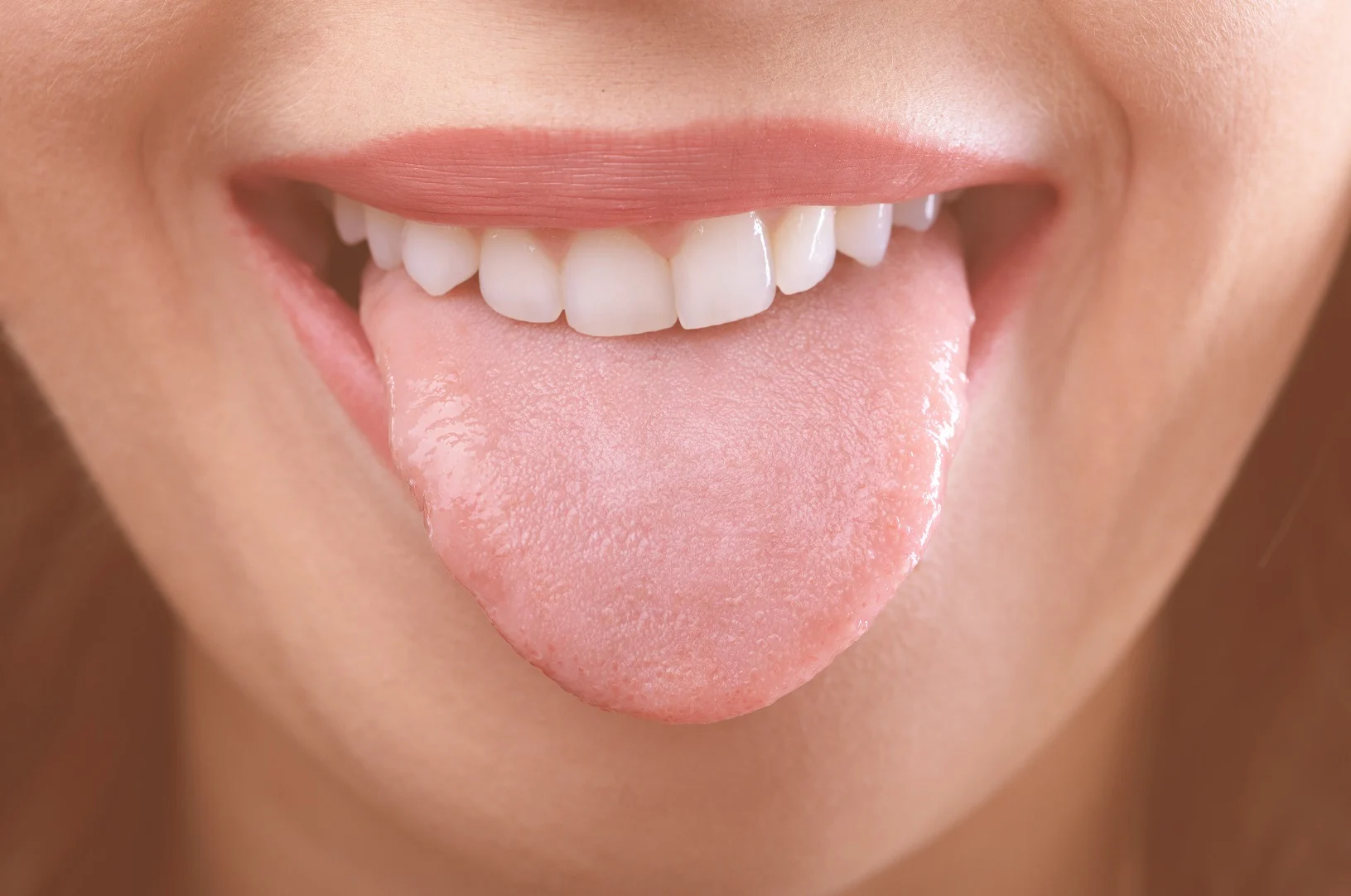
Staying away from irritating foods, eating soft foods, drinking cool liquids, using a soft brush and keeping up oral hygiene can all help a tongue sore. Rinsing with warm, lightly salted water can also soothe it. If the sore keeps coming back or lasts a long time, a dental examination is needed.
- Eat cool, soft foods: Options such as yogurt, purees and warm soup irritate the sore less.
- Limit spicy and acidic foods: Hot spices, citrus fruit, vinegar and fizzy drinks can increase the pain.
- Avoid very hot foods: Hot food can increase existing irritation and cause a new burn.
- Use a soft-bristled toothbrush: Keep up your oral care but do not press hard on the sore.
- Rinse with warm, lightly salted water: You can rinse your mouth gently without swallowing the water. This method should only be used in children who can spit.
- Drink cool water: Coolness can temporarily reduce tongue pain and burning.
- Do not pick at the sore: Pulling, squeezing or scraping it with a sharp object can injure the healing tissue again.
Home care is mostly aimed at easing symptoms. Do not put painkiller tablets, cologne, concentrated salt, garlic or similar substances on the sore. These practices burn the lining of the mouth and can cause a chemical burn.
What Is a Tongue Sore and What Does It Look Like?
A tongue sore is a general term for tissue loss, a crack, a blister or a tender area on the surface or edges of the tongue. One of the most common types is a canker sore. A canker sore is usually a round, painful ulcer with a red border. The center can look white, yellow or gray.
Canker sores and cold sores are not the same thing. A canker sore appears inside the mouth and is not contagious. A cold sore usually appears around the lips as a cluster of fluid-filled blisters. Because appearance is not always distinctive, an examination may be needed.
Not every color change on the tongue is a sore. In geographic tongue, clearly bordered, map-like red areas can form. This condition is usually harmless but can cause sensitivity to spicy foods.
What Causes Tongue Sores?
The most common cause of a sore on the tongue is mechanical irritation. Biting the tongue, hard foods, very hot drinks and sharp tooth edges can all injure the tissue. A broken filling, a poorly fitting denture or an orthodontic appliance can also rub against the same spot repeatedly.
The cause of canker sores cannot always be identified. Genetic predisposition, stress, hormonal changes and small injuries inside the mouth can be triggers in some people. A deficiency of iron, folate or vitamin B12 can also be linked to recurring sores.
Less often, fungal and viral infections, dry mouth or conditions affecting the immune system can cause tongue lesions. Recurring mouth ulcers can be seen in conditions such as celiac disease, inflammatory bowel disease and Behcet's disease.
Mouth sores can also develop while taking certain medications. Do not stop your medication on your own. Tell your doctor about new or more frequent sores, together with the medications you use.
Can Stress Cause Tongue Sores?
In some people who get canker sores, stress can make them start or recur more easily. However, stress alone does not explain every tongue sore. With lesions that keep coming back, trauma, nutritional deficiencies and systemic conditions should also be assessed.
A canker sore is not the same as cancer; it is usually a benign mouth ulcer. Even so, any sore that does not heal should be examined.
Possible Causes by Location and Appearance
| Appearance or location | Possible explanation | Suggested approach |
|---|---|---|
| Painful bump on the tip of the tongue | An irritated taste bud or transient lingual papillitis | Avoid irritation; if it does not settle within a few days, get it examined. |
| A single sore on the side of the tongue | Biting, a sharp tooth, a broken filling or denture contact | Have the area causing the friction checked by a dentist. |
| A white or yellow sore with a red border | A canker sore or a traumatic ulcer | Eat soft foods; if there is no clear improvement in two weeks, get an assessment. |
| A white layer that leaves redness underneath when wiped | Possible oral thrush | See a doctor for a diagnosis and treatment of the cause. |
| A white or red area that does not wipe away | Ongoing irritation or another oral lesion | If the area persists, do not postpone a dental examination. |
| A sore or swelling under the tongue | Trauma, a salivary gland problem or a different lesion | Get examined promptly, especially if it is growing or feels hard. |
What Does a White Sore on the Tongue Mean?
The appearance of a white sore on the tongue gives a clue about the possible cause. The center of a canker sore can be whitish or yellow. There is a red ring around it and it hurts when touched. In sores caused by biting, the healing layer can also look white.
In oral thrush, cream-colored layers can form on the tongue and cheeks. When these layers are wiped away, the tissue underneath can be red, tender and sometimes bleeding. If thrush is suspected, medication should not be used at random.
White areas that do not wipe away, become hard or keep spreading should not be assumed to be canker sores. A dental assessment is needed, especially if there is an accompanying red area, bleeding or numbness. Most white lesions are not serious, but a diagnosis cannot be made on appearance alone.
Why Do Pimple-Like Bumps Appear on the Tongue?
True pimples like those on the skin do not form on the tongue, because the tongue has no oil glands that cause acne. The small bumps mistaken for pimples are usually enlarged or irritated papillae on the tongue.
A single painful red or white bump, especially on the tip of the tongue, may be transient lingual papillitis. It can appear after hot food, biting or local irritation. Most bumps shrink within a few days.
If there are many bumps together with fever, a sore throat or a rash on the hands and feet, the possibility of infection should be assessed. A health professional should also be consulted for fluid-filled, clustered or rapidly spreading lesions.
Is There a Medication for Tongue Sores?

There is no single medication suitable for everyone with a tongue sore. Treatment differs depending on whether the lesion is a canker sore, trauma, a fungal infection or another condition. Choosing a product by name alone can therefore be misleading.
- Protective gels and pastes: By covering the surface of the sore, they can reduce contact with food and temporary tenderness.
- Products containing a local anesthetic: These can be considered on prescription for short-term pain control.
- Antiseptic mouthwashes: In some patients they can be used to support oral hygiene, with guidance from a doctor or pharmacist.
- Topical corticosteroids: These can be used for frequently recurring or marked canker sores, on the prescription of a dentist or doctor.
- Treatment aimed at the cause: For a fungal infection, antifungal treatment is planned only after an examination and on prescription.
Antibiotics are not a routine treatment for canker sores. Vitamin and mineral supplements should be used only when a deficiency has been identified. Using products unnecessarily can mask symptoms or irritate the tissues in the mouth.
How Does a Tongue Sore Heal?
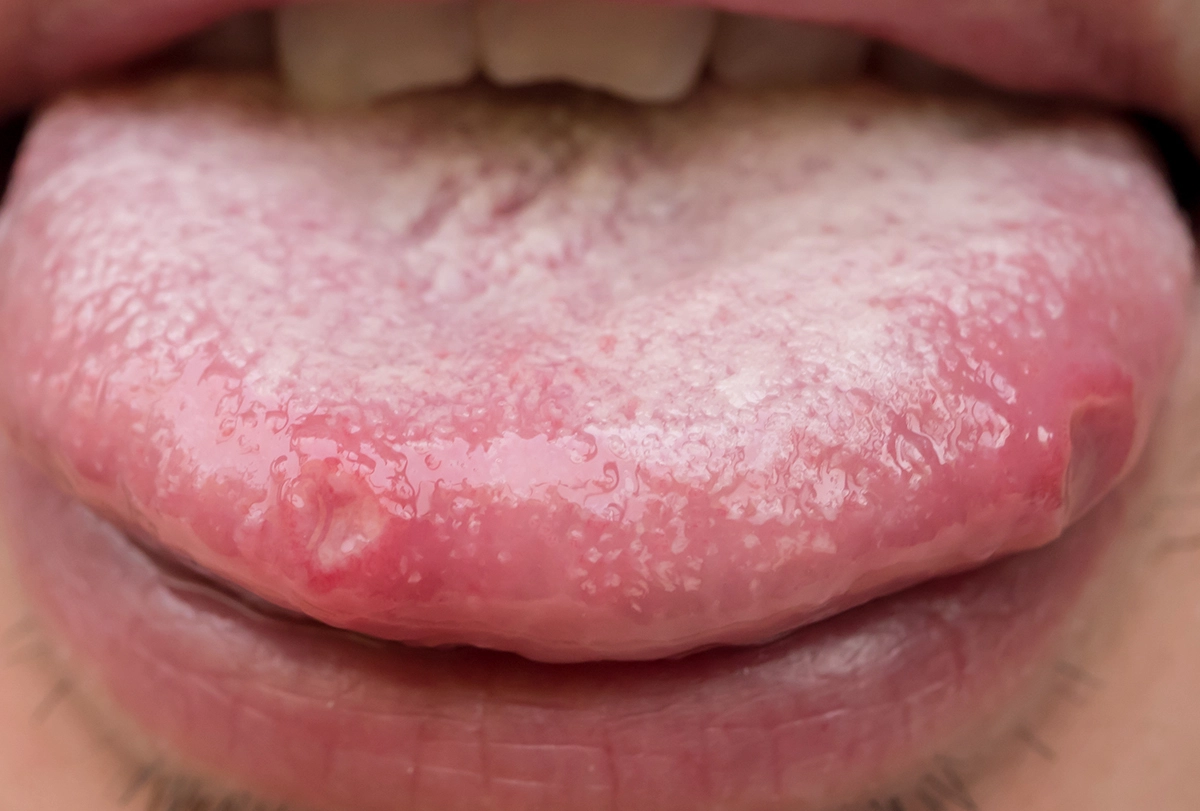
For a tongue sore to heal, the source of irritation must be removed first. If a sharp tooth or broken filling keeps touching the same area, using a gel alone may not be enough. In this situation, which we see often at our clinic, the sore can come back unless the contact point is corrected.
- Note when the sore started and whether you bit or burned the area.
- Eat soft, warm or cool foods for a few days.
- Keep cleaning your teeth with a soft brush.
- If you feel contact from a sharp tooth, filling or denture, see a dentist.
- If the sore keeps recurring, bear in mind that blood tests may be needed after a medical assessment.
- Have any sore that lasts more than three weeks or changes in appearance examined without delay.
Small canker sores usually heal without scarring. Large, deep or multiple ulcers can take longer. How often they recur and the accompanying symptoms help in investigating the cause during an examination.
When Should You See a Dentist?
Most mouth sores do not have a serious cause. Even so, an assessment by a dentist or the relevant doctor is needed with the following signs:
- A sore lasting more than three weeks
- No clear shrinking or healing within two weeks
- A sore that keeps recurring in the same place
- A lesion that is hard, has irregular edges, bleeds easily or keeps growing
- A white or red area that does not wipe away
- Unexplained swelling in the tongue, lip or neck
- Difficulty swallowing, chewing, speaking or moving the tongue
- Persistent numbness or pain in the mouth
- High fever, widespread blisters or being unable to take fluids
- Sores accompanied by eye, skin or genital symptoms
Sudden, rapid swelling of the tongue, shortness of breath or a feeling of tightness in the throat needs urgent assessment. With these signs, get emergency help without waiting.
Tongue Sores in Babies and Children
A white tongue in a baby does not always mean there is a sore. A layer of milk left after feeding wipes away easily. White layers that do not wipe away, similar areas inside the cheek and fussiness during feeding can suggest oral thrush.
Teething on its own is not a typical cause of tongue ulcers. However, a baby biting hard toys or putting unsuitable objects in the mouth can cause irritation. Oral gels made for adults should not be used in children without medical advice.
If a baby cannot feed, passes less urine, has a fever or has widespread blisters in the mouth, a pediatrician should be consulted. In children with recurring mouth sores, nutritional deficiencies and other conditions can be investigated.
How Can You Reduce Recurring Tongue Sores?
- Clean your teeth with a soft-bristled brush without injuring the tissue.
- Have a broken tooth, a sharp filling or a poorly fitting denture checked by a dentist.
- Keep a food and symptom diary to identify your own triggers.
- Eat a balanced diet; have a deficiency assessment before taking supplements.
- Drink enough water and cut down habits that cause dry mouth.
- During stressful periods, pay attention to your sleep routine and rest.
- If you get canker sores often, ask your dentist about toothpastes without sodium lauryl sulfate.
The appearance, duration and recurrence of a tongue sore all matter for diagnosis. Photographing the sore on different days can help you track changes. A photograph does not replace an intraoral examination.
Frequently Asked Questions
How many days does a tongue sore take to heal?
Small canker sores and sores caused by irritation usually heal within one or two weeks. Sores lasting more than three weeks should be assessed by a dentist.
Can stress cause sores on the tongue?
Stress can make sores start or recur more easily in people prone to canker sores. However, with persistent sores, other causes should also be investigated.
How does a sore on the tip of the tongue heal?
Avoiding irritating foods, drinking cool liquids and not picking at the area can bring relief. A bump or sore that does not settle within a few days should be examined.
Is a white sore on the tongue dangerous?
A painful canker sore with a white center is usually not serious. White areas that do not wipe away, become hard, grow or last more than three weeks need to be examined.
Can you get pimples on your tongue?
True pimples like those on the skin do not form on the tongue. The small bumps mistaken for pimples are usually irritated papillae on the tongue.
Can medication be used for a tongue sore?
Protective products or topical medication given on prescription can be used in some cases. The product should be chosen according to the cause of the sore.
How do tongue sores heal in babies?
Oral products made for adults should not be used on babies. If there is a white layer that does not wipe away, difficulty feeding, fever or widespread sores, see a pediatrician.
Are tongue sores contagious?
Canker sores and tongue sores caused by trauma are not contagious. However, different precautions may be needed with some viral or fungal lesions.