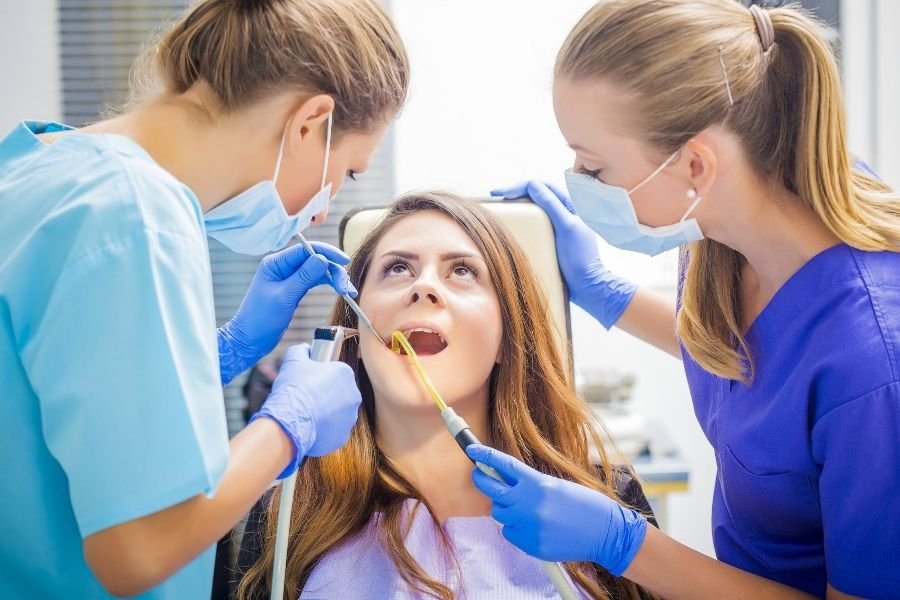
A denture is an artificial tooth system made to restore the function and appearance of missing or severely damaged teeth. It is also commonly called a false tooth or an artificial tooth.
A new-generation denture is not the name of one single denture type. The phrase covers dentures that are designed digitally, supported by implants or produced with current materials. The method to be used is decided after an oral examination and a radiographic assessment.
What Is a Denture?
Dentures are used to fill the gaps left when one or more teeth are lost. Some dentures can be taken out of the mouth, while others are fixed to natural teeth or to implants.
The aim of denture treatment is not only to complete the look of the teeth. Functions such as chewing, speech and lip support are also considered in the treatment plan. Protecting the remaining teeth, the gums and the jawbone matters.
Not every case of tooth loss is treated with the same denture. The number of missing teeth, the bone structure, the bite relationship and the person's cleaning habits all affect the choice.
Why Does Tooth Loss Happen and What Problems Can It Cause?
Common causes of tooth loss include advanced decay, gum disease, trauma and tooth fractures that cannot be treated. Congenitally missing teeth can also occur.
Missing teeth can change the chewing pattern over time. Neighboring teeth may tilt into the gap and the tooth in the opposing jaw may over-erupt. Losing many teeth can also affect speech and facial support.
- Difficulty chewing in certain areas
- Trouble producing some sounds while speaking
- Drifting of neighboring teeth
- Loss of balance in the bite
- A gradual decrease in bone volume in toothless areas
What Are the Types of Dentures?
Dentures can broadly be classified as fixed, removable and implant-supported options. More than one method may be used together in the same mouth.
| Denture Type | Main Feature | When Is It Considered? |
|---|---|---|
| Fixed denture | Not removed by the patient | Damage to a single tooth or limited tooth loss |
| Removable partial denture | Supported by the remaining teeth and tissues | Mouths where several teeth are missing |
| Complete denture | Rests on the soft tissues of a toothless jaw | Loss of all teeth in one jaw |
| Implant-supported removable denture | Implant attachments add to retention | Full tooth loss with complaints of denture movement |
| Implant-supported fixed denture | Fixed onto implants | Tooth loss with suitable bone and tissue conditions |
Fixed Dentures
Crowns, bridges and implant-supported crowns belong to the fixed denture group. A crown can surround a tooth that has lost a large amount of structure. A bridge fills the gap of a missing tooth by taking support from the neighboring teeth.
With implant-supported crowns, the support comes from an implant placed in the jawbone. Which option is considered depends on the condition of the supporting tissues.
Removable Partial and Complete Dentures
A removable partial denture can be used when some natural teeth are still present. The denture may take support from the teeth, from the gums or from both.
A complete denture is made when no natural teeth are left in a jaw. Retention depends on the fit of the denture, the saliva, muscle control and the shape of the jawbone.
Implant-Supported Dentures
Implant-supported dentures may be fixed or removable. Implants can especially help to improve the retention of a removable denture. However, surgical suitability, the amount of bone and general health must be assessed together.
What Is a New-Generation Denture?
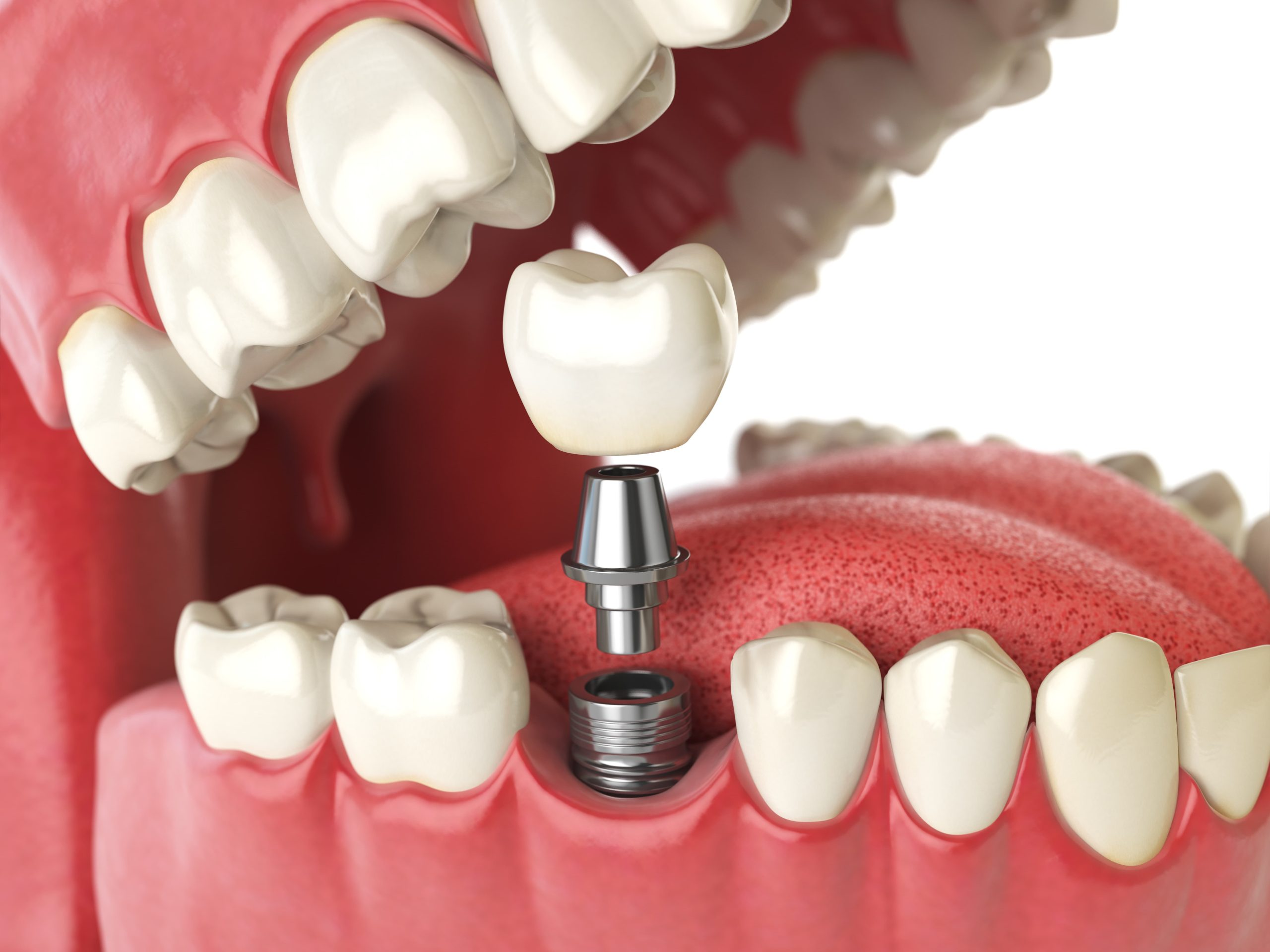
The phrase new-generation denture mostly refers to digital impressions, computer-aided design and current production methods. Implant-supported dentures and dentures made of thermoplastic materials may also be mentioned under this heading.
Using new technology does not mean that every denture will be more successful than one made with traditional methods. Scientific studies show that digital complete dentures give results comparable to traditional dentures in terms of overall satisfaction.
Digital Impressions and CAD/CAM Production
In suitable cases, a digital record can be taken with intraoral scanners. The denture can be prepared with computer-aided design and manufacturing systems. In some situations, classic impression methods are still needed.
Digital records can help to store the denture design. If the denture breaks or is lost, these records may make the production process easier. Even so, a new examination and impression may be required.
Flexible Dentures and Soft Liners
Flexible thermoplastic dentures are mostly considered for removable partial dentures. Reducing the visible metal clasps can be an esthetic option for some people.
A flexible structure is not suitable for every patient. The forces transferred to the supporting tissues, the possibility of repair and long-term care must be taken into account. Current scientific evidence on long-term superiority over traditional dentures is limited.
A soft liner is a different material applied to the surface of the denture that touches the tissue. It is sometimes called a silicone denture. However, not every flexible denture is made of silicone.
What Is a Palateless Denture?
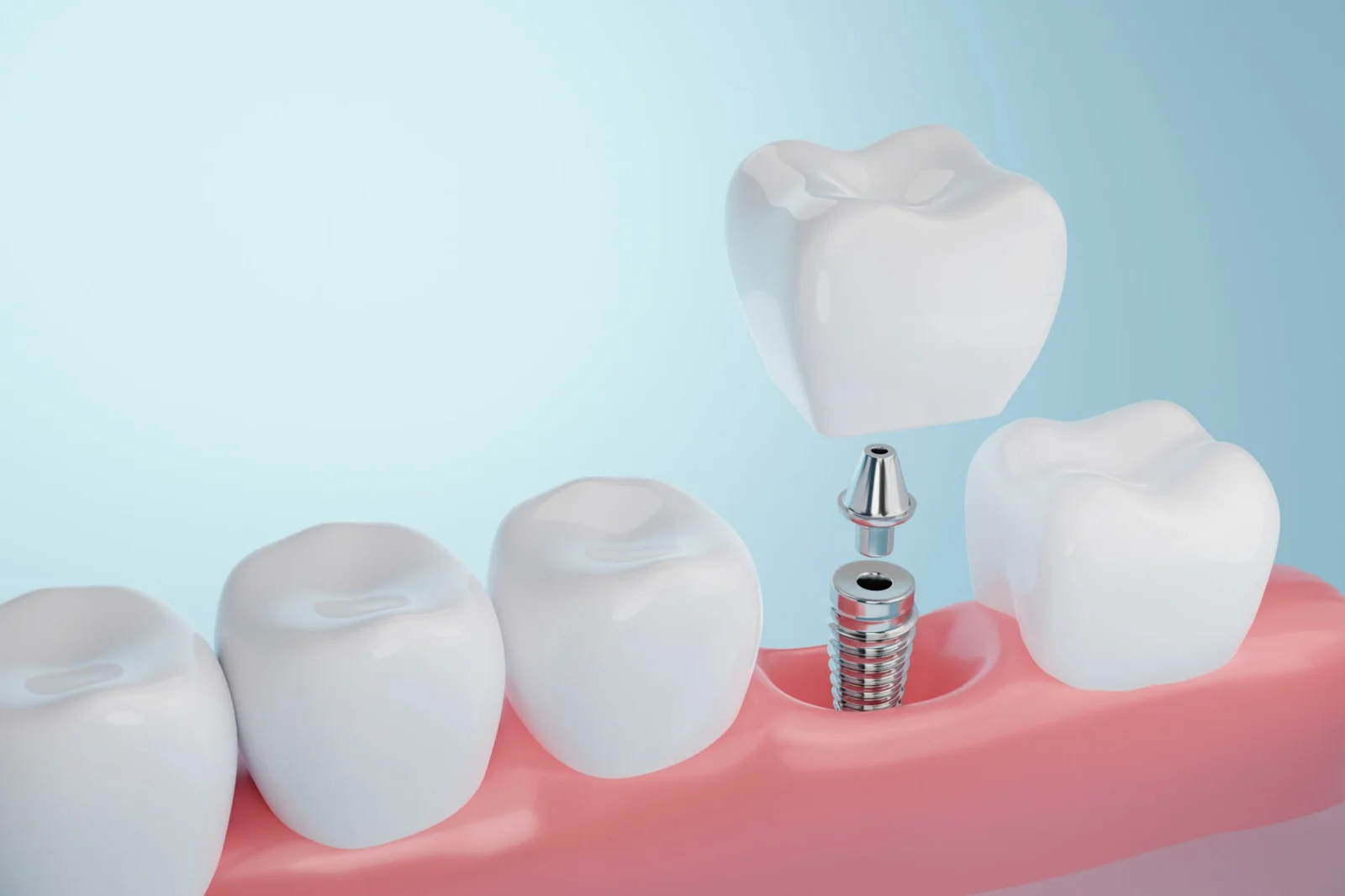
A palateless denture is not a standard, single medical denture name. The phrase is generally used for implant-supported removable dentures that cover less of the palate in the upper jaw. Implant-supported fixed full-arch dentures can also be described as palateless.
A traditional upper complete denture covers part of the palate for retention. If enough implant support can be provided, the palatal extension of the denture can be reduced in some designs. This offers a different option for people who have complaints about taste, speech or gagging.
Removing the palatal section is not possible in every case. The number and position of the implants, the bone structure, the bite forces and cleaning ability all affect the decision. Lower jaw dentures do not cover the palate anatomically.
Which Denture May Be Suitable for You?
The choice of denture should not be made on looks or price alone. One situation we often see in our clinic is that complaints of a loose denture have different causes. Sometimes the fit of the denture matters, and sometimes a change in the supporting tissues does.
- The number of missing teeth and their position in the mouth
- The health of the remaining teeth and gums
- The volume of the jawbone
- Chewing and clenching forces
- Manual dexterity and oral care habits
- General health and surgical suitability
- The function and appearance expected from the denture
During the examination, the tissues inside the mouth are inspected. If needed, an X-ray or three-dimensional imaging is requested. Based on the findings, the benefits and limits of the alternatives are explained.
How Does the Denture Process Work?
- Examination and planning: The teeth, gums, jawbone and bite are assessed.
- Impression or digital scan: A record of the oral structure is taken. Some dentures need more than one impression.
- Bite registration: The relationship between the lower and upper jaw is determined.
- Try-in: The shape and arrangement of the teeth, speech and the bite are checked.
- Delivery: The fit of the denture in the mouth is assessed and care instructions are given.
- Follow-up: If there is a sore spot, pain or a bite problem, the necessary adjustments are made.
The time needed varies with the type of denture, the need for tooth extraction and the laboratory stages. In treatments that include implants, a healing period may also be planned.
Getting Used to a New Denture
In the first days the denture may feel bulky or foreign. An increase in saliva, changes in speech and difficulty chewing hard foods may occur. These complaints usually decrease with use and follow-up visits.
Starting with soft foods and spreading bites to both sides can make adaptation easier. Reading short texts out loud can help with speech.
If a sore spot develops, the denture should not be filed down at home. The painful area needs to be seen by a dentist.
When Should You See a Dentist?
The denture and the oral tissues need to be checked in the following situations:
- Pain or a sore that does not go away
- Marked redness or bleeding under the denture
- Clicking while speaking or the denture coming loose
- Constant movement during chewing
- A crack, fracture or missing artificial tooth in the denture
- Burning or white lesions together with a bad odor
- Facial swelling, fever or difficulty swallowing
Swelling, fever, and difficulty swallowing or breathing in particular should be assessed without delay. The pieces of a broken denture should be kept, and household glue should not be used.
How Should Dentures Be Cleaned?
Removable dentures should be cleaned every day. Food debris and plaque build-up can contribute to bad breath and tissue irritation.
- Rinse the denture with water after meals.
- Use a soft denture brush and a suitable cleaner.
- Do not apply abrasive toothpastes to the denture surface.
- Clean the denture over a sink filled with water or over a towel so it does not break if dropped.
- Brush the remaining teeth, the tongue and the gums regularly.
- Take the removable denture out at night unless your dentist says otherwise.
- Do not put the denture in hot water; heat can distort its shape.
With implant-supported dentures, cleaning around the implants is especially important. Depending on the type of denture, an interdental brush or other care tools may be recommended.
Denture Prices 2026
Denture prices vary with the type of denture, whether it covers a single tooth or a whole jaw, and the attachments used. Preliminary treatments, implant surgery and additional procedures can affect the total fee.
The ranges below are the amounts excluding and including VAT in the Turkish Dental Association's 2026 guide fee schedule, in Turkish lira (TL). They are not our clinic's prices. They are for information only; the final fee is set after an examination.
| Procedure | Scope | 2026 TDB Guide Range |
|---|---|---|
| Acrylic complete denture | One jaw | 29,000–31,900 TL |
| Acrylic partial denture | One jaw | 27,900–30,690 TL |
| Metal-reinforced complete denture | One jaw | 36,000–39,600 TL |
| Removable denture with precision attachments | One jaw, attachment fee not included | 36,500–40,150 TL |
| Implant-supported removable denture | One jaw, attachment fee not included | 37,000–40,700 TL |
| Temporary acrylic denture | One jaw | 20,259–22,285 TL |
| Zirconia crown | Single tooth | 12,500–13,750 TL |
| Ceramic crown on an implant | Single tooth, abutment fee not included | 12,436–13,680 TL |
There is no separate, single line for a palateless denture in the fee schedule. The total fee is calculated according to the implants, the attachments and the denture design chosen.
The answer to "how much does it cost to get teeth?" also depends on the number of missing teeth. A single crown and a full-arch removable denture do not cover the same work. For this reason, comparing on a single general price can be misleading.
Why Is an Examination Necessary When Choosing a Denture?
Being able to use a denture comfortably is linked to correct planning and regular check-ups. Current production technologies increase the options, but the basic criterion is how well the denture suits the oral tissues.
If you have lost teeth, have a loose denture or are hoping for a palateless denture, a dental examination is needed. The examination allows the fixed and removable options to be compared for your own circumstances.
Frequently Asked Questions
What is a denture?
A denture is an artificial tooth system made to restore the function and appearance of missing or severely damaged teeth. It may be fixed, removable or implant-supported.
What does new-generation denture mean?
New-generation denture is not the name of a single product. It is a general term for dentures that are designed digitally, supported by implants or produced with current materials.
Who can have a palateless denture?
Palateless designs mostly come up for people with no teeth at all in whom implant support can be considered. The bone structure, implant position, bite and oral hygiene should be assessed during the examination.
What is a new-generation silicone denture?
The term silicone denture is generally used for flexible thermoplastic dentures or dentures with soft liners. These are not the same application and may not be suitable for every patient.
How much do dentures cost in 2026?
The TDB 2026 guide fee schedule lists a range of 29,000–31,900 TL excluding and including VAT for a single-jaw acrylic complete denture. This is for information only; the final fee is set after an examination.
Should a removable denture be taken out at night?
Unless your dentist advises otherwise, it is recommended to take a removable denture out at night. This helps the oral tissues to rest and the denture to be cleaned.
How long does it take to get used to new false teeth?
The adaptation period varies from person to person and can take a few weeks. Pain, a sore that does not heal or a moving denture calls for a follow-up appointment.
What should be done if a denture causes pain?
The denture should not be cut or filed at home. The painful area and the fit of the denture should be assessed by a dentist.
Sources
- Turkish Dental Association (TDB) 2026 Guide Fee Schedule
- American Dental Association — Denture Care and Maintenance
- NHS — Dentures
- CAD/CAM Versus Traditional Complete Dentures: Systematic Review and Meta-Analysis
- Flexible Dentures for Edentulism: Health Technologies
- World Health Organization — Oral Health