
After a tooth extraction, wait until the local anesthetic has completely worn off before eating. For most people this takes about 2-6 hours. You can then start with soft foods that are warm or cool.
For the first 24-48 hours, avoid hard, crunchy, sticky and very hot foods. As chewing becomes more comfortable, you can return to a normal diet step by step. After a surgical extraction or one with stitches, the soft-food period can be longer.
How Many Hours After a Tooth Extraction Can You Eat?
After an extraction, you can usually eat once the anesthetic has worn off, within about 2-6 hours. The exact time depends on the anesthetic used and the extent of the procedure. Eating while you are still numb can make you bite your lip, cheek or tongue without noticing.
Even once the anesthetic has worn off, your first meal should not be a hard one. Start with options that need little chewing, such as yogurt, mashed potato, cooled soup or soft eggs. Use the side away from the extraction if you can.
| Period | Diet Advice | What to Avoid |
|---|---|---|
| First 2-6 hours | Wait until the numbness has fully worn off. Sip water in small amounts if needed. | Solid food, hot drinks, straws and chewing on the numb side |
| First 24 hours | Eat soft, smooth foods that are warm or cool. | Hard, crunchy, spicy, acidic and very hot foods |
| 24-48 hours | As you feel comfortable, add soft pasta, eggs and well-cooked vegetables. | Nuts, seeds, chips, popcorn and sticky foods |
| After the second day | As pain and chewing difficulty ease, move gradually back to a normal diet. | Foods that cause pain or bleeding at the extraction site |
These timings are general information. The personal instructions your dentist gives after the procedure take priority. If sedation or general anesthesia was used, follow the discharge advice as well.
Why Wait for the Anesthetic to Wear Off Before Eating?
The blood clot that forms at the extraction site helps the wound start to heal. Hard chewing, strong sucking and very hot food can irritate the area. Bleeding can start again, or the clot can be dislodged.
While you are numb, it is also hard to judge the temperature of food correctly. That can cause burns to the tissues in your mouth. At our clinic, we remind patients to check that the numbness has fully worn off before their first meal.
Food List for After a Tooth Extraction
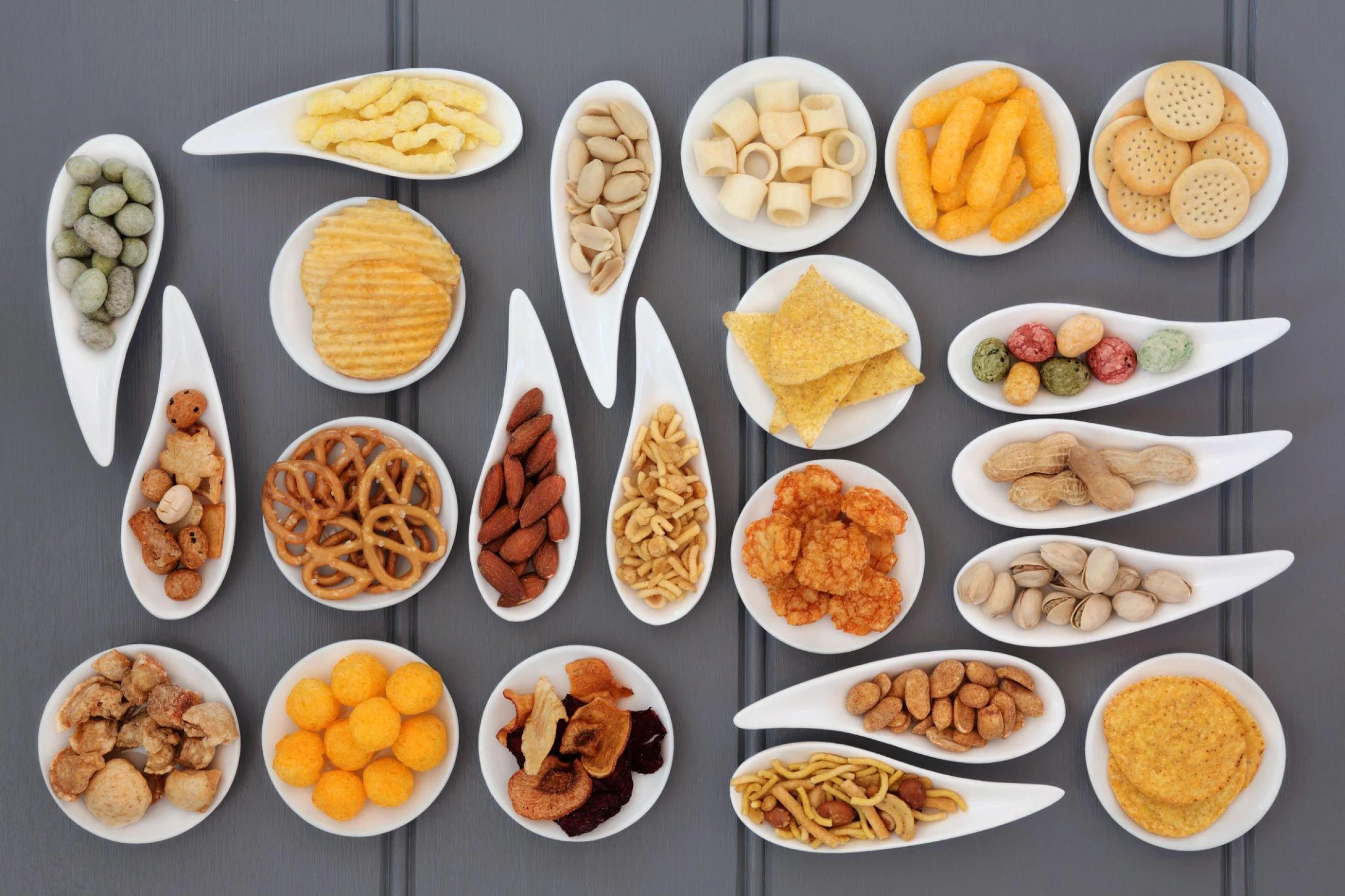
For your first meals, choose smooth, nourishing foods that need little chewing. They should not be too hot, and they should not contain small, hard pieces that could get into the socket.
| Suitable | Avoid or Postpone |
|---|---|
| Yogurt and smooth dairy products | Chips, crisps, toast and hard crackers |
| Potato, zucchini or carrot puree | Hazelnuts, peanuts, seeds and other nuts |
| Cooled soup, smooth or blended | Popcorn, sesame and other small-grained foods |
| Soft omelet or scrambled eggs | Chewing gum, caramel products and sticky sweets |
| Mashed banana or avocado | Hot, heavily spiced and very acidic foods |
| Well-cooked soft pasta and vegetables | Tough meat, raw vegetables and foods that need long chewing |
| Smooth smoothies, from a spoon or a glass | Drinks taken through a straw |
| Soft-cooked boneless fish | Very hot soup, tea or coffee |
What Can You Eat in the First 24 Hours?
On the first day, yogurt, purees, cooled soup, mashed banana and soft eggs are good choices. If you have a smoothie, do not use fruit with seeds, and avoid a straw. Sucking can affect the blood clot.
Eat in small portions and slowly. Do not chew on the side of the extraction. If pain or fresh bleeding starts while you are eating, stop and check the area.
What Can You Eat After 24-48 Hours?
If your discomfort is easing, you can move on to options such as well-cooked pasta, soft vegetables, eggs and fish that flakes easily. Rather than going back to hard foods all at once, increase the texture gradually.
If you feel pain while chewing, stay with soft foods a while longer. The speed of healing varies with the tooth removed, how difficult the procedure was and your personal health.
Can You Eat Ice Cream After a Tooth Extraction?
After an extraction, plain ice cream without pieces in it can be eaten in small amounts, if the cold is not uncomfortable. Letting it soften a little can reduce sensitivity. Ice cream is not essential for healing, and it is not the only option.
Do not choose varieties with nuts, biscuit, hard chocolate or sticky caramel. Avoid sucking on ice cream. Take small spoonfuls and try to keep it away from the extraction site.
How Should You Eat After a Tooth Extraction?
- Wait until the anesthetic has completely worn off.
- Make your first meal a small portion of a soft food.
- Have food warm or cool, not hot.
- Chew on the other side of your mouth if you can.
- Do not use a straw and do not suck strongly on food.
- Do not push food toward the extraction socket.
- Do not rinse forcefully or spit for the first 24 hours after eating.
Drinking enough water matters. Drink it from a glass, in small sips. Avoid fizzy, alcoholic or very hot drinks in the early period.
What Should You Not Eat After a Tooth Extraction?
Hard, sharp foods can irritate the extraction area. Small pieces can get into the socket and make cleaning harder. That is why chips, seeds, nuts, crisp foods and popcorn should be postponed in the first days.
Foods with chili, heavy spices, lemon or vinegar can sting sensitive tissue. Chewing gum and sticky sweets can also increase the chewing load. Very hot food and drinks can trigger bleeding.
Cigarettes and other tobacco products can delay healing and increase the risk of complications. It is recommended that you avoid them for at least the first 48 hours, and for longer if possible. Alcohol should also be avoided for the first 24-48 hours.
What to Eat After a Wisdom Tooth Extraction
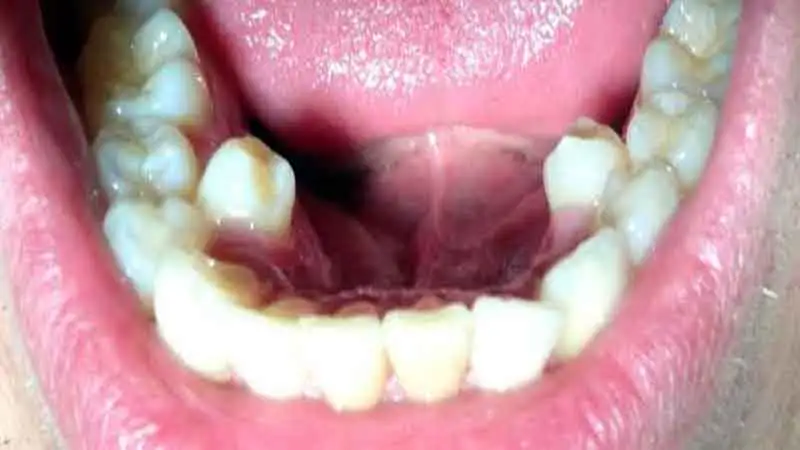
Removing a wisdom tooth can require a surgical procedure. Limited jaw movement, swelling and difficulty chewing can be more noticeable than after a simple extraction. For that reason, you may need to keep to soft foods for a few days.
On the first day, purees, yogurt, cooled soup and soft eggs are good choices. Over the following days, as pain eases, you can add pasta, well-cooked vegetables and soft fish. Base the move to harder foods on how comfortable chewing feels, not on a set day.
Because the wisdom tooth area is at the back of the mouth, it can be hard to notice food collecting there. Do not rinse the area in the first 24 hours. On the following days, clean gently as your dentist advises.
Eating After a Surgical Extraction or One With Stitches
With stitches, the aim is to eat without straining them or irritating the surgical site. Large mouthfuls, opening wide and foods that need long chewing can increase discomfort. Eating slowly in small bites is more suitable.
If an implant or bone graft was placed in the same session as the extraction, standard advice may not be enough. Follow the instructions your dentist gave about which side to use, what texture to eat and for how long. Do not chew directly over the area.
Having stitches does not mean the socket is fully protected from food. Nuts, seeds and hard crumbs can collect around the stitches. Postpone these foods until your check-up appointment, or until your dentist says it is fine.
How to Care for Your Mouth After Eating
For the first 24 hours, do not rinse forcefully, do not spit and do not touch the extraction area with your tongue. You can brush your other teeth carefully. Do not let the brush touch the socket or the stitches directly.
After the first 24 hours, unless your dentist says otherwise, you can rinse gently with warm salt water. Instead of swishing forcefully, move the liquid gently around your mouth. Use prescribed medicines only as your dentist has instructed.
What Should You Do If Bleeding Starts After Eating?
A slight pink tinge in your saliva can be normal in the early period. If fresh bleeding starts, stop eating and bite on clean gauze over the area as your dentist has described. Do not lift the gauze frequently to check.
Contact your dentist about heavy bleeding that does not stop despite pressure. Avoid hot drinks, heavy exercise, forceful rinsing and spitting, as these can increase bleeding.
Which Signs Mean You Should See a Dentist?
In the first days, mild pain, swelling, jaw stiffness and slight oozing can occur. These complaints are expected to ease over time. A dentist's assessment is needed with the following signs:
- Heavy bleeding that does not stop despite pressure
- Severe pain that clearly increases after one or a few days
- Ongoing pain with a bad taste or bad smell in the mouth
- Swelling that keeps growing, fever or discharge of pus
- Symptoms that do not settle despite the prescribed pain control
- Difficulty swallowing or breathing
- Marked numbness lasting longer than expected, or newly developing
Pain that starts one to three days after the extraction and steadily worsens can be linked to a complication such as dry socket. For a diagnosis, the extraction site needs to be assessed by a dentist.
Frequently Asked Questions
How many hours after a tooth extraction can you eat?
You can eat once the local anesthetic has completely worn off, within about 2-6 hours for most people. Choose soft foods that are warm or cool for the first meal.
What can you eat after a tooth extraction?
Yogurt, purees, cooled soup, soft eggs, mashed banana and well-cooked pasta are good choices. Keep to foods that need little chewing for the first 24-48 hours.
Can you eat ice cream after a tooth extraction?
Plain, smooth ice cream that has softened a little can be eaten in small amounts. Avoid varieties containing nuts, biscuit or caramel pieces.
What happens if you eat too soon after an extraction?
Eating while numb can lead to biting your lip or tongue and to burns from hot food. Hard chewing or sucking can affect the blood clot and increase the risk of bleeding.
Can you drink tea or coffee after a tooth extraction?
Avoid very hot tea and coffee on the first day. After the anesthetic has worn off, let the drink cool to lukewarm and do not use a straw.
How many days should you eat soft food after a wisdom tooth extraction?
Soft or liquid foods can be more comfortable for the first few days. Move back to a normal diet gradually, based on pain, swelling and how comfortable chewing is.
How should you eat after an extraction with stitches?
Take small bites, chew on the other side of your mouth and avoid hard foods that would strain the stitches. The personal advice of the dentist who did the procedure takes priority.