
After a wisdom tooth extraction, pain is more noticeable for the first two or three days in most people. It is then expected to ease gradually. Swelling usually peaks at 48-72 hours. In most people it goes down noticeably within five to seven days.
Protecting the blood clot in the socket during the first 24 hours is important. You should contact your dentist if you have worsening pain, bleeding that will not stop, fever or a bad taste. Healing can take longer after impacted or surgical extractions.
What Is Normal After Wisdom Tooth Extraction?
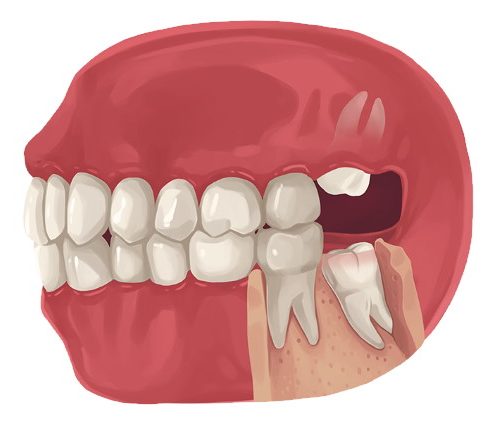
After a wisdom tooth is removed, the body starts to repair the tissues in the area. During this process you may have slight oozing of blood, pain and swelling. You may also find it hard to open your jaw or notice bruising on your cheek.
The usual findings in the first days are:
- Mild to moderate pain and tenderness
- Pink or slightly bloody saliva on the first day
- Cheek swelling that may increase on the second and third day
- Temporary stiffness in jaw movement
- Discomfort while chewing
- Slight bruising around the cheek or jaw
- A feeling of tightness at the suture site
How strong the symptoms are depends on how difficult the extraction was and on your own healing. More tenderness can be expected after the surgical removal of impacted teeth in the lower jaw.
How Long Does Pain Last After Wisdom Tooth Extraction?
Pain after a wisdom tooth extraction usually eases noticeably within three to seven days. It can be more intense for the first two or three days. Mild tenderness may continue for up to two weeks, especially after surgery for an impacted tooth.
Pain decreasing a little each day is a good sign of healing. The difficulty of the extraction, the number of teeth removed and any existing infection can affect the healing time. Smoking and poor oral hygiene can also prolong it.
Use the painkillers recommended by your dentist exactly as directed. Do not change the amount or duration on your own decision. Antibiotics should be used only if your dentist considers them necessary and on prescription.
If pain starts to ease and then flares up again, something other than normal healing may be going on. Pain radiating to the ear or temple in particular should be assessed.
When Does Wisdom Tooth Swelling Go Down?
Swelling mostly begins within the first 24 hours after surgery. It can peak on the second or third day. After that it is expected to decrease gradually and go down noticeably within about a week.
After surgical extractions, mild swelling and bruising can persist for up to two weeks. A cold compress applied from the outside can help control swelling on the first day. Do not place the compress directly on the skin, and follow your dentist's advice.
Swelling that keeps growing after the third day needs a check-up. If it comes with fever, pus, a bad taste or general fatigue, contact your dentist without delay.
How Many Days Does It Take a Wisdom Tooth Extraction to Heal?
Most people can return to daily life within a few days. However, it can take a few weeks for the surface of the socket to close. Remodeling of the jawbone continues for months.
| Period | What Can Be Expected | Care Focus |
|---|---|---|
| First 24 hours | Slight oozing of blood, numbness and pain may start. | Protecting the blood clot and resting |
| 2-3 days | Pain and swelling may reach their peak. | Following advice and not straining the area |
| 4-7 days | Swelling and pain are expected to ease gradually. | Gentle oral care and a suitable diet |
| 1-2 weeks | Jaw stiffness and tenderness may largely settle. | Returning to your normal routine in a controlled way |
| 2-4 weeks | The gum gradually closes over the socket. | Keeping the area clean |
| Following months | Remodeling continues in the jawbone. | Attending any planned check-ups |
These periods are approximate. Your age, general health and the scope of the extraction affect healing. For your own case, the explanations of the dentist who performed the procedure come first.
What to Do in the First 24 Hours
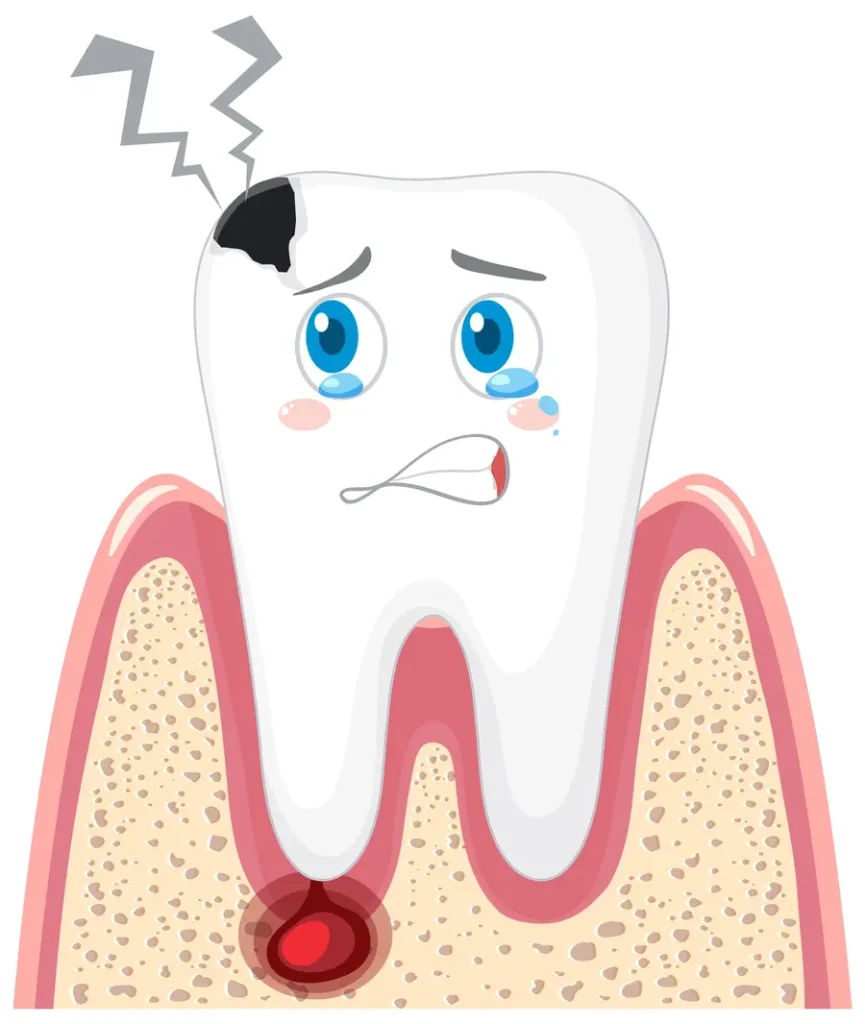
The clot that forms in the extraction site helps protect the bone and tissues beneath it. The main aim on the first day is to keep this clot from coming loose.
- Hold the gauze for the recommended time: Remove the gauze placed after the procedure at the time your dentist tells you.
- Do not rinse your mouth vigorously: Harsh rinsing or frequent spitting on the first day can dislodge the clot.
- Do not use a straw: The suction created by a straw can affect the clot in the socket.
- Avoid hot foods: Until the numbness wears off, hot foods can increase the risk of burns and bleeding.
- Do not touch the extraction site: Do not check the area with your tongue, finger or any object.
- Rest physically: Heavy lifting, bending and intense exercise on the first day can increase bleeding.
- Do not smoke or use tobacco: Tobacco products can delay healing and increase the risk of dry socket.
- Do not drink alcohol: Alcohol can be unsafe in terms of bleeding and drug interactions.
If there is slight oozing, you can apply continuous pressure to the area with clean gauze. If the bleeding does not stop, contact the dentist who performed the procedure. Do not stop a blood thinner on your own decision.
What Should Care Be Like After the First Day?
Oral Hygiene
After the first 24 hours you can brush your teeth carefully. Do not press the brush directly into the socket or onto the sutures. Keeping up oral hygiene reduces the build-up of food debris.
If your dentist considers it suitable, you can rinse gently with warm salt water. Do not swish forcefully or spit under pressure. Use prescribed oral care products only as advised.
Eating
In the first days, choose warm or cool, soft foods that are easy to chew. Drink enough fluids. If possible, chew on the side opposite the extraction.
Hard, crunchy, very hot or spicy foods can irritate the area. Nuts, seeds and small grains can get into the socket. Return to your normal diet gradually, as you feel comfortable.
Activity and Daily Life
After a simple extraction, you can return to light daily tasks the next day. Surgery for an impacted tooth may require a few days of rest. Go back to heavy exercise only once pain and bleeding are fully under control.
If sedation or general anesthesia was used, follow the instructions you were given about driving. Do not drive while dizziness or drowsiness continues.
Sutures
Dissolvable sutures usually disappear on their own within a few weeks. Do not pull or try to cut a suture. For sutures that need removing, keep to the check-up date you were given.
Differences After Impacted and Non-Surgical Wisdom Tooth Extraction
Not every wisdom tooth extraction has the same scope. A tooth that has fully erupted in the mouth can in some cases be removed with a simple extraction. Impacted teeth may require work on the gum or reshaping of the surrounding bone.
| Feature | Simple Extraction | Surgery for an Impacted Tooth |
|---|---|---|
| Scope of the procedure | The erupted tooth is removed with extraction instruments. | The gum and, if needed, the surrounding bone are worked on. |
| Pain and swelling | Usually more limited. | Can be more noticeable in the first days. |
| Return to daily life | Most of the time it is shorter. | A few days of rest may be needed. |
| Follow-up | Routine advice is followed unless there are complaints. | A check-up may be planned for sutures or the surgical site. |
With both types of procedure, healing varies from person to person. The position of the impacted tooth, its root anatomy and its relationship with the nerves can affect the process.
What Is Dry Socket and How Do You Recognize It?
Dry socket is a painful condition that develops when the blood clot in the socket does not form or is lost early. Symptoms mostly appear within a few days of the extraction.
With dry socket, the pain can intensify instead of easing. It may radiate to the ear, temple or neck. A bad taste, bad odor and a socket that looks empty can accompany it.
You should not try to treat this condition with home methods. A dentist assesses the socket and plans the care needed. Smoking can increase the risk of dry socket.
One of the warning signs we see often in our clinic is pain that has started to improve and then increases noticeably a few days later. A change like this needs a check-up.
When Should You See a Dentist?

After wisdom tooth surgery, symptoms are expected to ease over time. Complaints that increase, or new symptoms appearing, should be assessed.
Contact your dentist without delay in the following situations:
- Heavy bleeding, or bleeding that does not stop despite continuous pressure
- Pain that gets worse despite the recommended pain control
- Swelling that keeps growing after the third day
- Fever, chills or marked fatigue
- Pus coming from the extraction site
- A clear bad taste or bad odor in the mouth
- Increasing difficulty opening the mouth
- Ongoing numbness in the lip, chin or tongue
- A rash, shortness of breath or any unusual symptom after medication
Rapidly growing facial or neck swelling requires emergency assessment. If you have difficulty breathing or swallowing, go to the nearest emergency department.
A Short Recovery Checklist
- Protect the blood clot on the first day.
- Do not rinse your mouth vigorously and do not use a straw.
- Eat soft, warm or cool foods.
- Stay away from smoking, tobacco and alcohol.
- Be gentle while keeping the extraction area clean.
- Use medicines only as your dentist advises.
- Check whether your symptoms ease a little each day.
- Do not delay a check-up if complaints increase.
The personal advice of the dentist who carried out the procedure comes before general information. Your health status or the medicines you take can change the care plan.
Frequently Asked Questions
How many days does pain last after wisdom tooth extraction?
Pain is usually more noticeable for the first two or three days and eases within three to seven days. After surgical extractions, mild tenderness can last up to two weeks.
When does wisdom tooth swelling go down?
Swelling usually peaks on the second or third day. In most people it decreases noticeably within five to seven days.
How many days does a wisdom tooth extraction take to heal?
Returning to daily life can take a few days. The gum takes a few weeks to close the socket, and bone remodeling can take a few months.
When can you eat after a wisdom tooth is removed?
Once the numbness wears off, you can have cool or warm, soft foods. Hard, crunchy and very hot foods should be avoided in the first days.
When can you brush after a tooth extraction?
The other teeth can be cleaned carefully on the day of the procedure. After the first 24 hours you can brush gently without touching the extraction site.
What are the signs of dry socket?
Pain that intensifies instead of easing and radiates to the ear or temple is an important sign. A bad taste, bad odor or a socket that looks empty can accompany it.
When do wisdom tooth sutures dissolve?
Dissolvable sutures usually disappear on their own within a few weeks. Because the time depends on the type of suture used, follow your dentist's explanation.
When can you return to sport after a wisdom tooth extraction?
Intense exercise should be avoided in the first 24 hours. After surgical extractions, you may need to wait a few days until pain, bleeding and swelling settle.