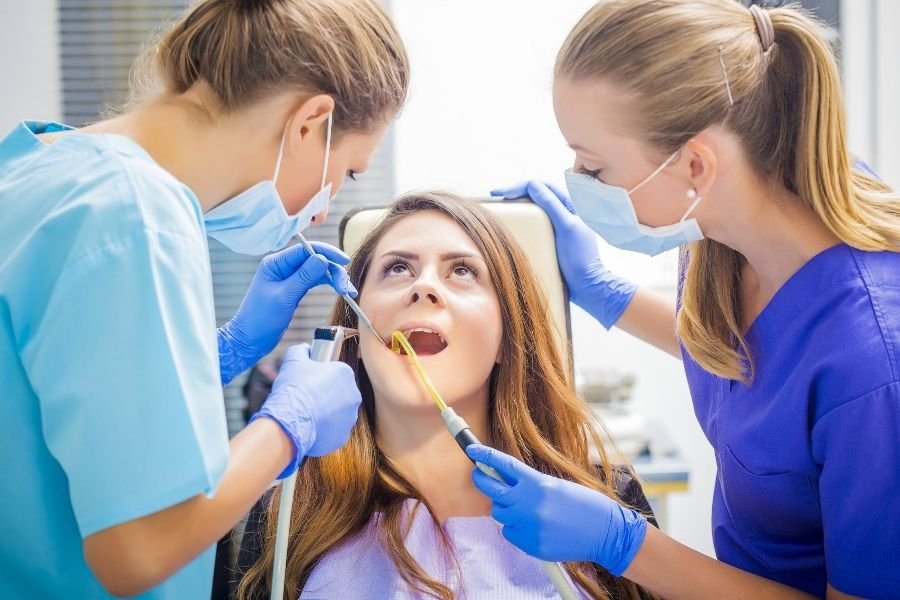
A night guard is a removable intraoral appliance used to reduce the load that teeth clenching or grinding puts on the teeth during sleep. It is also called an occlusal splint or a bruxism guard. It is usually made to measure from an impression of your teeth.
The guard helps to protect the tooth surfaces against mechanical wear and fractures. However, it does not always remove the cause of bruxism. The type of night guard, how long it is worn and the follow-up interval should be decided after a dental examination.
What Is a Night Guard and What Does It Do?
Bruxism is the habit of clenching and grinding the teeth, which can happen during sleep or while awake. Sleep bruxism often goes unnoticed by the person. Jaw fatigue in the morning, headache or worn teeth may be the first signs.
A night guard is placed over the upper or lower teeth. It limits direct rubbing between the opposing teeth and helps the clenching force to be spread more evenly.
The main purposes of a night guard are:
- Helping to reduce wear of the tooth enamel and the risk of cracks
- Protecting fillings, crowns and similar restorations from excessive force
- Regulating the load on the jaw muscles and the joint
- Easing the muscle fatigue and pain some people feel in the morning
- Limiting the progress of sensitivity caused by clenching
Wearing a guard does not mean that bruxism will stop completely. Scientific studies show that its protective effect is more marked. Results for pain and how often clenching happens can vary from person to person.
What Are the Signs and Causes of Teeth Clenching?
Sleep bruxism does not have a single cause. Stress and anxiety can increase the symptoms. Sleep disorders, lifestyle habits and some health conditions should also be assessed.
The signs that can be seen with teeth clenching or grinding are:
- Fatigue or stiffness in the jaw muscles in the morning
- Pain felt in the temples or the face
- Flattening and wear on the biting surfaces of the teeth
- Tooth sensitivity, cracks or repeated fractures in fillings
- Noise from the jaw joint or difficulty opening the mouth
- Grinding sounds heard by people nearby during sleep
- Tooth marks along the edges of the tongue or cheeks
Besides stress, heavy caffeine or alcohol intake, tobacco use and irregular sleep may be linked to the symptoms. Some prescription medicines can also be connected with bruxism. Medicines should not be stopped or changed without asking a clinician.
When Should You See a Dentist?
If there is marked wear, sensitivity or fracture of the teeth, a dental assessment should not be delayed. Constant jaw pain and morning headaches also call for an examination.
An earlier assessment is recommended in the following situations:
- Locking or clearly limited movement when opening the mouth
- Severe pain that makes chewing difficult
- A cracked or loose tooth, or a sudden change in the bite
- Swelling in the jaw or facial area
- Loud snoring, pauses in breathing during sleep or excessive daytime sleepiness
If there are signs of a sleep problem, an opinion from another medical field may also be needed. A night guard does not replace an assessment of an underlying sleep disorder.
What Types of Night Guards Are There?
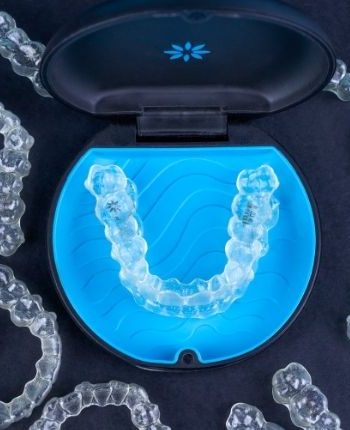
Night guards differ in material, hardness and design. Not every guard is suitable for every person. The choice is made according to tooth wear, the bite relationship, restorations and jaw joint findings.
| Night Guard Type | Main Feature | Points to Watch |
|---|---|---|
| Soft night guard | Made of a flexible material and keeps the teeth apart from physical contact. | It can wear down faster with heavy clenching. It should be checked regularly. |
| Hard occlusal splint | Made to measure from a hard material. The bite contacts are adjusted by the dentist. | Fit and contact adjustment matter. It should not be worn without follow-up. |
| Ready-made or boil-and-bite guard | Produced in standard sizes, with no custom laboratory stage. | It may not fit the bite exactly. A clinician's opinion is needed before long-term use. |
The retainer used after orthodontic treatment and a bruxism guard are not the same. Clear orthodontic aligners are also made to move teeth. Using one appliance in place of another may not be appropriate.
Who Can Wear a Night Guard?
A night guard can be considered for adults who show signs of bruxism at an examination. It can be planned for protection especially in people with tooth wear, broken restorations or morning jaw fatigue.
In children, tooth change and jaw growth are still going on. For this reason, the decision about a night guard in children should be based on age, the stage of dentition and the cause of the complaint. Regular follow-up matters.
If there is active decay, gum disease or an ill-fitting restoration, these may need to be assessed first. People having orthodontic treatment should not change their current appliances on their own.
One of the problems we often see in our clinic is that a ready-made guard is abandoned because it does not fit the bite exactly. The balance of the bite contacts should be assessed as much as comfort.
How Is a Night Guard Made and Worn?
In the first stage, the teeth, gums, jaw muscles and jaw joint are examined. Tooth wear and restorations are checked. If needed, imaging or other assessments may be requested.
- A conventional impression or a digital scan of the teeth is taken.
- The bite relationship between the upper and lower teeth is examined.
- The suitable material and guard design are decided.
- The finished guard is tried in the mouth and its contacts are adjusted.
- Information about wear, cleaning and follow-up is explained to the patient.
The guard is usually fitted over clean teeth before going to sleep. Unless your dentist gives a different plan, it is not worn while eating. Excessive force should not be used when putting it in or taking it out.
In the first days you may feel a foreign body and produce more saliva. These sensations decrease in most people as they get used to the guard. If there is a sharp edge or a sore, you should not keep forcing the guard into place.
How Many Months Is a Night Guard Worn?
There is no fixed number of months that suits everyone. How long it is worn depends on whether bruxism continues, the material of the guard, the clenching force and changes in the mouth.
Even if the guard is intact and fits well, it should be checked at set intervals. The fit can change after dental treatment, a tooth extraction or a new crown. In that case an adjustment or a new guard may be needed.
Cracks, holes, looseness or a change in shape may mean the guard has to be replaced. If the bite feels different for a long time in the morning, this should also be reported to the dentist.
Night Guard Prices 2026

Night guard prices vary with the material used, the design, the impression method and the bite adjustments needed. A soft guard and a hard occlusal splint are not the same procedure.
The Turkish Dental Association's 2026 guide fee schedule lists the following amounts in Turkish lira (TL), including VAT:
| Procedure | 2026 TDB Guide Fee |
|---|---|
| Night guard, soft | 5,885 TL |
| Night guard, hard occlusal splinting | 20,240 TL |
So the 2026 guide price range is between 5,885 TL and 20,240 TL including VAT. These amounts are the TDB guide fee schedule and are not a firm price quote from the clinic. The price information is for guidance only; the final fee is set after an examination.
An extra examination, imaging or dental treatments that must come first can affect the overall plan. Active decay or ill-fitting fillings may need to be treated before the guard is made.
Is a Night Guard Charged in Public Hospitals in Turkey?
Some public hospitals in Turkey and oral and dental health centers provide night guards. A general dental examination is usually carried out first. If it is considered necessary, an internal referral can be made to the relevant clinic.
As of 3 September 2026, there is no single night guard fee that applies to everyone in public hospitals in Turkey. Whether you pay depends on your entitlement under SGK (the Turkish social security system), the scope of the procedure, the material used and the practice of the institution.
For this reason, you should not assume that a night guard is completely free of charge. After the examination, the Medula record (the SGK health records system) and any fee should be checked with the patient admissions or cashier's desk of the hospital you attend.
For people without social security cover, or for procedures not covered by SGK, the current Public Health Services Price Schedule may apply. The amount in a public hospital does not have to be the same as the TDB guide fee published for private health providers.
Can You Use a Night Guard Bought From a Pharmacy?
Ready-made products sold in pharmacies or online are not the same as custom-made guards. A product that does not sit properly on the teeth can be uncomfortable or come out during sleep.
Whether a ready-made product is suitable for short- or long-term use should be assessed by a dentist. People with jaw joint pain and extensive restorations in particular should be careful.
Does a Night Guard Have Any Harms?

No specific harm affecting everyone has been shown for a night guard that is made from a proper impression and followed up. That said, studies report unwanted effects only to a limited degree. Problems can occur if the guard does not fit or is worn without follow-up.
In the first days there may be a slight feeling of pressure, more saliva or a temporary change in speech. If these effects continue, the fit of the guard should be checked.
The signs that call for a dental visit are:
- A sore forming on the gums, cheek or tongue
- New or increasing jaw joint pain
- The guard coming out often during the night
- A change in the bite that lasts a long time in the morning
- Cracking, sharpening or a hole in the guard
- A bad odor that does not go away despite cleaning
Cutting, filing or reshaping an ill-fitting guard with hot water is not appropriate. These actions can upset the contacts. Adjustments should be made by a dentist.
How Do You Clean a Night Guard?
A night guard should be cleaned after every use. Brushing your teeth before putting the guard in helps to stop food debris being trapped under it.
- Rinse the guard with cold or lukewarm water after taking it out.
- Clean it gently with a soft brush and a suitable neutral liquid soap.
- Do not use hot or boiling water. Heat can change the shape of the guard.
- Rinse well after cleaning and store it in its ventilated case.
- Wash and dry the case regularly as well.
Abrasive toothpastes can create scratches on the surface of the guard. Bleach or uncontrolled chemical mixtures should not be used. The care advice from the manufacturer or your dentist comes first.
Keep the guard where pets cannot reach it and out of direct sunlight. If there is a change in color, odor or surface despite cleaning, take the guard with you to your follow-up appointment.
Does a Night Guard Work?
A night guard can provide mechanical protection by limiting direct rubbing between the teeth. For this reason it can be considered for people at risk of tooth wear or broken restorations.
However, scientific studies do not show that a guard stops the clenching habit in everyone. Results for pain, muscle activity and sleep quality differ with the type of guard used and the person's situation.
Focusing on the guard alone may not be enough to manage bruxism. Regular sleep, stress management and awareness of daytime clenching can be supportive.
- During the day, keep your jaw relaxed without letting your teeth touch.
- Limit chewing gum and very hard foods while you have jaw pain.
- Avoid heavy caffeine and alcohol intake in the evening.
- Try to keep a regular sleep pattern.
- Have your guard and dental check-ups at the recommended intervals.
A night guard plan should be considered together with your personal symptoms and the findings in your mouth. Because tooth wear can have other causes, self-diagnosis is not appropriate.
Frequently Asked Questions
What is a night guard?
A night guard is a removable intraoral appliance that reduces the contact created by clenching and grinding during sleep. It is usually made to measure.
Does a night guard work?
A night guard can protect the tooth surfaces from mechanical wear and can reduce muscle complaints in some people. However, it cannot be said to stop bruxism completely in everyone.
How much does a night guard cost in a public hospital in Turkey?
As of 3 September 2026, there is no single night guard fee valid for all public hospitals in Turkey. Whether you pay becomes clear after the examination, based on SGK entitlement, the material and the institution's practice.
How many months is a night guard worn?
There is no fixed period of use that applies to everyone. As long as the guard fits and is intact, it can be worn with dental follow-up; it may be replaced if there is a crack, looseness or a change in the bite.
Can a night guard harm the jaw?
A properly made guard that is checked regularly is not expected to harm the jaw. If there is new or increasing pain, locking or a change in the bite, the plan of use should be reviewed.
How do you clean a night guard?
The guard should be rinsed with cold or lukewarm water after every use and cleaned with a soft brush and a suitable neutral soap. Hot water can distort its shape.
Can you use a night guard bought from a pharmacy?
Ready-made guards may not fit as well as custom-made products. A dental assessment is needed before long-term use.
Sources
- Turkish Dental Association (TDB) 2026 Oral and Dental Health Examination and Treatment Fee Schedule
- Turkish Ministry of Health Public Health Services Price Schedule – Amendment of 28 July 2026
- 75th Year Oral and Dental Health Hospital Public Service Inventory
- NHS – Teeth Grinding (Bruxism)
- United Lincolnshire Teaching Hospitals – Bite Guard Care Instructions
- PubMed – The Efficacy of Occlusal Splints in the Treatment of Bruxism: A Systematic Review