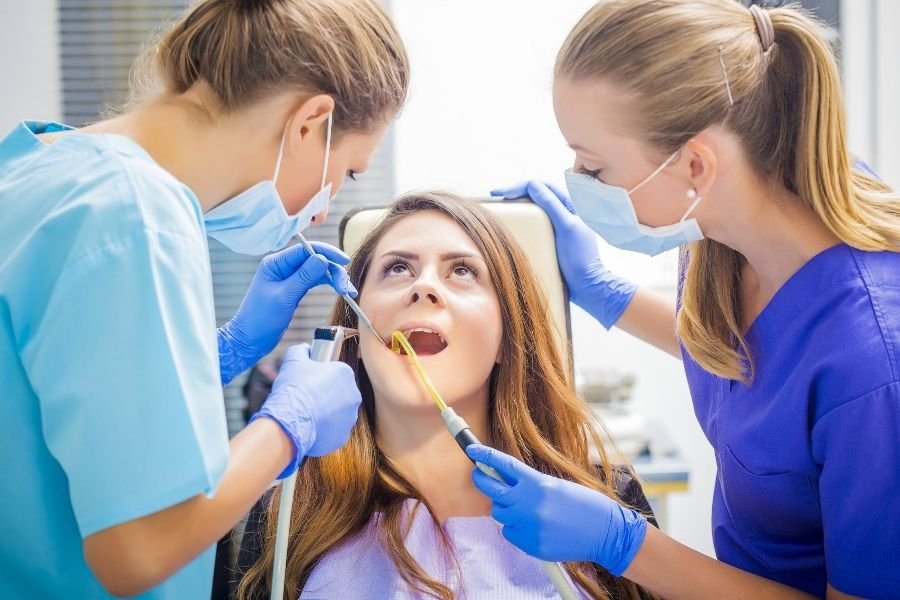
When choosing a dentist, looking only at the location of the clinic or at online reviews is not enough. The dentist's title, their expertise for your particular need, the clinic's approach to hygiene and the way the treatment is explained should all be considered together.
It also matters that you can express yourself comfortably at the first appointment. The dentist should explain the examination findings clearly and give you enough information to decide between the options.
Key Points to Look At When Choosing a Dentist
You can use the criteria below when choosing a dentist and a clinic:
- The dentist's actual professional title and details of the health facility they work in should be shared openly.
- Your reason for coming should match the treatment areas the dentist assesses.
- The examination, imaging and treatment options should be explained in plain language.
- You should be able to get information about hygiene, sterilization and single-use items.
- The stages of treatment, the estimated timeline and possible alternatives should be discussed.
- Appointment times, travel and review visits should fit your daily routine.
- Fees and invoicing terms should be explained before treatment starts.
- You should find out which contact route to use if an urgent problem develops.
Rather than deciding on a single feature, look at the whole process. In treatments that run for a long time, communication, travel and regular follow-up matter even more.
Which Needs Does Dentistry Cover?
Dentistry is not limited to treating painful teeth. Preventive care, gum health, missing teeth, jaw development and cosmetic expectations are also part of the field.
| Reason for Visiting | First Assessment | Relevant Treatment Area |
|---|---|---|
| Routine check-up and decay prevention | Examination of the teeth, gums and oral tissues | Preventive and general dentistry |
| Toothache, sensitivity or decay | The depth of the decay and the state of the tooth nerve | Fillings or endodontics |
| Bleeding and swollen gums | Assessment of plaque, tartar and supporting tissues | Periodontics |
| Crowding or a bite problem | The position of the teeth and jaws | Orthodontics |
| Missing teeth | The condition of the teeth, gums and jawbone | Prosthetic options or dental implants |
| Impacted teeth or a need for surgery | The position of the tooth and its relation to nearby tissues | Oral and maxillofacial surgery |
| Oral and dental health in children | Baby teeth, permanent teeth and jaw development | Pediatric dentistry |
A general dentist can carry out the first examination. Where needed, a referral to the relevant treatment area or to a specialist dentist can be planned.
One situation we see often at our clinic is patients coming in only once pain has started. Regular check-ups can help some problems be assessed before they cause symptoms.
How Can You Assess Specialization and a Dentist's Expertise?
Not every oral and dental health problem needs the same approach. Root canal treatment falls under endodontics, gum disease under periodontics, and crowding under orthodontics.
For child patients, pediatric dentistry may be relevant, and for impacted teeth and some surgical procedures, oral and maxillofacial surgery. Which area is needed, though, is determined after an examination.
You can ask about the dentist's title and their approach to the planned procedure. Social media posts, the devices used or general statements are not enough on their own to judge professional expertise.
The following questions can help at the first appointment:
- What are the possible causes of the current problem?
- Which examinations or imaging methods are needed?
- Is there more than one treatment option?
- Is an assessment from another treatment area needed?
- How might the problem progress if it is not treated?
Hygiene and Sterilization When Choosing a Dental Clinic

It matters that the waiting area looks clean. However, the cleanliness of clinic surfaces is not the only indicator of instrument sterilization.
In dentistry, reusable instruments that contact oral tissues must be cleaned and reprocessed in line with their specifications. Critical items such as surgical instruments require sterilization.
Do not hesitate to ask about sterilization processes at your first visit. Packaged instruments being opened just before the procedure, single-use items not being reused, and clinic surfaces being prepared between patients are points you can watch for.
Wearing gloves does not replace hand hygiene. The clinical team is expected to perform hand hygiene before procedures and whenever it is needed.
Sterilization is usually carried out in an area the patient cannot see directly. That is why it matters that the clinic team answers your questions clearly and openly.
Why Do Communication, Information and Consent Matter?
To take part in the treatment decision, you need to understand your current situation. The dentist should explain the proposed procedure, its benefits, possible risks and the alternatives in plain language.
You can ask to be shown the imaging results or the findings inside your mouth. If there is a term you do not understand during the explanation, you can ask again.
Being informed is not just about signing a form. Giving consent after your questions have been answered is part of a healthy patient-dentist relationship.
For long or multi-stage treatments in particular, it can help to ask for a written plan. The plan can set out the order of procedures, review appointments and the situations in which the plan might change.
If you have dental anxiety, a drug allergy or a chronic condition, mention it before the examination. Do not keep the medicines you take regularly from your dentist, and do not stop them on your own.
Is Technology and Equipment Enough on Its Own?
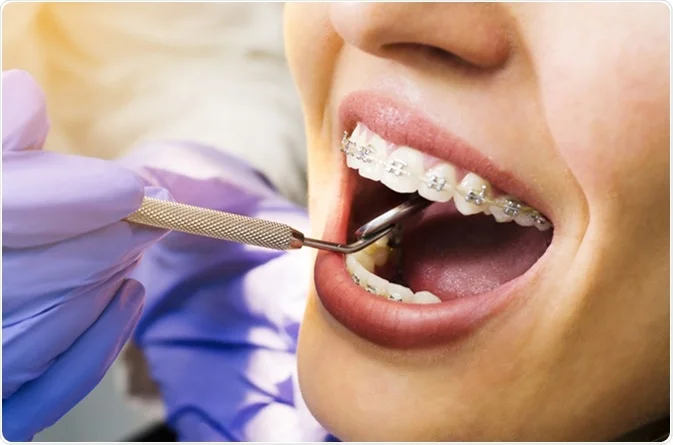
Technologies such as digital imaging, intraoral scanning or three-dimensional imaging can support diagnosis and planning. However, not every device needs to be used for every patient.
What matters is that the imaging method is chosen according to clinical need. You can ask your dentist to explain why a particular image is needed and how it might affect the treatment decision.
A new device alone does not determine the treatment outcome. A proper examination, clinical experience, a scientific approach and regular follow-up should be considered together.
When comparing equipment, focus on the purpose of use rather than the number of device names. Ask for more information about any recommendation that seems unnecessary or is not explained well enough.
Location, Appointments and Continuity of Treatment
Some dental treatments need more than one visit. So how close the clinic is to your home, your workplace or the route you travel regularly can matter.
When booking, ask about opening days, likely waiting times and how review visits are scheduled. Find out which contact channel to use if you need to cancel or reschedule.
You can also ask how urgent visits are handled. Not every clinic has the same working pattern or capacity to see urgent cases.
Continuity matters especially in orthodontics, implants, root canal treatment and gum treatment. Missed reviews can mean the planned process has to be reassessed.
How Should You Read Online Reviews and Recommendations?
Online reviews can give a general idea about a clinic's communication, scheduling or accessibility. However, every patient's mouth, treatment and expectations are different.
Do not decide on the basis of a single positive or negative review. It is not always clear whether reviews can be verified, how recent they are or which service they relate to.
Be cautious about posts that create firm expectations about treatment results. Even two dental problems that look similar may need different treatment options.
You can use a recommendation from people you know as a starting point. Make the final decision based on your own experience at the examination, the dentist's explanations and your needs.
What Should You Ask When Discussing the Treatment Plan and Fees?
Cost should not be the only criterion when choosing treatment. The scope of the planned procedure, the methods used, the stages and the follow-up needed all affect the overall process.
Before treatment starts, you can discuss the following:
- Which stages the proposed treatment consists of
- Whether alternative methods are available
- Whether imaging, laboratory work and review visits are included in the plan
- How you will be informed if the treatment plan changes
- How payment, documentation and invoicing are handled
If you have private health or other insurance, confirm the cover for dental procedures with your insurer. Compare the information from the clinic and the insurer before treatment starts.
When Should You Get Help Without Waiting?
Not every toothache is a life-threatening emergency. Even so, some symptoms need a rapid assessment.
- Rapidly increasing swelling in the face or neck
- Difficulty breathing, speaking or swallowing
- Bleeding in the mouth that cannot be controlled
- A serious injury to the face or jaw
- Widespread swelling with fever and marked weakness
With these symptoms, seek emergency medical care or call 112, the emergency number in Turkey. For severe toothache, a broken tooth or limited swelling, get a dental assessment without delay.
Do not place medication, alcohol or any caustic substance on the tooth. These can irritate the gums and oral tissues.
MFS Dent Bursa Clinic Information
Private MFSDENT Oral and Dental Health Polyclinic was founded in 2020 in Yıldırım, Bursa. The clinic is at Davutkadı Mahallesi, Fatih Sultan Mehmet Caddesi No: 57/B and is open seven days a week.
The team includes Mehmet Fatih Sever, Muhammed Ali Kurmuş, İremnur Yıldız, Beyzanur Şaşmaz and Hasan Köken, who work with the title of Dentist.
The clinic provides dental implants, zirconia crowns, teeth whitening, orthodontics, pediatric dentistry, endodontics, periodontics, braces and oral surgery. Which service is suitable is determined by an examination.
The official clinic information lists an intraoral scanner, panoramic imaging and three-dimensional tomography. The need for imaging is assessed according to the patient's current findings.
For appointments and information, the clinic can be reached on +90 541 363 34 42. You can use the hygiene, communication and treatment planning criteria in this guide when you assess MFS Dent too.
Home Care After Choosing a Dentist
Regular examinations do not replace daily oral care. Brush your teeth twice a day with fluoride toothpaste and clean between them with a tool that suits you.
Limit how often you have sugary foods and drinks. Avoiding tobacco helps protect both the oral tissues and general health.
Follow the check-up interval your dentist recommends. The same schedule does not apply to every patient; the interval is set according to the risk of decay and gum disease.
If you notice new pain, bleeding, swelling, bad breath or a loose tooth, do not wait for your scheduled check-up. Book an appointment for a dental assessment.
A Checklist You Can Use Before Deciding
- Is the dentist's name and professional title clear?
- Was your reason for visiting listened to in detail?
- Were the examination findings explained in a way you could understand?
- Were the treatment options and alternatives discussed?
- Were your questions about hygiene and sterilization answered?
- Was the purpose of the requested imaging explained?
- Were the stages of treatment and the expected follow-up set out?
- Are the fees and invoicing process clear?
- Are the appointment times and travel sustainable for you?
- Do you feel comfortable enough to ask questions?
Choosing a dentist should be based on your personal health needs. It matters that you pick a clinic where you can communicate openly, understand the process and attend regularly.
Frequently Asked Questions
How do you choose a dentist?
Look at the dentist's title, whether they offer an assessment suited to your need, the clinic's approach to hygiene and the way they communicate. Location, scheduling and how clearly the treatment plan is set out should also be part of your decision.
What should a good dentist be like?
A dentist should listen to you, explain the examination findings in plain language and give information about treatment alternatives. It matters that they allow enough time for you to ask questions.
How often should you see a dentist?
There is no single check-up interval that applies to everyone. How often you need check-ups is set by the dentist according to decay risk, gum health, age, current treatments and general health.
Which specialist do you see to have a tooth extracted?
The first assessment can be carried out by a general dentist. If there is an impacted tooth, a complex extraction or a need for surgery, an oral and maxillofacial surgery assessment may be requested.
What should you ask at a first dental examination?
You can ask about the likely cause of the problem, the imaging needed, the treatment options, the alternatives and the follow-up. Also find out the stages of the plan and the fee terms before treatment starts.
Are online reviews reliable when choosing a dentist?
Reviews can give a general idea about communication and scheduling, but they should not be the only basis for a clinical decision. Every patient's health and treatment experience is different.
Which dentist should you choose for children?
Children's baby teeth, permanent tooth development and behavioral needs can be assessed within pediatric dentistry. The treatment area needed is determined after the first examination.
What should I look for if I have dental anxiety?
Tell the clinic before your appointment and your dentist during the examination. You should be able to agree on procedures being explained in advance, a signal for a break, and step-by-step planning.