
Smile design is a personalized planning process in which the teeth, gums, lips and facial proportions are assessed together. It is not a single procedure. Teeth whitening, restorative work, gum treatment or orthodontics are added to the plan only if they are needed.
The aim is not simply lighter or straighter teeth. Oral health, chewing, speech, the bite and a natural appearance are all considered together. Timing and how long results last vary with the treatments chosen.
What Is Smile Design?
Smile design is an esthetic and functional treatment plan that looks at how the teeth and surrounding tissues harmonize with the face. The terms smile esthetics and esthetic smile design usually describe the same approach.
Planning is not just about the color of the front teeth. The size, shape, alignment and visibility of the teeth are examined together. The gum level, lip movement and the midline of the face are also part of the assessment.
The main elements that can be considered in smile design are:
- The color, shape, surface texture and relative proportions of the teeth
- Gaps between teeth, crowding and wear
- How much tooth and gum show when you smile
- Lip movement at rest and while smiling
- The bite relationship between the upper and lower teeth
- Any decay, old restorations, missing teeth or gum problems
- Your expectations and preferences for a natural look
One misunderstanding we come across often at our clinic is that smile design means veneers. For some people, preventive care or whitening can be enough. For others, several fields of dentistry need to be planned together.
How Is Smile Design Carried Out?
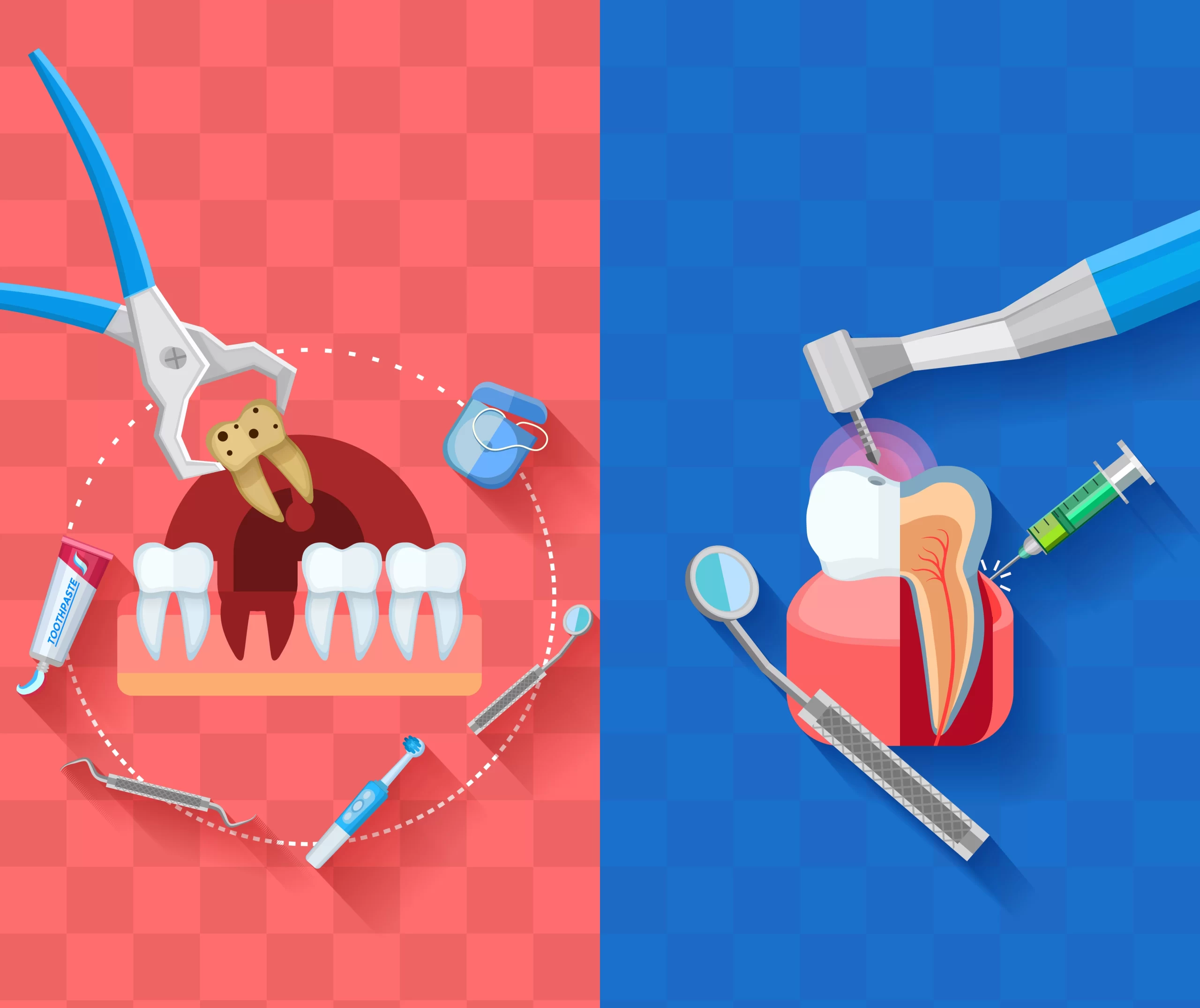
Smile design starts with a detailed examination and a set of records. Digital tools can make planning easier. However, an image created on a computer is not on its own a diagnosis or a treatment.
- Your expectations are heard: What bothers you about your appearance and what your priorities are.
- An oral examination is carried out: The teeth, gums, bite and jaw relationship are checked.
- Records are taken: Photos, video, intraoral scans, impressions and X-rays are used as needed.
- A facial and smile analysis is done: The lip line, tooth visibility, gum level and facial proportions are examined.
- Treatment options are set out: Alternatives that protect your health and involve the most limited intervention possible are assessed.
- A preview can be prepared: The planned appearance can be reviewed with a digital simulation or a temporary mock-up.
- Treatment and check-ups follow: The approved plan is carried out once any necessary health treatment is complete.
What Is Digital Smile Design?
Digital smile design is a planning method that allows measurements to be made on photographs and intraoral records. It can help assess the relationship of the teeth to the face and lips in more concrete terms.
A digital preview makes it easier for the dentist and the patient to compare expectations. Even so, the image on the screen is not a promise of a definite result. Tissue characteristics and the treatment carried out can affect the real outcome.
How Is the Order of Treatment Decided?
If there is active decay, gum inflammation or infection, oral health comes first. Esthetic stages follow once the necessary health treatment is complete. A bite problem can also be addressed before restorations.
How Long Does Smile Design Take?
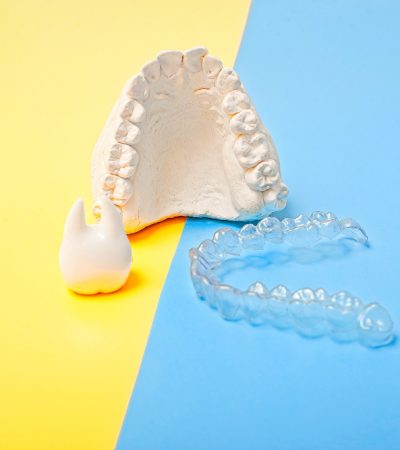
Smile design does not take the same time for everyone. Assessment and digital planning alone can be completed in a few appointments. If orthodontics, implants or procedures that need healing are involved, the whole process can take months.
| Stage or Procedure | General Timeframe | What Affects the Time |
|---|---|---|
| Examination and digital planning | One or a few appointments | The records needed and the scope of the plan |
| Teeth whitening or direct composite work | Mostly a limited number of appointments | Tooth color, number of restorations and sensitivity |
| Laboratory work such as veneers or crowns | Several clinic and laboratory stages | Number of teeth, try-ins and production method |
| Gum treatment | A healing period may be needed on top of treatment | Tissue health and the scope of the procedure |
| Plans involving orthodontics or implants | A longer process that can take months | Tooth movement, bone condition and healing |
The question "how many sessions will it take?" can only be answered after an examination. The stages and an estimated timeline should be shared with you before treatment begins.
Skipping oral health stages to shorten the process is not appropriate. Gum problems and active infections in particular need to be brought under control first.
How Long Do Smile Design Results Last?
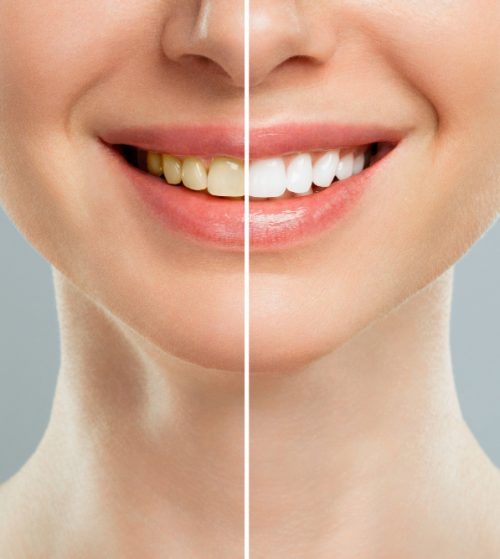
Because smile design is a plan, there is no single lifespan for it. How long results last depends on the treatments carried out within the plan. Results can hold for anywhere from a few months to many years.
| Procedure | Change Over Time | Influencing Factors |
|---|---|---|
| Teeth whitening | The color can darken again over time | Diet, tobacco use and oral hygiene |
| Composite restoration | Wear, staining or margin changes can develop | The bite, care habits and where it is placed |
| Ceramic veneer or crown | Can function for many years, but not for life | Tooth tissue, bonding, bite and teeth clenching |
| Orthodontic correction | Teeth can move again over time | Sticking to the retention plan and individual tissue factors |
| Gum reshaping | The tissue level can change with your health | Plaque control, gum disease and healing |
Long-term studies of ceramic veneers report positive clinical outcomes. Even so, every restoration may need replacing or repairing at some point. No lifetime guarantee can be given.
Teeth clenching, cracking hard objects with your teeth and poor oral hygiene can affect restorations. If your dentist considers it necessary, personalized protective measures can be planned.
Why Is Smile Design Personalized?
Face shape, lip movement, gum visibility and natural tooth characteristics differ in every person. The same tooth shape and color will not look natural on everyone.
Age, facial proportions and how much tooth shows when you smile all affect the plan. Your expectations are also assessed alongside the options that are clinically achievable.
Is There a "Most Beautiful" Smile Shape?
There is no single ideal smile shape that applies to everyone. Research shows that mathematical proportions cannot determine an esthetic result on their own. Proportions can only be a starting point alongside individual facial features.
Natural teeth can have small differences in shape and position. So preserving your own features, rather than using a standard template, can give a more balanced plan.
What Procedures Can Smile Design Include?
The procedures used in smile design are chosen based on the examination findings. The same sequence of procedures is not needed for everyone.
- Professional oral care and teeth cleaning (scaling)
- Teeth whitening
- Composite fillings or esthetic reshaping
- Veneers, crowns or other restorative work
- Treatment of gum disease and reshaping where needed
- Orthodontic tooth movement
- Implant or denture options for missing teeth
- Treating teeth with decay, cracks or a need for root canal treatment
Are Teeth Trimmed in Smile Design?
Not every smile design involves trimming teeth. Options such as whitening and orthodontics can be carried out without changing the shape of the tooth. With composite work, limited intervention can also be enough.
When veneers or crowns are planned, the amount of preparation varies with the condition of the tooth. Preserving healthy tooth tissue is the main priority. The benefits and limitations of irreversible procedures should be explained beforehand.
Who Can Consider Smile Design?
People with color differences, gaps between teeth, wear, shape mismatches or mild alignment problems may want an assessment. Those bothered by their gum level or by the look of old restorations can also be examined.
Planning can differ for teenagers who are still developing, during pregnancy, or for people with active oral disease. Chronic conditions and any medication you take should also be reported to your dentist.
A dentist's assessment is needed before esthetic planning if you have the following findings:
- Severe toothache or pain that starts on its own
- Swelling in the face or the gum
- Signs of infection such as pus, a bad taste or fever
- Advanced tooth mobility or trauma
- Frequently recurring or persistent bleeding gums
- A mouth sore lasting more than two weeks
What Is a Hollywood Smile?
"Hollywood smile" is a popular term that usually describes light, even and prominent front teeth. It is not a standard diagnosis or a single treatment that suits everyone.
This look can be planned with different procedures such as whitening, orthodontics, composite or ceramic restorations. Which option is suitable is decided by assessing the healthy tooth tissue and oral health.
Does a Hollywood Smile Have Drawbacks?
Any potential harm comes from the treatment carried out, not from the term itself. Unnecessary removal of tooth tissue, temporary sensitivity, poor gum fit or problems with restorations can occur.
Aiming only for a very white, very symmetrical look can give a result that does not match your natural facial features. That is why the treatment options, alternatives and irreversible stages should be discussed in detail.
What Are the Possible Risks and Limitations?
Every procedure has a different risk profile. Temporary tooth sensitivity or gum irritation can develop after whitening. Composite restorations can stain and wear at the surface over time.
With ceramic restorations, fracture, poor marginal fit or loss of bonding is possible. Inadequate cleaning can increase the risk of decay and gum problems around a restoration.
Digital simulations are not a guarantee of the real treatment result. Gum healing, tissue structure and the bite relationship can affect the final appearance. Regular check-ups help identify problems early.
What Should Aftercare Look Like?
Aftercare advice is personalized according to the procedure carried out. Keeping up general oral care helps protect both natural teeth and restorations.
- Brush your teeth twice a day for about two minutes with a fluoride toothpaste.
- Clean between your teeth regularly with suitable tools.
- Do not crack hard shells, ice cubes or packaging with your teeth.
- Ask your dentist about habits that can cause staining.
- Ask for an assessment if you have signs of teeth clenching.
- Do not miss the recommended check-ups and professional care appointments.
How Are Smile Design Prices Set?
Because smile design is not a single procedure, there is no fixed fee that applies to everyone. The total cost is set according to the treatment plan drawn up after an examination.
The number of teeth, the procedures involved, the materials used and laboratory stages can all affect the cost. The scope also differs for plans that require orthodontics, implants or gum treatment.
Price information should be shared once the options and the order of treatment are clear. Any fee information given is for information only; the exact fee is set after an examination.
Frequently Asked Questions
What is smile design?
Smile design is a personalized planning process in which the teeth, gums, lips and facial proportions are assessed together. It is not the name of a single treatment.
How is smile design carried out?
The process starts with an examination, photos or intraoral records and a facial and smile analysis. A digital preview is prepared as needed and suitable treatments are put in order.
How long does smile design take?
Planning alone can be completed in a few appointments. If orthodontics, implants or procedures that need healing are involved, the process can take months.
How long do smile design results last?
There is no single lifespan, because it depends on the treatment carried out. Whitening can fade; restorations can be used for many years but may need maintenance or replacement.
Why is smile design personalized?
Facial proportions, lip movement, tooth shapes and gum visibility vary from person to person. A single tooth shape or color will not look natural on everyone.
Are teeth trimmed in smile design?
Not always. Whitening, orthodontics and some composite work can be done without removing tooth tissue or with limited intervention.
Is a Hollywood smile harmful?
The Hollywood smile is a popular description of a look. The risks depend on the procedures chosen; unnecessary tooth preparation and unsuitable restorations can cause problems.
How is the price of smile design set?
The fee varies with the type of procedure, the number of teeth, the materials and the treatment time. The exact fee is set after an examination and a personal treatment plan.
Sources
- The Recent Use, Patient Satisfaction, and Advancement in Digital Smile Designing: A Systematic Review
- Mathematical Tooth Proportions: A Systematic Review
- Survival and Complication Rates of Ceramic Laminate Veneers: A Systematic Review and Meta-Analysis
- Survival and Complication Rates of Resin Composite Laminate Veneers: A Systematic Review and Meta-Analysis
- Whitening — American Dental Association
- Home Oral Care — American Dental Association