
Satisfaction with zirconia crowns varies from person to person. Careful planning, a natural color choice and a balanced bite can improve satisfaction. However, no type of crown is suitable for everyone or entirely free of risk.
Zirconia crowns are generally an option with high biocompatibility. Possible harms are mostly related to how the tooth is prepared, how well the crown fits, oral hygiene and chewing forces. Lasting sensitivity, gum problems, fracture or decay under the crown can develop.
What Is Zirconia and What Does a Zirconia Crown Mean?
In everyday speech, a zirconia crown means a ceramic crown based on zirconia. The main material used is zirconium dioxide. It has a natural white color, high strength and different translucency options.
A crown is a fixed restoration that surrounds the visible part of a damaged tooth. It can be used to strengthen the tooth, adjust its shape or replace lost tissue. Placing a crown on a sound tooth for appearance alone is not always necessary.
The Difference Between Monolithic and Layered Zirconia
A monolithic zirconia crown is produced from a single piece of zirconia ceramic. It can be considered for back teeth, where strength is the priority. Polishing the surface well matters for reducing wear on the opposing tooth.
In layered zirconia, esthetic ceramic is applied over the framework. This method can improve color and surface detail. On the other hand, chipping or fracture can occur in the outer ceramic layer over time.
Are People Satisfied With Zirconia Crowns?
People who have zirconia crowns can be satisfied when their expectations for color match, tooth shape, chewing comfort and gum appearance are met. Satisfaction does not depend on the material alone. The dentist's planning, the laboratory work and the patient's care all play a part.
Reviews of zirconia crowns online are based on personal experiences. A design that worked well for one person may not suit someone with a different tooth structure. For that reason, patient reviews should not be the only criterion when choosing treatment.
One of the questions we hear often in our clinic is how white the color should be. When choosing the shade, skin tone, the neighboring teeth and the gum visible when you smile should be assessed together.
What Are the Advantages of Zirconia Crowns?
- They can be produced in shades close to the natural tooth color.
- They do not contain the metal alloy core found in porcelain-fused-to-metal crowns.
- They can be used for single crowns and, in suitable cases, for bridges.
- There are options that withstand high chewing forces.
- They can be prepared with computer-aided design and manufacturing.
- They do not create a dark metal reflection at the gum margin.
- A well-polished surface can make cleaning easier to keep up.
These features do not give the same result in every patient. The need for translucency at the front differs from the need for strength at the back. The type of zirconia should be selected according to the position of the tooth.
Are Zirconia Crowns Harmful? Risks and Drawbacks
Zirconia ceramic itself is generally a material with high biocompatibility. Even so, placing a crown can require irreversible loss of tooth tissue. When assessing the drawbacks of a zirconia crown, the whole treatment process should be considered, not just the material.
Reduction of Tooth Tissue
A certain amount of tissue is removed from around the tooth to make room for the crown. After this, it is usually not possible to use the tooth without a crown. If protective options are suitable, unnecessary tissue loss should be avoided.
Sensitivity and Tooth Nerve Problems
Short-lived sensitivity to heat or cold can occur after the procedure. Pain that gets worse, wakes you at night or lasts a long time should not be accepted as normal. Some teeth may need root canal treatment later on.
Gum Problems and Decay Under the Crown
If the crown margin does not fit the gum well, plaque removal can become difficult. Redness, bleeding, bad odor or gum recession can develop. The crown itself does not decay, but the natural tooth tissue beneath it can.
Fracture, Chipping and Loosening
Although zirconia is strong, it is not unbreakable. Biting hard objects, clenching or trauma can damage the crown. In layered crowns, the outer ceramic can chip. A failure of the cement bond can cause the crown to loosen.
Wear on the Opposing Tooth
A zirconia surface left rough or prepared high relative to the bite can increase wear on the opposing tooth. Surface polishing and bite checks are therefore important. People who clench their teeth should be assessed separately.
Color and Shape Mismatch
A crown can look too white, opaque, long or bulky. Zirconia crowns do not change color with teeth whitening. If the natural teeth are whitened later, a color difference can appear.
Why Do Some People Regret Getting Zirconia Crowns?
Comments such as "I had zirconia crowns and did not like them" or "I regret it" can have different reasons. Changing only the material without identifying the source of the problem may not be enough.
- The result looking whiter or more opaque than the natural teeth
- The teeth being made too long, wide or bulky for the person
- Feeling a high spot or a bite problem while chewing
- Crowns being placed before gum disease has been treated
- Expectations not being discussed in detail before the crowns
- Teeth clenching and grinding not being taken into account in planning
- A full crown being chosen when a more conservative restoration was possible
- Overhanging or poorly fitting crown margins that are hard to clean
Shape, speech, color and bite should be assessed during the temporary crown and try-in stages. These checks before final cementation can reduce the changes needed afterwards.
How Do You Compare the Advantages and Disadvantages?
| Feature | Advantage | Possible Limitation |
|---|---|---|
| Appearance | Can be produced in tooth-colored shades | A wrong shade choice can look artificial |
| Strength | Options resistant to chewing forces are available | Trauma and clenching can increase the risk of fracture |
| Gum appearance | Does not create a dark metal reflection | Poorly fitting margins can cause bleeding and recession |
| Care | A smooth surface is easy to clean | The natural tooth under the crown can decay |
| Use | Can be used in different areas of the mouth | Tooth tissue may need to be reduced |
| Repair | Minor surface problems can sometimes be corrected | With large fractures the crown may need replacing |
What Are the Stages of a Zirconia Crown?
- Examination and planning: The tooth, gums, bite and, where needed, radiographs are assessed.
- Identifying the alternatives: Options such as a filling, veneer, other ceramics or a metal-supported crown are compared.
- Preparing the tooth: If considered necessary, the tooth tissue is shaped in a controlled way under local anesthesia.
- Impression or digital scan: A record of the prepared teeth and the bite is taken.
- Temporary crown: A temporary crown can be placed to protect the tooth while the final restoration is made.
- Try-in: The color, margin fit, contact points and chewing balance are checked.
- Final placement: The approved crown is fixed to the tooth and the bite is checked again.
The treatment time varies with the case and the production method. It is not correct to give a set number of days or visits for every patient.
How Many Years Do Zirconia Crowns Last?
No exact number of years applies to everyone. Current scientific reviews report that a substantial proportion of single-tooth zirconia crowns remain in place over five to ten years of follow-up. These data do not mean lifelong use.
The lifespan of a crown is affected by oral hygiene, teeth clenching, the bite, how well the crown fits and the condition of the supporting tooth. Using a crown to crack very hard foods also increases the risk of damage. Regular check-ups can help detect problems early.
What Happens When a Zirconia Crown Reaches the End of Its Life?
The crown can loosen, fracture or lose its marginal fit. Decay or a crack can also develop in the tooth underneath. The dentist assesses the crown and the supporting tooth and plans polishing, repair, re-cementation or replacement.
If the supporting tooth can be preserved, a new crown can be made. If the tooth is severely damaged, different treatments may be needed. This decision can only be made after an examination and imaging.
Can a Zirconia Crown Be Placed on an Implant?
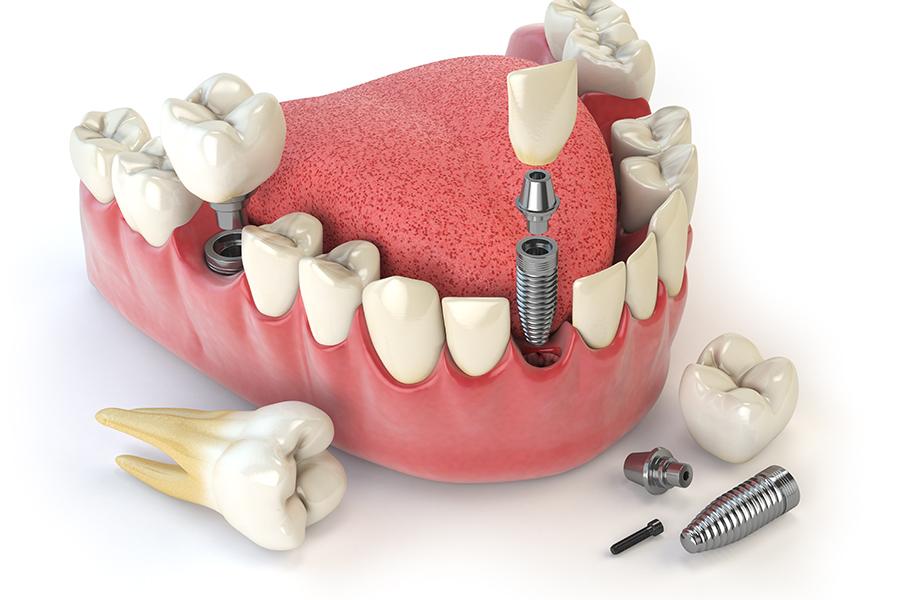
In suitable cases, a zirconia crown can be used as a single implant-supported tooth or as a fixed restoration. A crown on an implant has no natural tooth nerve. However, the gum and bone around it still need regular cleaning.
With implant-supported restorations, screw loosening, fracture of the crown or connection problems can occur. Chewing forces and the position of the implant should be taken into account in planning.
What Care Is Needed After a Zirconia Crown?
- Brush your teeth twice a day with fluoride toothpaste.
- Clean the crown margins with floss or suitable interdental tools.
- Do not use your teeth to crack hard objects such as ice, nut shells or packaging.
- Ask for a dental assessment if you think you clench your teeth.
- Do not skip the recommended check-up intervals.
- Do not wait if you notice bleeding, bad odor or movement in the crown.
When Should You See a Dentist?
Mild, temporary sensitivity can occur after a crown is placed. The following signs, however, require a dental assessment:
- Severe, throbbing pain or pain that wakes you at night
- Swelling in the face or gum
- Oral and dental complaints developing together with fever
- The crown loosening or coming off
- A sharp edge caused by a fractured crown
- A constant feeling of a high spot while chewing
- Gum bleeding or a bad taste that does not settle
Whether a zirconia crown is suitable is not decided on appearance expectations alone. In a detailed dental examination in Bursa, Turkey, the tooth tissue, gums and bite should be assessed together.
Frequently Asked Questions
Are zirconia crowns harmful?
Zirconia ceramic is generally a material with high biocompatibility. Still, there are risks such as tooth reduction, sensitivity, decay under the crown, gum problems, fracture and wear on the opposing tooth.
Are people happy with zirconia crowns?
Satisfaction depends on the right indication, a natural color and shape, the fit of the crown and a balanced bite. Personal reviews online cannot determine the right treatment for you on their own.
How many years do zirconia crowns last?
No exact lifespan can be given. In scientific studies, many single-tooth zirconia crowns remained in place over five to ten years of follow-up; care, clenching and the supporting tooth affect this.
What happens when a zirconia crown wears out?
The crown can loosen, fracture or develop decay underneath. After the supporting tooth is examined, the crown can be repaired, re-cemented or replaced.
Do zirconia crowns turn yellow?
The color of zirconia ceramic does not yellow like a natural tooth. Stains from tea, coffee or tobacco can build up on the surface, and a change in the natural teeth can create a shade difference.
Are zirconia crowns durable?
Zirconia is one of the strong ceramics used in dentistry. Even so, trauma, clenching, biting hard objects or a faulty bite can increase the risk of fracture.
Should you choose zirconia or porcelain?
Zirconia is also a type of ceramic and can have an esthetic porcelain layer applied over it. The choice between metal-supported porcelain, zirconia and other ceramics depends on the position of the tooth, the remaining tissue and esthetic needs.
Sources
- Clinical Outcomes of Zirconia Dental Restorations: A Systematic Review and Meta-Analysis
- Materials for Indirect Restorations
- Long-Term Clinical Performance and Complications of Zirconia-Based Restorations
- Wear in Antagonist Teeth Produced by Monolithic Zirconia Crowns
- Are There Any Risks to Having Crowns, Veneers or Bridges?
- Sensitive Teeth