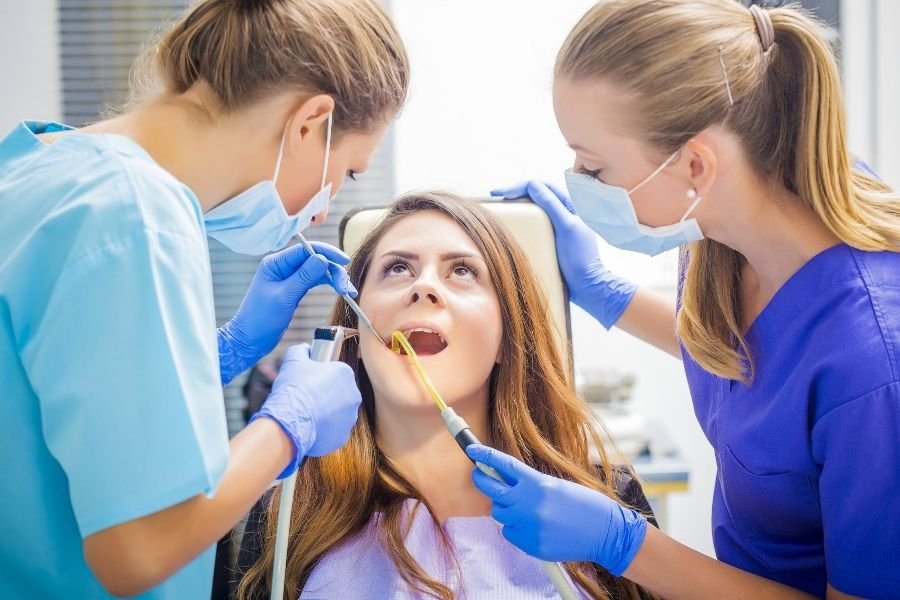
Tooth reshaping (enameloplasty) is the adjustment of a tooth's shape or contacts by removing a controlled, limited amount of tissue from the tooth surface. The terms tooth trimming, tooth slimming and tooth shortening may also be used for this procedure.
The scope of the procedure is not the same for every tooth. A small edge adjustment, orthodontic enamel reduction and crown preparation are different procedures. Which method is needed should be decided after an examination.
What Does Reshaping Mean?
Reshaping means giving form to a surface by reducing the excess on it in a controlled way. In dentistry, this can be done with rotary instruments, thin discs or abrasive strips.
The everyday expression "having a tooth ground down" also usually refers to shaping a tooth with a rotary instrument. However, this phrase says nothing about how deep the procedure will be.
Tooth reshaping is irreversible. Enamel that has been removed does not grow back on its own. For that reason, files, sandpaper or similar tools must never be used at home.
When Is Tooth Reshaping Done?
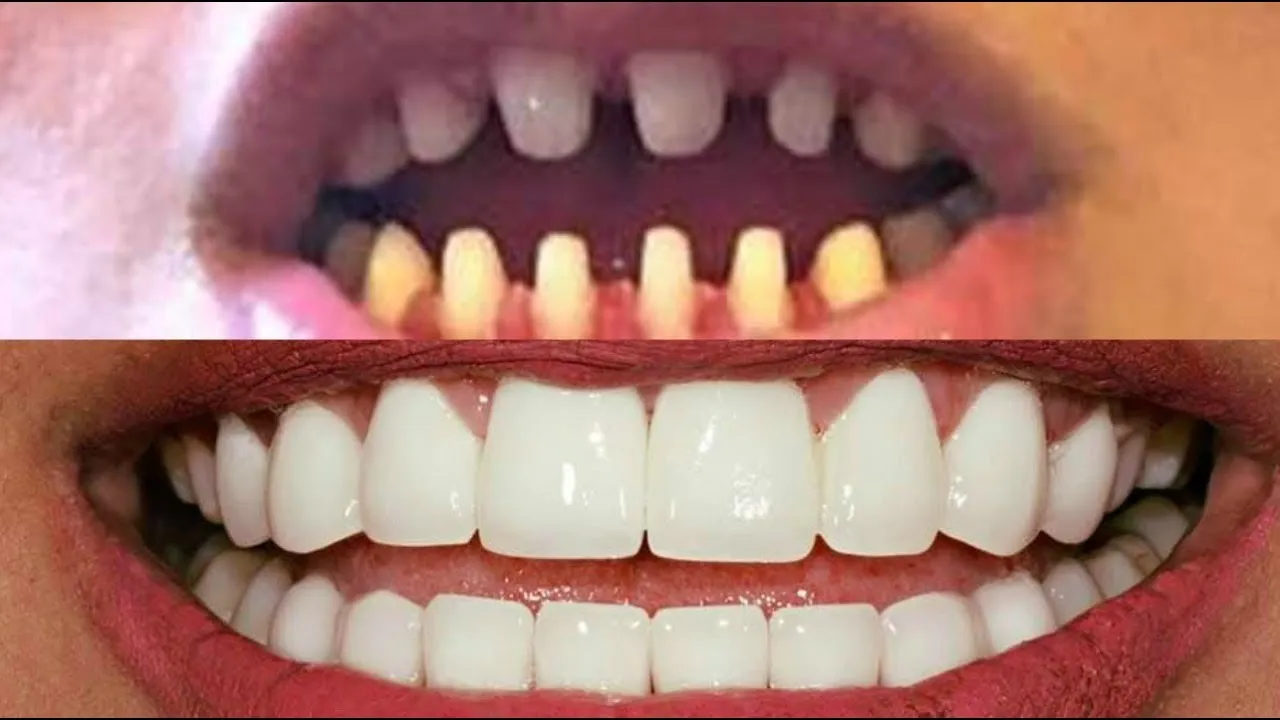
Your dentist may consider reshaping not only for appearance, but also to correct a functional problem. During the examination, the strength of the tooth, enamel thickness and bite relationships are reviewed.
- Smoothing a slightly chipped or sharpened tooth edge
- Making a limited length adjustment on a front tooth that looks long
- Balancing small size differences between teeth
- Creating a controlled amount of space during orthodontic treatment
- Correcting the bite contact of a filling or crown that sits high
- Preparing a tooth for a crown or another restoration
- Smoothing a rough surface that rubs against the tongue or cheek
A sharp edge, an early contact, discomfort while chewing or a newly developing change in shape may require assessment. With fractures and cracks, reshaping alone may not be enough.
Are Reshaping, Slimming and Trimming the Same Procedure?
Although these terms are used interchangeably in everyday speech, they can describe different clinical procedures. The location and amount of tissue to be removed change according to the aim of treatment.
| Procedure | Main Purpose | Area Treated |
|---|---|---|
| Edge contouring | Correcting a small notch, sharp point or length difference | The outer edge of the tooth |
| Interproximal reduction | Creating limited space for orthodontic movement | The contact surfaces of neighboring teeth |
| Adjusting a filling or crown | Setting the height, contour or bite contact | The restoration surface |
| Crown preparation | Creating room for a restoration | Several surfaces of the tooth |
Tooth reduction for a crown preparation in particular is more extensive than simple edge reshaping. The risks and treatment plans of these two procedures are not the same.
How Is Tooth Reshaping Done?
In the first stage, the teeth, gums and bite relationships are assessed. If there is decay, a crack, wear or an old restoration, the plan is changed accordingly. A radiographic examination may be taken when needed.
- The area to be corrected and the limits of the procedure are defined.
- The bite contacts are marked and any excess contact points are reviewed.
- A fine bur, disc or abrasive strip is selected.
- The tooth tissue is reduced in a controlled, gradual way.
- The surface is smoothed and polished.
- The bite and the contacts between the teeth are checked again.
In orthodontic procedures that require enamel reduction between teeth, special measuring tools may be used. The aim is to create the space needed without going beyond the planned limit.
One situation we see often in our clinic is a high filling being mistaken for excess natural tooth tissue. Before the procedure, it must be established which structure is creating the early contact.
Does Tooth Reshaping Hurt and How Long Does It Take?
Anesthesia may not be needed for limited procedures that stay at the superficial enamel level. Even so, you may feel vibration, pressure or hear the sound of the instrument.
If the tooth already has sensitivity, a crack or deep tissue loss, the likelihood of discomfort changes. For more extensive preparations, your dentist assesses whether local anesthesia is needed.
Correcting a single edge is usually a short clinical procedure. The time depends on the number of teeth, the aim of the reshaping and any accompanying treatments. Orthodontic enamel reduction or crown preparation can take longer.
Is Tooth Reshaping Harmful?
Tooth reshaping should not be regarded as entirely risk-free. Because enamel does not re-form, doing more than necessary can cause permanent tissue loss.
In reviews of orthodontic interproximal enamel reduction, well-planned procedures have not been shown to noticeably increase decay or sensitivity. However, the quality of evidence in some studies is low or very low.
Possible problems include:
- Sensitivity to hot, cold or sweet foods
- Exposure of the dentin layer
- The tooth shape becoming disproportionate
- Disturbance of the bite balance
- Easier plaque build-up on a surface left rough
- Damage progressing in a cracked or weak tooth
Teeth with active decay, thin enamel, a clear crack or advanced wear may need different treatments. For large differences in shape and position, orthodontic or restorative options are considered.
How Are Long, Large or Jagged Front Teeth Corrected?
A long front tooth can be shortened with limited edge contouring. First, though, it must be established whether the tooth is genuinely long or only looks long because of the position of the neighboring teeth.
With large teeth, reshaping the edge alone is not always enough. Tooth width, the bite, the gum level and the available space in the jaw are assessed together. Orthodontic treatment or restorative methods may be needed.
Why Do Front Teeth Look Jagged?
Newly erupted permanent incisors can have small bumps along their edge. These natural structures, called mamelons, may wear down over time through chewing contact.
If the jagged look has appeared later, a fracture, teeth clenching or wear should be investigated. A small rough spot can be reshaped. If tissue loss is greater, a protective method such as a filling may be needed.
The Difference Between Excessive Tooth Wear and Reshaping
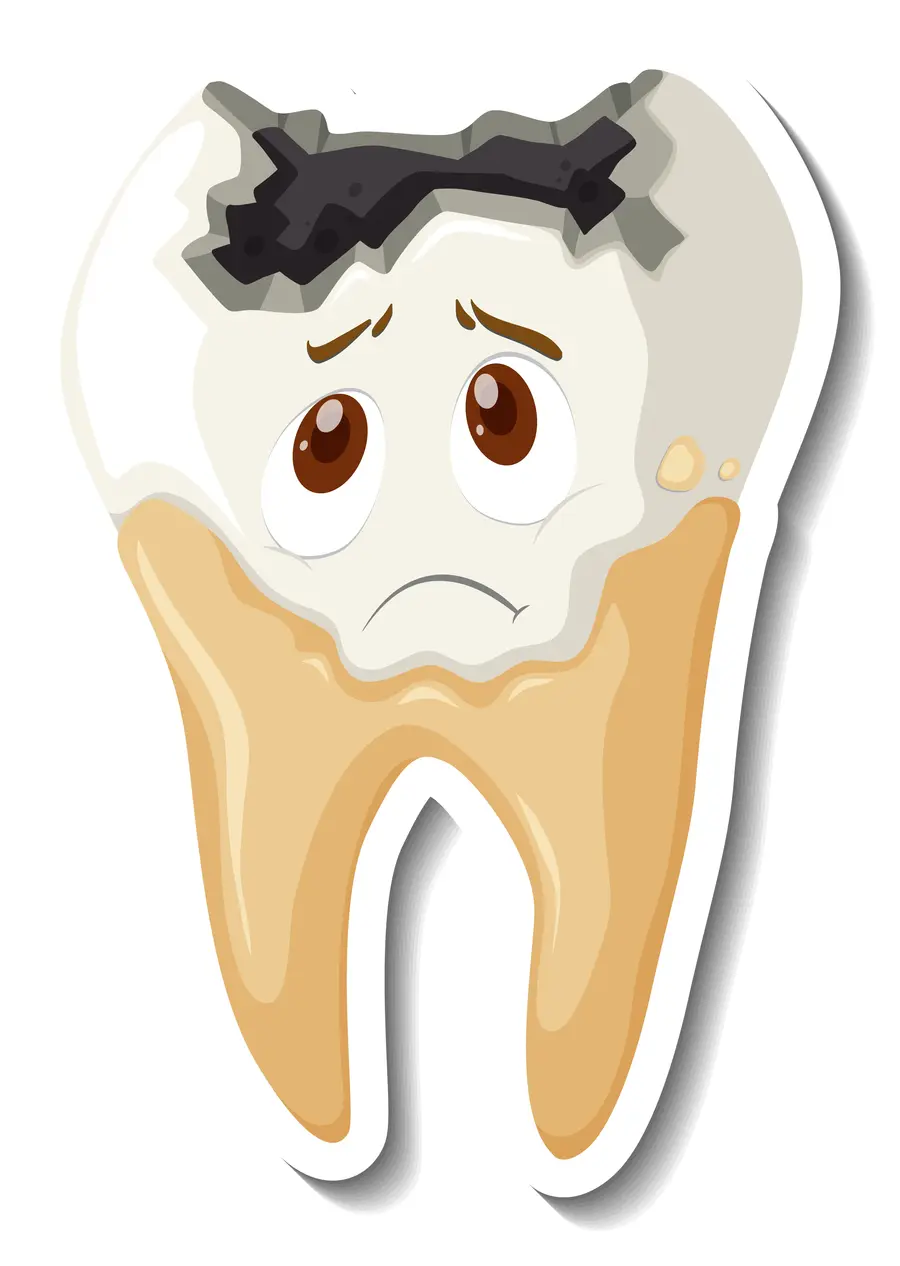
Tooth reshaping is a planned clinical procedure. Excessive tooth wear, on the other hand, is the unintended loss of tooth tissue over time.
Teeth clenching and grinding, hard brushing, acidic drinks or stomach acid reaching the mouth can contribute to wear. Correcting the edges without identifying the cause may not solve the problem.
On worn teeth you may notice sensitivity, a yellow appearance, thinning at the edges or a loss of height. If these signs are present, protective planning should be preferred over reshaping the teeth further.
Sensitivity After the Procedure and Home Care
Mild, temporary sensitivity can occur after a limited procedure. If the pain increases or lasts a long time, you need to see your dentist.
- Brush your teeth twice a day with fluoride toothpaste.
- Use a soft-bristled brush and do not apply too much pressure.
- Limit very hot and very cold foods while sensitivity lasts.
- Clean between your teeth regularly with the recommended method.
- Do not try to reshape a tooth with a nail file or sandpaper.
Using abrasive products without a dentist's advice can make the surface even rougher. Daily care advice should be personalized to the tooth and the procedure performed.
When Should You See a Dentist?
A broken or cracked tooth should be assessed even if there is no obvious pain. Do not delay a check-up if you notice the following:
- Pain that starts on its own or wakes you at night
- Sharp pain while biting
- Swelling in the face or gums
- Long-lasting sensitivity to hot and cold
- Mobility of the tooth or a fracture that is spreading
- A clear change in your bite after the procedure
Can Fillings and Zirconia Crowns Be Reshaped?
A filling that sits high or feels rough can be adjusted by a dentist in a controlled way. After the adjustment, the bite should be checked again and the surface polished.
Zirconia crowns can also be adjusted within limits when necessary. It is important to re-polish the ceramic surface with suitable tools. Excessive adjustment can affect the structure or contacts of the crown.
Reshaping a crown or a filling at home can crack the material. It may also be impossible to tell by eye which contact point needs correcting.
Why Do Experiences of Tooth Reshaping Differ?
Experiences shared online can describe different procedures under the same name. One person may have had only a sharp edge corrected, while another had orthodontic enamel reduction.
Sensitivity, procedure time and the care required vary with the starting condition of the tooth. Someone else's experience does not replace an examination or a personal treatment plan.
How Is the Cost of Tooth Reshaping Set in 2026?
The guide fee schedule of the Turkish Dental Association (TDB), valid from 1 January 2026, has no separate fee item named "tooth reshaping". The procedure may be planned as one stage of different treatments.
| Factor Affecting the Fee | Why It Matters |
|---|---|
| The aim of the procedure | Edge contouring, orthodontic enamel reduction and crown preparation are not the same scope. |
| Number of teeth | Work on a single tooth is planned differently from work on several teeth. |
| Examination and imaging | Extra investigation may be needed when a crack or decay is suspected. |
| Accompanying treatment | Fillings, orthodontics or crowns can change the overall plan. |
For this reason, giving a reliable 2026 price range in Turkish lira without an examination can be misleading. Fee information is for guidance only; the final fee is set after an examination.
Frequently Asked Questions
Does tooth reshaping hurt?
Anesthesia may not be needed for limited procedures that stay at the superficial enamel level. If there is existing sensitivity, a crack or an extensive preparation, the likelihood of discomfort can change.
Does a reshaped tooth decay?
There is no strong evidence that controlled enamel reduction between teeth increases the risk of decay. Even so, excessive tissue loss, poor polishing and poor oral hygiene can affect the risk.
How are long front teeth shortened?
A limited difference in length can be adjusted with edge contouring done by a dentist. For clear differences, the bite, gum level and tooth position are assessed together.
How is a jagged tooth corrected?
Natural mamelons do not always need treatment. If there is a fracture or an uncomfortable sharp edge, options such as reshaping or a filling can be considered after an examination.
Can a filling be reshaped?
A filling that sits high or feels rough can be adjusted and polished by a dentist. Interfering with it at home can damage the filling and the tooth tissue around it.
Can a zirconia crown be reshaped?
A zirconia crown can be adjusted within limits when necessary. The surface must be re-polished with suitable tools and the bite checked afterwards.
What does "having a tooth ground down" mean?
This everyday phrase describes shaping tooth tissue with rotary dental instruments. On its own it does not explain how much tissue will be removed or which procedure is meant.
How much does tooth reshaping cost in 2026?
Tooth reshaping is not listed as a separate procedure in the TDB 2026 guide fee schedule. The fee varies with the aim and scope of the work; any figure is for guidance and is confirmed after an examination.
Sources
- Turkish Dental Association (TDB) 2026 Examination and Treatment Fee Schedule
- Effects of Interproximal Enamel Reduction Techniques Used for Orthodontics: A Systematic Review
- The Role of Interproximal Reduction in Clear Aligner Therapy
- Chipped, Broken or Cracked Tooth
- Home Oral Care
- Comparison of Polishing Methods for Monolithic All-Ceramic Crowns After Occlusal Adjustment