
The most common cause of bleeding gums is gum inflammation caused by plaque building up around the teeth. Hard brushing, trauma, hormonal changes and some general health problems can also cause bleeding.
Bleeding that happens out of nowhere, on waking in the morning or repeatedly while brushing should not be ignored. If the bleeding does not stop with pressure, is very heavy or comes with bleeding elsewhere, it needs prompt assessment.
What Are Bleeding Gums and What Are the Symptoms?
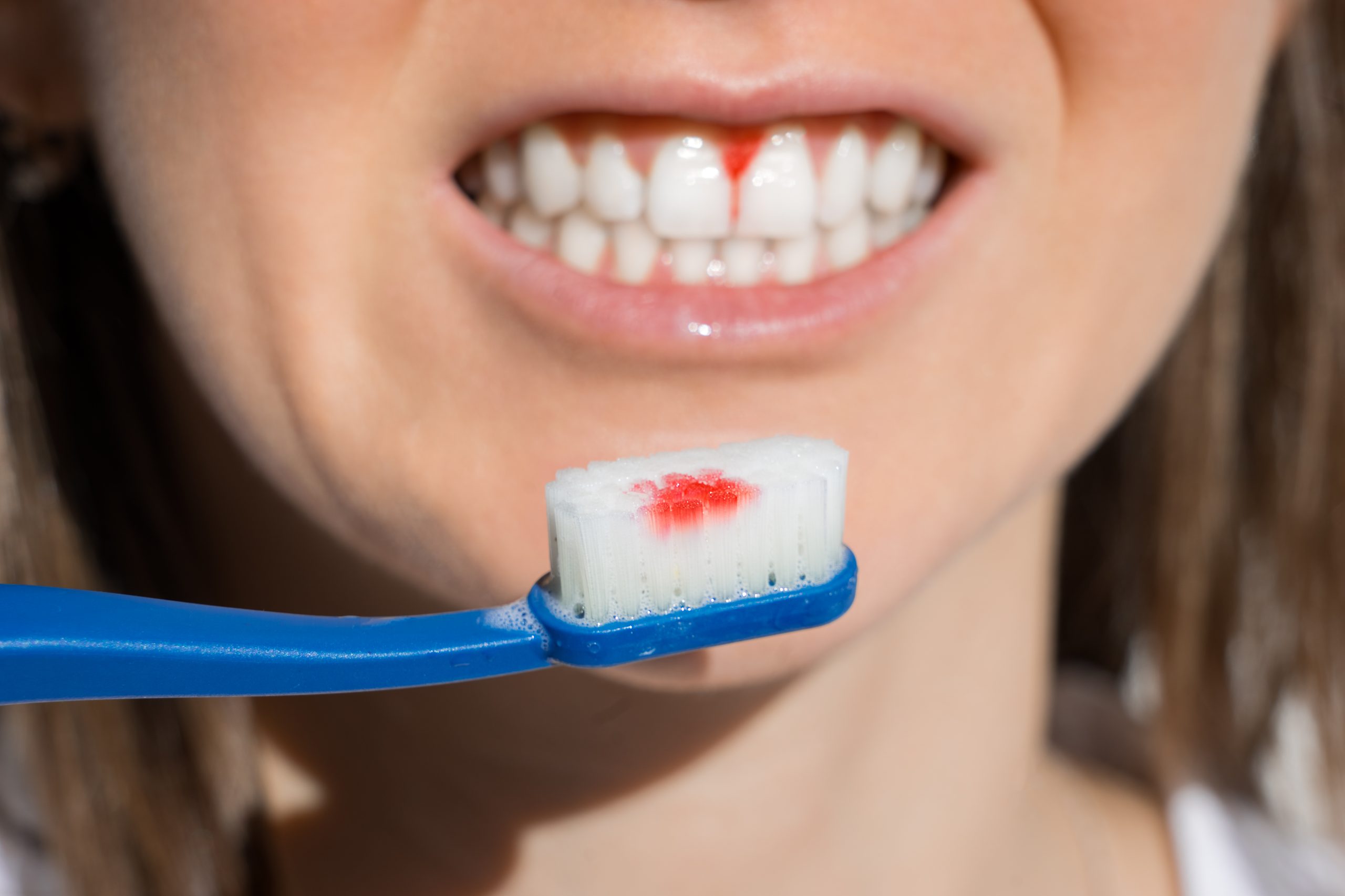
Bleeding gums means blood coming from the soft tissue that surrounds the teeth. The bleeding may be noticed while brushing, cleaning between the teeth or eating a hard food. Some people notice the taste of blood when they wake up.
Healthy gums are usually firm and do not bleed easily during daily cleaning. However, a single episode of slight bleeding does not always mean advanced disease. How often the bleeding happens, how much there is and the accompanying symptoms should be assessed together.
In gum disease, the following symptoms can appear along with bleeding:
- Red, swollen or tender gums
- Bleeding while brushing or cleaning between the teeth
- Bad breath or a bad taste in the mouth
- Receding gums and teeth that look longer
- A pocket forming between the gum and the tooth
- Sensitivity while chewing
- Loose teeth or gaps opening between them
- Swelling, discharge or a non-healing sore on the gum
What Causes Bleeding Gums?
The most common cause of bleeding gums is bacterial plaque building up at the gum line. When plaque is not cleaned regularly, it can lead to gum inflammation, known as gingivitis. Inflamed tissue becomes more sensitive and bleeds easily.
The possible causes of bleeding are:
- Gum inflammation: can involve redness, swelling and bleeding caused by plaque build-up.
- Periodontitis: the inflammation may have progressed to the tissues that support the tooth. Receding gums and loose teeth can accompany it.
- Tartar: hardened plaque cannot be removed by brushing at home. It can irritate the gum line constantly.
- Hard or incorrect cleaning: a hard-bristled brush, too much pressure and incorrect flossing can injure the tissue.
- Trapped food: food stuck between the teeth can cause local swelling and bleeding.
- Ill-fitting restorations or dentures: overhanging filling margins and poorly fitting dentures can irritate the gum.
- Orthodontic appliances: cleaning around braces is harder, which can increase plaque build-up.
- Hormonal changes: during puberty and pregnancy, the gums' response to plaque can increase.
- Tobacco use and diabetes: these can affect the risk of periodontal disease and how it progresses.
- Medicines: some medicines that affect clotting can make bleeding more noticeable.
- Nutritional deficiencies: severe vitamin C deficiency in particular can be linked to bleeding, swollen gums.
- Bleeding disorders: platelet or clotting problems are among the rarer causes.
- Trauma and recent procedures: bleeding can occur after a mouth injury, a tooth extraction or surgery.
| Possible Cause | Findings That May Accompany It | First Assessment |
|---|---|---|
| Plaque-related gingivitis | Redness, swelling, bleeding while brushing | Dental examination and review of oral care |
| Periodontitis | Receding gums, bad breath, loose teeth | Periodontal examination and X-rays if needed |
| Brushing trauma | Grazing or tenderness in a specific area | Review of the brush and cleaning technique |
| Irritation from a denture or restoration | Local sore, pressure and food trapping | Check of fit and margins |
| Medicines or a general health problem | Easy bruising, nosebleeds, prolonged bleeding | Dental and, if needed, medical assessment |
| Gum sensitivity in pregnancy | Swelling, tenderness and bleeding during cleaning | Adjusted oral care and dental check-up |
Why Do Gums Bleed Out of Nowhere?
Gums bleeding out of nowhere means bleeding that starts without any noticeable contact. Most of the time there is silent gum inflammation underneath, related to plaque and tartar. Trapped food or a small, unnoticed injury can also start the bleeding.
Frequently recurring spontaneous bleeding should not be attributed to oral hygiene alone. Current medicines, pregnancy, diabetes and clotting problems are taken into account in the assessment. Prescription medicines should not be stopped without speaking to your dentist or the relevant clinician.
Why Do Gums Bleed When You Wake Up?
Bleeding noticed in the morning is usually gum seepage that began overnight and is then seen in the saliva. Plaque-related inflammation, a dry mouth and breathing through the mouth can increase tissue sensitivity.
The source of a taste of blood is not always the gums. Blood from the nose or throat can also be noticed in the mouth. If morning bleeding recurs, the source should be identified by an examination.
Why Do Gums Bleed While Brushing?
Bleeding during brushing is usually the first noticed sign of existing gum inflammation. A hard-bristled brush or too much pressure can also injure healthy tissue.
Stopping brushing altogether because of bleeding can increase plaque build-up. A soft-bristled brush and gentle pressure should be used instead. If the bleeding does not ease within a few days, a dental examination is needed.
Can a Decayed Tooth Bleed?
What people call "bleeding from a decayed tooth" most often comes from the inflamed gum around the tooth. Deep decay, a fracture or an infection can affect the tissues in the area. An examination shows whether the bleeding comes from the tooth or the gum.
If pain, facial swelling, a bad taste or fever is present, the possibility of infection should be assessed. With these symptoms, see a dentist rather than waiting for it to pass at home.
How Do You Stop Bleeding Gums?
With mild bleeding caused by gum inflammation, the aim is not to brush the area harder or to stop cleaning it. Cleaning should continue with a soft-bristled brush and gentle movements. With recurring bleeding, a lasting solution depends on identifying the cause.
If there is active bleeding from a specific point after trauma or a procedure, the following steps can be applied:
- Wash your hands and try to identify the bleeding area.
- Place clean, slightly dampened gauze over the area.
- Apply firm, uninterrupted pressure to the gauze for 20 to 30 minutes.
- Do not lift the gauze to check frequently during this time, so the clot is not disturbed.
- Temporarily avoid hot drinks, hard foods and intense physical activity.
- If the bleeding does not stop, repeat the pressure with fresh gauze and seek emergency care.
For bleeding after a tooth extraction or oral surgery, the instructions of the clinician who carried out the procedure take priority. Do not place a painkiller tablet, alcohol or any caustic substance on the area. Do not use antiseptic products without professional advice.
How Do Bleeding Gums Get Better?
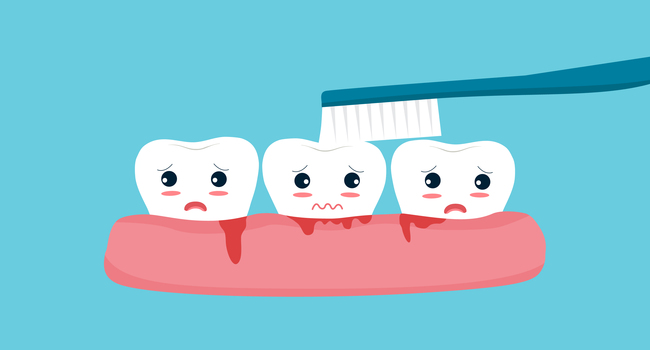
Bleeding gums getting better depends on controlling the condition that causes the bleeding. Simply stopping the blood for a while does not remove an underlying cause such as plaque or tartar.
During the examination, gum color, swelling, plaque, tartar and periodontal pocket depths can be assessed. Loose teeth, decay, ill-fitting restorations and pressure from dentures are also checked. X-rays may be requested when necessary.
Treatment options are planned according to the cause:
- For gingivitis: professional teeth cleaning and a daily oral care routine suited to you can be recommended.
- For periodontitis: cleaning deposits below the gum and root surface procedures may be needed.
- For advanced periodontal problems: surgical options can only be considered based on examination findings.
- For decay or a fracture: a filling, root canal treatment or other options can be planned according to the condition of the tooth.
- For irritation from a denture or restoration: correcting the areas under pressure or replacing the restoration may be needed.
- Where a general health problem is suspected: blood tests and an assessment by the relevant medical specialty may be requested.
Vitamin supplements should not be started on the basis of bleeding gums alone. If a vitamin C or K deficiency is suspected, the diagnosis is made with a medical history and the necessary tests.
When Should You See a Dentist?
Recurring bleeding while brushing can call for an examination even when it is painless. Early assessment helps bring gum inflammation under control before it progresses.
See a dentist without delay in the following situations:
- Bleeding that recurs over several days
- Marked swelling, pain or discharge in the gums
- Persistent bad breath or a bad taste
- Noticing receding gums or loose teeth
- A sore, red patch or white patch in the mouth lasting more than two weeks
- Bleeding that starts along with pregnancy, diabetes or a new medicine
What Should You Do If the Bleeding Will Not Stop?
Bleeding that does not stop within 20 to 30 minutes despite continuous pressure needs emergency assessment. If the bleeding is very heavy, or there is dizziness, faintness or difficulty breathing, seek emergency medical care.
Easy bruising, frequent nosebleeds or bleeding elsewhere in the body can suggest a general clotting problem. People taking medicines that affect blood clotting should inform the healthcare team rather than stopping the medicine themselves.
Which Doctor Should You See for Bleeding Gums?
For a first assessment, see a dentist. If gum disease is found, an assessment in periodontics may be needed. If a general health problem is suspected, the dentist can refer you to the relevant medical specialty.
How Can Bleeding Gums Be Prevented?
Regular, correct oral care is the foundation of preventing plaque-related bleeding gums. The method should be tailored to the alignment of your teeth, any dentures and the condition of your gums.
- Brush your teeth twice a day with fluoride toothpaste.
- Use a soft-bristled toothbrush and do not apply too much pressure.
- Clean between your teeth every day with suitable floss or an interdental brush.
- Do not leave a bleeding area uncleaned; care for it with gentle movements.
- Avoid tobacco products.
- If you have diabetes, keep up your blood sugar monitoring and dental check-ups.
- Do not put off bleeding during pregnancy by treating it as normal.
- Pay attention to the cleaning and fit of removable dentures.
- Do not use vitamins or mouthwash products as a treatment without an examination.
One situation we see often in our clinic in Bursa, Turkey is patients stopping brushing because of bleeding. This can increase plaque build-up. The right brush and interdental cleaning technique should be demonstrated according to the examination findings.
Frequently Asked Questions
Why do gums bleed out of nowhere?
The most common cause is gum inflammation from unnoticed plaque and tartar build-up. Medicines, hormonal changes and, more rarely, clotting problems should also be assessed.
How do you stop bleeding gums at home?
If there is active bleeding from a specific point, firm pressure with clean gauze can be applied for 20 to 30 minutes. If the bleeding does not stop or is very heavy, emergency assessment is needed.
Why do gums bleed in the morning?
Blood seen in the morning can be related to plaque-driven gum inflammation or to a dry mouth overnight. It should also be checked that the blood is not coming from the nose or throat.
Which doctor should you see for bleeding gums?
See a dentist first. If needed, a periodontal assessment or a referral to the relevant medical specialty for general health problems will follow.
Is bleeding while brushing normal?
A single episode of slight bleeding can be due to trauma, but recurring bleeding is not considered healthy. It should be examined for plaque-related gum inflammation.
Can a vitamin deficiency cause bleeding gums?
Severe vitamin C deficiency and a vitamin K deficiency that affects clotting can contribute to bleeding. A diagnosis cannot be made from this symptom alone, and supplements should not be started at random.
Can a decayed tooth cause bleeding?
The blood usually comes from the inflamed gum around the decayed tooth. If there is deep decay, a fracture or an infection, the source of the bleeding should be identified by an examination.
How does a blood blister on the gum resolve?
A dark swelling on the gum can be a collection of blood caused by trauma, but it can be confused with other lesions. If the swelling grows, is painful or does not shrink within a few days, see a dentist.