
Teeth cleaning (scaling) is the removal of hardened plaque and tartar with professional instruments. Short-lived sensitivity, twinges or gum bleeding can follow.
Cleaning carried out by a dentist with the right technique is generally not harmful. The routine procedure takes 10-40 minutes for most people, while deep gum cleaning can take longer.
What Is Tartar and Why Is It Removed?
A sticky layer of bacteria called plaque forms on the teeth constantly. Plaque that is not removed by brushing and interdental cleaning can harden with minerals from saliva and turn into tartar.
Tartar is seen most often on the inner surfaces of the lower front teeth and on the cheek-facing surfaces of the upper molars. It can also form below the gum line.
Hardened tartar cannot be removed with a toothbrush or dental floss. Without professional cleaning, new plaque collects around it more easily. This can be linked to redness, swelling, bleeding and bad breath.
In advanced gum disease, the tissues and bone that support the teeth can be affected. For that reason, the decision to clean is not based on the visible amount of tartar alone. A gum examination is also needed.
Is Teeth Cleaning Harmful?
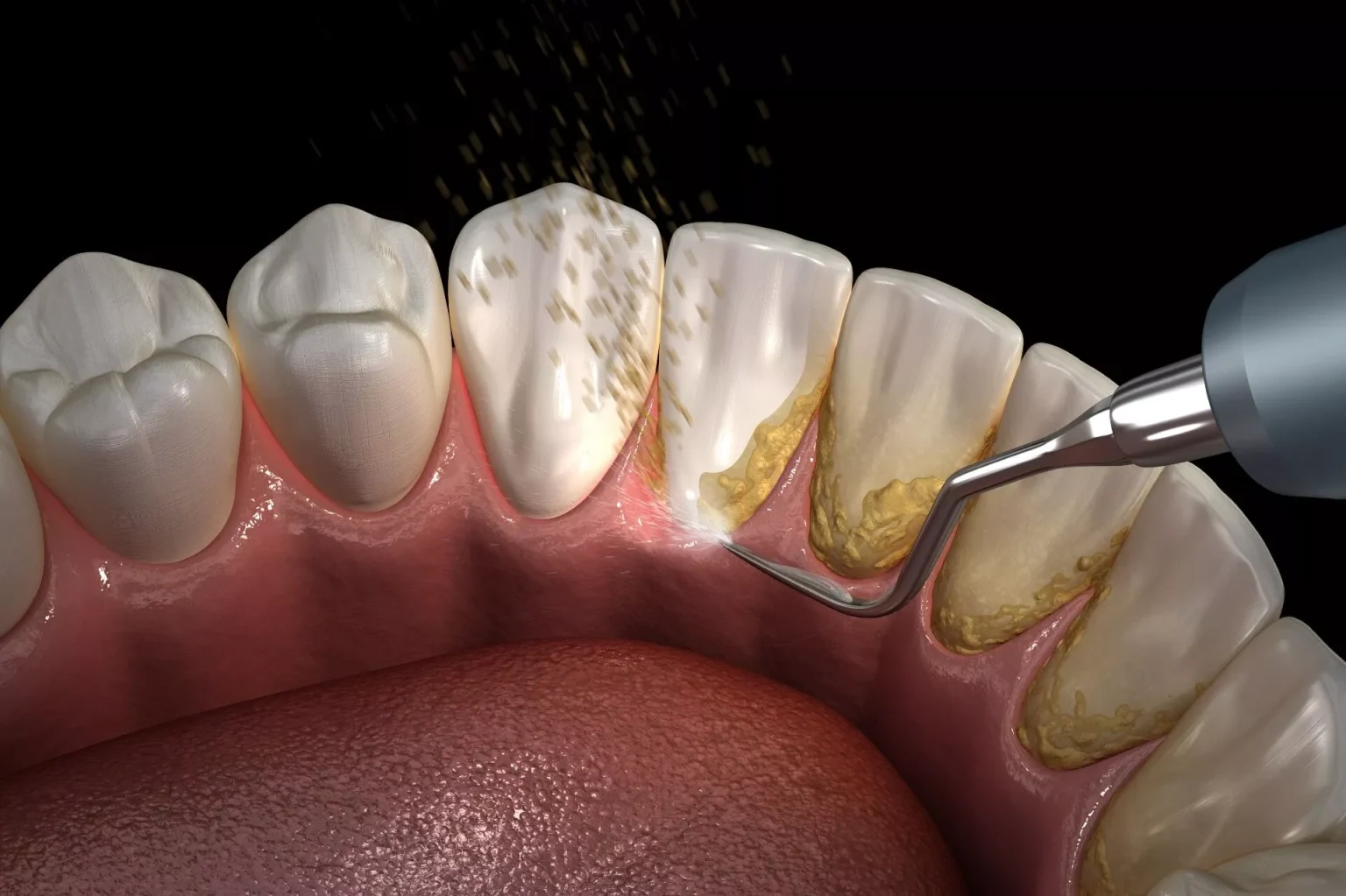
No, professional teeth cleaning is generally not harmful. The aim is not to scrape away healthy tooth tissue but to remove the hard deposits on the tooth surface.
Ultrasonic devices and hand instruments may both be used during cleaning. The method depends on where the buildup sits, the health of the gums and how sensitive the teeth are.
The temporary changes felt afterwards are sometimes read as damage. Most of them are linked to the tartar being removed or to inflamed tissue starting to heal.
- Sensitivity: Root surfaces that were previously covered with tartar may twinge on contact with heat, cold or air.
- Light bleeding: Inflamed gums can bleed a little during the procedure or in the first few days.
- Gaps becoming noticeable: When tartar is removed, natural spaces that were filled with deposits can become visible.
- Teeth looking longer: As swollen gum tissue heals and shrinks, the root surfaces can appear more prominent.
- Temporary gum tenderness: Tenderness lasting a few days can develop, especially if deposits below the gum line were cleaned.
Trying to remove tartar with metal objects or home scrapers is not safe. Such attempts can injure the gums and damage the tooth surface.
How Is Teeth Cleaning Done?
The dentist first assesses the teeth, the gums and any periodontal pockets. Where necessary, radiographs may be used to examine the bone level.
Deposits above the gum line are removed with an ultrasonic device or hand instruments. If there are deposits and periodontal pockets below the gum line, more extensive root surface cleaning may be needed.
Local anesthesia can be used during deep cleaning to improve comfort. The work may be completed in one session or divided into areas across separate appointments.
After cleaning, the surfaces that need it may be polished. In the final step, a brushing and interdental cleaning method suited to you is explained.
How Long Does Teeth Cleaning Take?
The time needed is not the same for everyone. The amount of buildup, whether it extends below the gum line, the number of teeth and the presence of periodontal disease all affect it.
| Scope of the procedure | Approximate time | What affects the time |
|---|---|---|
| Limited buildup above the gum line | 10-20 minutes | A small amount of easily reachable tartar |
| Widespread tartar removal | 20-40 minutes | Deposits in several areas and any polishing needed |
| Deep cleaning below the gum line | 30-60 minutes or longer | Periodontal pockets, root surface cleaning and local anesthesia |
| Advanced periodontal deposits | More than one session | Cleaning the mouth area by area |
The times in the table are approximate. The scope of the work and the number of sessions only become clear after a gum examination.
Is Teeth Cleaning Painful?
Routine teeth cleaning does not cause strong pain in most people. You may feel vibration, water, pressure or a brief twinge.
Discomfort can be more noticeable if the gums are inflamed, the root surfaces are exposed or the deposits sit below the gum line. Where necessary, the area can be numbed with local anesthesia.
If you feel sharp pain during the procedure, tell your dentist. The pressure used, the device setting or the need for anesthesia can be reconsidered.
Can Tartar Cause Toothache?
Tartar does not always cause pain directly. However, the plaque that collects around it can contribute to gum inflammation and sensitivity.
Constant, throbbing pain, or pain that worsens at night, should not be put down to tartar alone. An examination is needed to check for decay, cracks, nerve problems or infection.
What to Do After Teeth Cleaning
The main aim afterwards is to keep up your oral care without straining sensitive tissue. The specific advice your dentist gives you comes before any general information.
- Clean your teeth with a soft-bristled brush and without pressing too hard.
- Clean between your teeth every day with the recommended floss or interdental brush.
- Limit very hot, cold, hard or spicy foods on the first day.
- If you have sensitivity, choose warm and soft foods.
- Do not stop your oral care altogether, even if your gums bleed slightly.
- Ask your dentist before using a mouthwash or a sensitivity product.
- Avoid tobacco. It can have a negative effect on gum health and healing.
Can You Brush Your Teeth After Teeth Cleaning?
Yes, if only routine cleaning was done, you can brush the same day. Use a soft-bristled brush and do not press hard on the gum line.
Instructions may differ if you had deep cleaning, periodontal surgery or a special application. In that case, follow the care plan given to you afterwards.
Brushing twice a day with fluoride toothpaste and cleaning between the teeth daily limits new plaque buildup. After brushing, it is better to spit out the toothpaste rather than rinsing straight away with water.
Can You Eat After Teeth Cleaning?
If only standard cleaning was done, most people can eat as soon as they feel comfortable. There is no general rule that you must wait two hours after every procedure.
If local anesthesia was used, it is safer not to eat until the numbness wears off. Otherwise you could bite your cheek, lip or tongue without noticing.
If an extra application such as fluoride varnish was used, the waiting time depends on the product. You need to follow the time your dentist gives you.
Warm, soft foods can be more comfortable for the first meal. Very hot, ice-cold, hard or spicy foods can increase sensitivity.
Can You Drink Water After Teeth Cleaning?
After a standard cleaning, drinking water is usually fine. If you are still numb, avoid very hot drinks.
If fluoride varnish or another surface application was used, you may be asked to wait before drinking as well. Follow the aftercare instructions you were given.
Sensitivity and Twinges After Teeth Cleaning
Sensitivity after cleaning is felt most often with cold water, hot drinks, sweet foods or contact with air. It can be more noticeable after cleaning below the gum line.
When tartar is removed, a root surface that was previously covered can meet external stimuli. Healing of inflamed gum tissue can also make the root surface more exposed.
How Long Does the Sensitivity Last?
Mild twinges after routine cleaning ease within a few days for most people. After deep gum cleaning, sensitivity can last up to a week.
The level of periodontal disease and any pre-existing root exposure affect how long it lasts. In some people sensitivity continues longer and further assessment may be needed.
While the sensitivity lasts, avoid hard brushing and very hot or cold foods. Choose a suitable sensitivity product together with your dentist.
Do the Gums Recede After Teeth Cleaning?
The gum line can look different after teeth cleaning. This is usually related to existing tartar being removed and swelling in inflamed gums going down.
Advanced gum disease may already have caused tissue and bone loss. Cleaning can make the root surface and the spaces between the teeth, previously hidden by deposits, visible.
One thing we see often at our clinic is patients thinking a new gap has formed after the procedure. Most of the time, existing spaces simply become noticeable once the tartar is gone.
If there is obvious recession, root sensitivity or a cosmetic concern, a gum examination should be carried out. The approach is planned according to the cause and extent of the tissue loss.
When Should You See a Dentist?
Mild sensitivity and limited gum bleeding usually ease quickly. The following signs call for a dental assessment:
- Pain that keeps increasing or affects daily life
- Marked sensitivity lasting more than a week or getting worse
- Bleeding that will not stop, is heavy or keeps coming back
- Increasing swelling of the gums or the face
- Pus, a bad taste, fever or noticeable bad breath
- Newly developed, obvious looseness of a tooth
- Toothache that wakes you at night, throbs or starts on its own
How Often Should Teeth Cleaning Be Done?
There is no fixed six-month calendar that everyone must follow for teeth cleaning. The right interval is set according to your personal risk of gum disease.
People who build up tartar quickly, who smoke, who wear an orthodontic appliance or who have a history of periodontal disease may need check-ups more often. The interval can be longer for people with good oral care.
How often you have a check-up is not the same as how often you need cleaning. Cleaning is not required at every visit. It is planned when the examination shows a clinical need.
How Can You Reduce Tartar Buildup?
Home care cannot remove tartar that has already formed. It does help to reduce the hardening of plaque and the formation of new deposits.
- Brush your teeth twice a day for about two minutes with fluoride toothpaste.
- Clean between your teeth every day with floss or a correctly sized interdental brush.
- Use controlled, gentle movements along the gum line rather than scrubbing hard.
- Ask your dentist for personalized cleaning advice for areas your brush cannot reach.
- Avoid tobacco and keep up your regular oral examinations.
- Have gum bleeding, swelling or persistent bad breath assessed without delay.
Regular, correct home care does not replace professional cleaning. It does help protect gum health by keeping new plaque buildup under control.
Frequently Asked Questions
Is teeth cleaning harmful?
Teeth cleaning carried out by a dentist with the right technique is generally not harmful. Short-lived sensitivity, twinges or light bleeding can occur.
How many minutes does teeth cleaning take?
With limited deposits the procedure can take about 10-20 minutes, and 20-40 minutes with widespread deposits. Deep gum cleaning can take longer or be split over several sessions.
Is teeth cleaning painful?
Routine cleaning does not cause strong pain in most people. If there is gum inflammation or root exposure you may feel twinges, and local anesthesia can be used if needed.
How many hours after teeth cleaning can you eat?
There is no compulsory waiting time after a standard cleaning. If local anesthesia was used, wait for the numbness to pass; if fluoride varnish was applied, follow the instructions given.
Can you drink water after teeth cleaning?
If only standard cleaning was done, you can usually drink water. If an extra fluoride application was used, wait for the time your dentist specifies.
Can you brush your teeth after teeth cleaning?
After routine cleaning you can brush gently the same day with a soft-bristled brush. If deep cleaning or a surgical procedure was done, follow your personal aftercare instructions.
How long does sensitivity last after teeth cleaning?
Mild sensitivity eases within a few days for most people. After deep cleaning it can last up to a week; sensitivity that lingers or increases should be assessed.
Can teeth cleaning cause gum recession?
Removing tartar and the reduction of gum swelling can make existing recession more visible. If there is obvious root exposure or sensitivity, a gum examination is needed.
Sources
- Periodontal (Gum) Disease — National Institute of Dental and Craniofacial Research
- Scaling and Root Planing for Gum Disease — American Dental Association
- Gum Disease — NHS
- Professional Mechanical Plaque Removal — Kent Community Health NHS Foundation Trust
- Your Visit to the Dental Hygienist — Dorset County Hospital
- The Prevalence of Tooth Hypersensitivity Following Periodontal Therapy — PubMed