
Itchy gums is not a disease name on its own. Plaque build-up, gum inflammation, hard brushing and irritation from oral care products are possible causes. Dentures, braces and some allergic reactions can create a similar sensation.
What helps itchy gums depends on the underlying cause. Gentle oral care and stopping an irritating product can bring temporary relief. If the itching continues, or comes with bleeding, swelling and pain, a dental examination is needed.
What Are Itchy Gums?
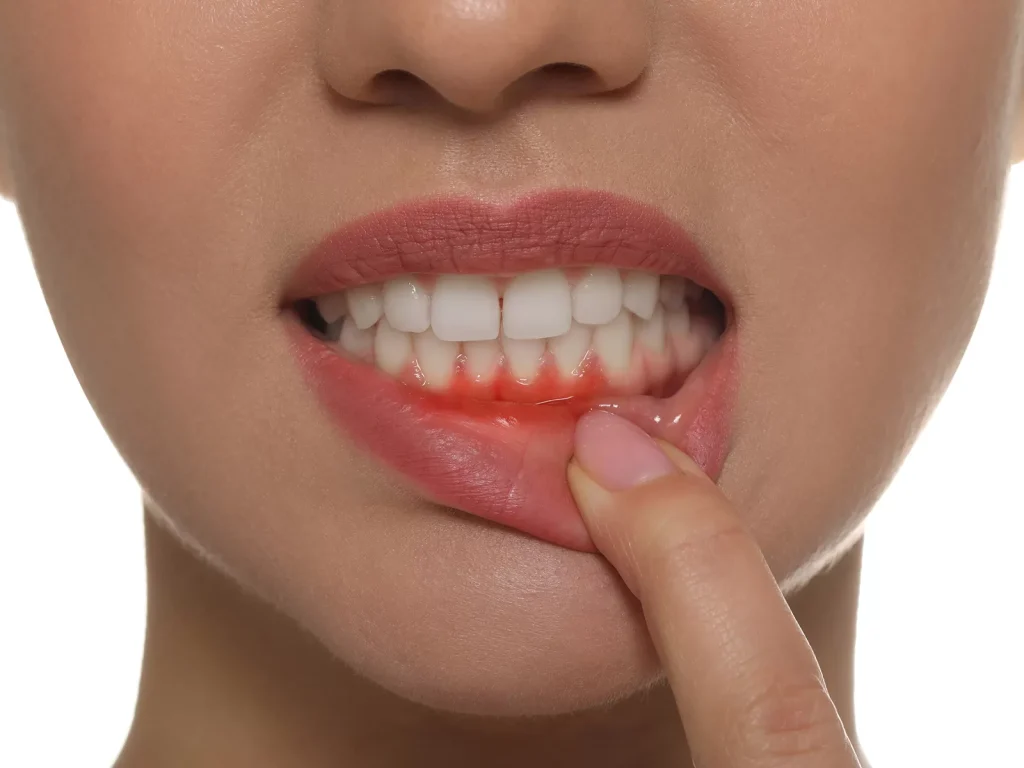
Itchy gums is a complaint described as tingling, a ticklish feeling, burning or the urge to scratch the gums. The sensation patients call "my tooth itches" usually comes from the gum or the nearby oral tissues.
The location of the itching, how long it lasts and any other findings can give clues about the cause. Redness and bleeding at the gum line can suggest plaque-related inflammation. Widespread itching that starts after a new product may be linked to irritation or contact sensitivity.
Itching alone does not point to a specific disease. So using medication or making a firm diagnosis at home based on the symptom alone is not appropriate.
Why Do Gums Itch?
There can be more than one cause of itchy gums. When the symptom started and what else has changed in the mouth should be assessed together.
Plaque Build-Up and Gum Inflammation
Bacterial plaque that is not cleaned from around the teeth can cause inflammation of the gums. The gum can become red and swollen and bleed while brushing. Some people feel these changes as itching or discomfort.
Over time plaque can harden into tartar. Tartar cannot be removed by brushing at home and may need professional cleaning.
Periodontitis
When gum inflammation progresses, the tissues supporting the teeth can be affected. Gum recession, bad breath, loose teeth and discomfort while chewing can occur. Itching is not specific to this disease, but it should be assessed alongside the other findings.
Hard Brushing and Mechanical Irritation
Using a hard-bristled brush or pressing too hard on the gums can irritate the tissue. Food packed between the teeth and restorations with sharp edges can also cause local discomfort.
Scratching the gum with a toothpick, a needle or similar hard objects can cause injury. Rather than irritating the area further, it should be cleaned gently.
Toothpaste and Oral Care Products
Some flavorings, essential oils and other ingredients can, rarely, irritate the oral tissues. Redness, burning, peeling or swelling can occur. Symptoms may start after a new toothpaste or mouthwash.
The complaint easing after you stop the product is an important clue. However, professional assessment is needed if it keeps happening or causes clear tissue changes.
Braces, Aligners and Dentures
Food and plaque can build up around braces, clear aligners or removable dentures. An appliance that does not fit well can press on the gum. This can cause local itching, redness or sores.
Do not try to bend or adjust your appliance yourself. It is safer to have the part that is pressing checked by a dentist.
Allergic Reactions
Some foods can cause itching in the mouth, tongue, lips, throat and palate. Complaints that start after raw fruit, vegetables or nuts in particular may be linked to an allergic reaction limited to the mouth.
If sudden swelling develops in the lips, tongue or throat, do not wait. Seek emergency help if there is difficulty swallowing or breathing.
Less Common Oral Conditions
If there is peeling of the gum, blisters, a persistent red area or recurring sores, other oral conditions can be investigated. Some conditions related to the immune system can affect the gums. A detailed examination and, where needed, further investigation are required for a diagnosis.
What Can Accompanying Symptoms Mean?
The table below is only a general guide. Since the same symptom can have different causes, it does not replace a diagnosis.
| Symptom Pattern | Possible Explanation | First Step |
|---|---|---|
| Itching, redness and bleeding while brushing | Plaque-related gum inflammation | Keep up gentle oral care and book an examination |
| Itching or stinging in one spot | Food packing or mechanical irritation | Clean the area gently with a suitable interdental cleaner |
| Burning and peeling after a new product | Contact irritation or sensitivity | Stop the suspected product and get assessed if it does not settle |
| Itchy palate and tongue after raw foods | A food-related allergic reaction | Avoid the trigger and get medical advice |
| Swelling, pus, severe pain or a loose tooth | Advanced gum problem or infection | See a dentist without delay |
What Helps Itchy Gums and How Do They Settle?
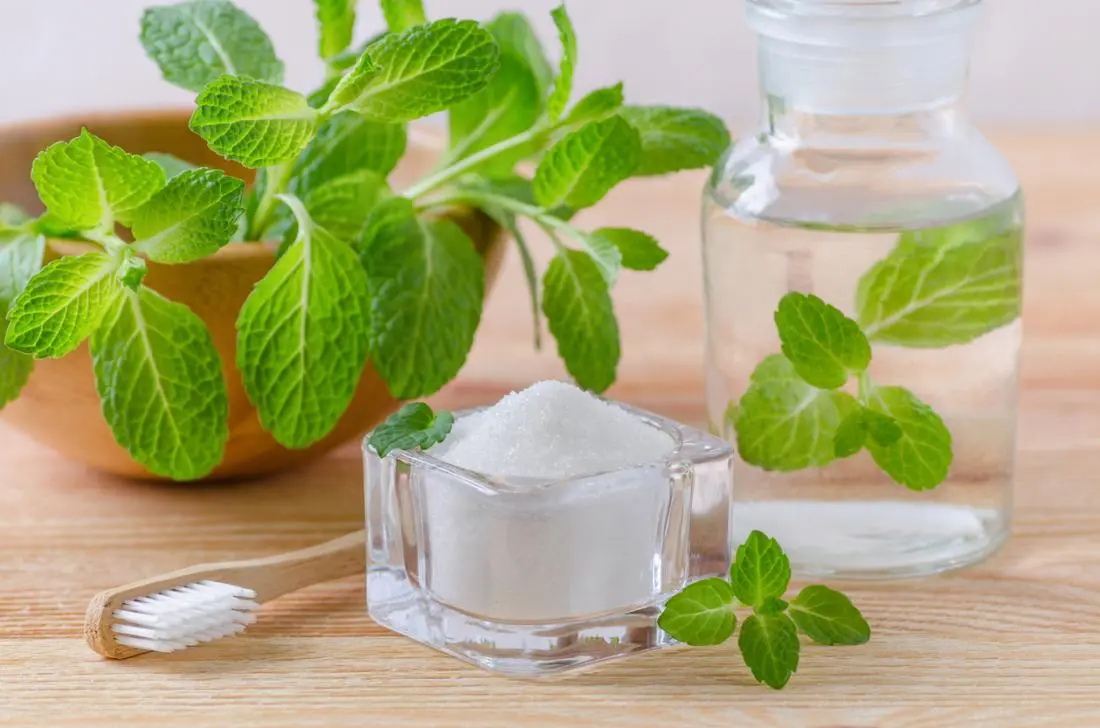
There is no single method or medicine that stops the itching. The aim is to reduce irritation and identify the possible cause. Steps taken at home do not replace professional treatment.
Care Steps You Can Take at Home
- Brush twice a day with fluoride toothpaste for about two minutes.
- Use a soft-bristled brush and do not press hard on the gums.
- Clean between your teeth every day with suitable floss or an interdental brush.
- Rinse your mouth gently with water to remove food debris.
- Drink enough water and avoid habits that can increase dry mouth.
- If very hot, spicy or acidic foods make the discomfort worse, limit them for a while.
- If the complaint started after a new product, stop using the suspected item.
- Clean removable dentures and oral appliances as advised.
After stopping a new oral care product, you can go back to the fluoride product you used without problems before. If symptoms continue, ask a dentist rather than trying different products one after another.
Things That Can Make the Itching Worse
- Do not scratch the gum with a fingernail, toothpick or sharp object.
- Do not brush hard or rub irritated tissue forcefully.
- Do not apply herbal mixtures of unclear origin directly to the gums.
- Do not start antibiotics, antiseptic mouthwash or anti-inflammatory medicine on your own.
Whether medication is needed is decided after an examination. Any medicines needed should be planned on prescription, with the right active ingredient, method of use and duration.
What Helps an Itchy Palate?
An itchy palate does not always come from gum disease. If the symptom started right after a raw food, stop eating that food. Rinse your mouth with water and watch how the symptoms develop.
Noting which food triggered the complaint can help the assessment. If the same thing happens again, get medical advice. An allergy assessment can be planned if it is considered necessary.
If an itchy palate comes with swelling of the lips, tongue or throat, do not wait at home. Seek emergency help if there is difficulty breathing, speaking or swallowing.
If the itching comes with a white area, a sore, burning or peeling tissue, an oral examination is needed. These signs can be linked to irritation, infection or another oral condition.
When Should You See a Dentist?
Mild, short-lived irritation can ease once the trigger is removed. Do not delay an examination if you notice the following:
- Itching that does not ease within a few days or keeps coming back
- Gum bleeding while brushing or on its own
- Marked redness, swelling, pain or recession of the gums
- Persistent bad breath or a bad taste in the mouth
- Discharge from the gum or the appearance of an abscess
- Loose teeth or discomfort while chewing
- A sore, red area, white area or peeling tissue that does not go away
- A denture or orthodontic appliance causing sores and pressure
Rapidly increasing facial swelling, fever, difficulty opening the mouth or trouble swallowing need urgent assessment. Sudden throat swelling with shortness of breath can be a sign of an allergic emergency.
How Is the Cause of Itchy Gums Determined?
The dentist asks when the complaint started, how long it has lasted and what triggers it. New toothpastes, mouthwashes, foods and oral appliances are reviewed. Information about existing conditions and current treatments is also collected.
The oral examination looks at plaque, tartar, bleeding, gum pockets and areas of irritation. Where needed, radiographic imaging or an opinion from another medical field may be requested.
One situation we see often at our clinic is an itchy sensation accompanied by bleeding or food packing. These details can make the cause easier to identify.
How Are Itchy Gums Treated?
Removing Plaque and Tartar
In plaque-related gum inflammation, professional cleaning and personalized oral care can be recommended. Hardened tartar needs to be removed in a clinical setting. Scraping it at home can damage the teeth and gums.
Periodontal Treatment
If inflammation has progressed to the tissues supporting the tooth, more extensive periodontal treatment can be planned. The scope of treatment depends on the gum pockets, the bone support and the person's risk profile.
Correcting the Source of Irritation
If there is a poorly fitting denture, an overhanging restoration or an appliance pressing on the tissue, the necessary adjustment can be made. With contact sensitivity, the suspected product may need to be stopped and a suitable alternative found.
Situations That Require Medication
Not every case of itchy gums needs medication. An antimicrobial mouthwash or another medicine should be recommended only with a proper clinical reason. The choice of medicine and how long it is used are decided by the clinician.
If an allergy or a condition related to the immune system is suspected, a referral to the relevant medical field can be made. That way the underlying condition is assessed, not just the symptom.
How Can Itchy Gums Be Prevented?

Daily Oral Care
- Brush your teeth gently in the morning and evening.
- Clean between your teeth every day with a suitable tool.
- Replace your toothbrush when the bristles are worn.
- Avoid brushing movements that injure the gums.
- Do not use tobacco products.
Using Products and Appliances
- Do not start using several new products at the same time.
- Do not keep using a product that causes irritation.
- Follow the care instructions for dentures and orthodontic appliances.
- Clean plaque that builds up around appliances with suitable tools.
- Book a check-up for a denture or appliance that presses on the tissue.
Dental check-up intervals are not the same for everyone. The right follow-up frequency is set by assessing gum condition, oral care and personal risks.
What Happens If Itchy Gums Are Left Untreated?
Itching itself is not a disease. However, if the underlying cause is plaque and gum inflammation, the problem can progress over time. Bleeding, gum recession and loss of supporting tissue can develop.
When advanced gum disease is left untreated, the support for the teeth can decrease. Contact irritation can cause sores and sensitivity to persist. An early assessment allows the right care to be planned without delay.
Frequently Asked Questions
What helps itchy gums?
Gentle cleaning with a soft brush, daily interdental care and stopping an irritating product can help. If there is bleeding, swelling or persistent itching, a dental examination is needed.
Why do gums itch?
Plaque build-up, gum inflammation, hard brushing, food packing and poorly fitting oral appliances can cause itching. New oral care products and allergic reactions are also possible causes.
How does an itchy tooth feeling go away?
The sensation described as an "itchy tooth" usually comes from the surrounding gum tissue. Clean the area gently; if the symptom does not ease within a few days, get examined.
What helps an itchy palate?
If the symptom started after a particular food, stop eating it and rinse your mouth with water. Seek emergency help if there is swelling of the tongue, lips or throat, or difficulty breathing.
Why does the tongue itch?
An itchy tongue can be linked to a food allergy, a sensitivity to oral care products or irritation of the oral tissue. A white area, sore, swelling or recurring complaint needs a clinical assessment.
What causes an itchy tooth feeling in adults?
In adults, this sensation can be related to plaque-related gum inflammation, tartar, food packing or mechanical irritation. Dentures, braces and new oral care products should also be reviewed.
Is medication used for itchy gums?
Not every case of itchy gums needs medication, and there is no single medicine for itching. Any treatment needed should be planned on prescription once the cause is identified.
When are itchy gums an emergency?
Rapidly increasing facial swelling, fever, difficulty opening the mouth or trouble swallowing need urgent assessment. With sudden tongue or throat swelling and shortness of breath, seek emergency help immediately.