
Mouthwash is a liquid oral care product that is swished around the mouth for a set time and then spat out. Depending on its ingredients, it can temporarily reduce bad breath. It may support plaque control, gum care or protection against decay.
Mouthwash does not replace brushing, floss or an interdental brush. The right product should be chosen by considering the purpose of use and the findings in your mouth. Antiseptic mouthwashes that count as medicines should be used with a prescription and for the stated period.
What Is Mouthwash, and Is It a Medicine?
The terms mouthwash and mouth rinse generally describe the same product group. The liquid is moved around the teeth and gums and then spat out. Gargling at the back of the throat is only appropriate if the product states this as an intended use.
Not every mouthwash is a medicine. Cosmetic products that give a fresh feeling can only mask an odor for a short time. Therapeutic products may contain fluoride, antiseptic agents or ingredients that reduce dry mouth.
Prescription antiseptic products may be recommended for a specific oral problem or for the period after a procedure. How often and how long these products are used varies from person to person. A mouthwash used by someone else may not be suitable for you.
What Does Mouthwash Do?
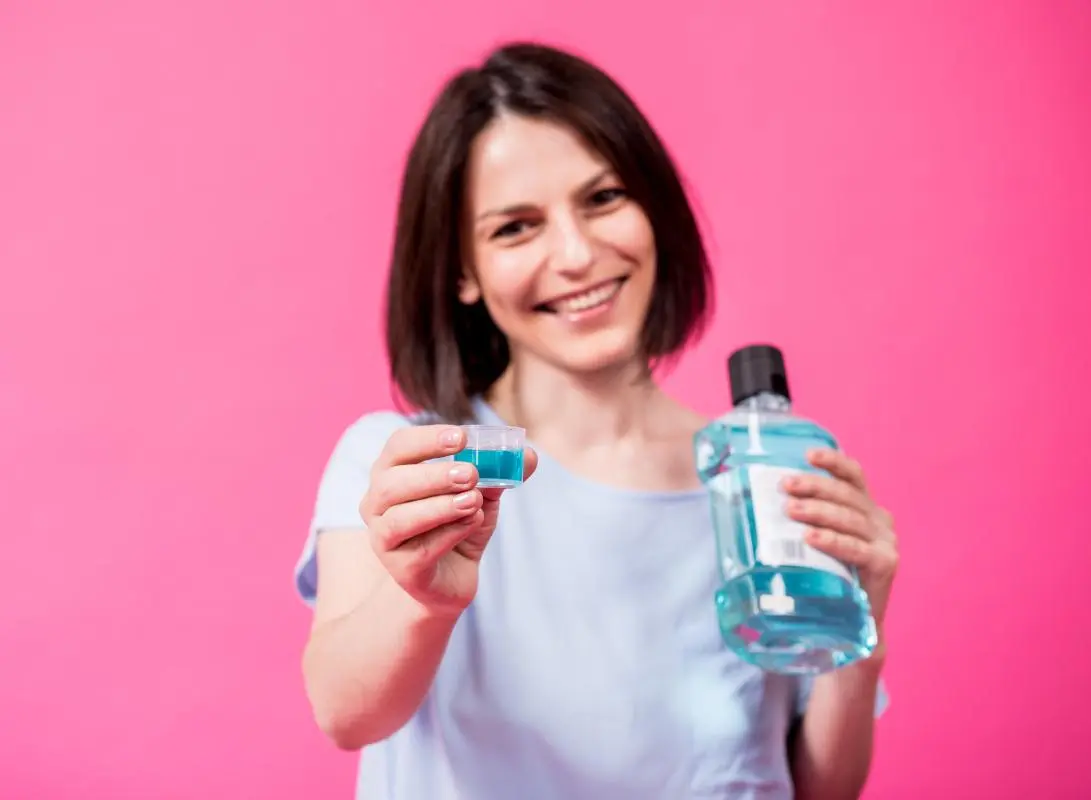
The effect of a mouthwash depends on the active ingredients it contains. One product should not be expected to have the same effect on bad breath, a gum problem, decay and a mouth sore.
- Bad breath: Cosmetic products provide short-term freshness. Antimicrobial ingredients can support the control of some microorganisms that contribute to odor.
- Plaque and gum care: Some antiseptic ingredients can help with plaque control in addition to brushing and interdental cleaning.
- Protection against decay: Fluoride mouthwashes can support the protection and remineralization of tooth enamel in suitable people.
- Dry mouth: Alcohol-free moisturizing products can help to reduce the feeling of dryness temporarily.
- Sensitivity inside the mouth: Some products can help to reduce the discomfort caused by canker sores and similar mouth sores.
Mouthwash does not repair decay, does not remove tartar and does not on its own remove the cause of gum disease. Suppressing persistent bad breath with mouthwash alone can also delay noticing the underlying problem.
For Which Complaints Can Mouthwash Be Considered?
Bad breath may be linked to build-up on the surface of the tongue, plaque, decay, gum disease or dry mouth. Although mouthwash brings temporary relief, the cause of persistent odor should be investigated.
Bleeding, redness and swelling of the gums are usually connected to plaque that builds up along the gum line. An antiseptic mouthwash can help. However, teeth cleaning (scaling) or another periodontal procedure may be needed.
A fluoride mouthwash can be considered for people who develop decay often. The risk of decay is assessed together with diet, the amount of saliva, the medicines used and cleaning habits.
In situations such as a canker sore, a denture sore spot or irritation, not every product is suitable. A mouthwash containing alcohol or a strong flavor can cause burning in sensitive tissues. Mouth sores that do not heal within two weeks should be examined.
What Types of Mouthwash Are There?

When choosing a mouthwash, look at the purpose of use rather than the color of the product or how fresh it feels. The main types of mouthwash and their limits are as follows:
| Type of Mouthwash | Purpose of Use | Points to Watch |
|---|---|---|
| Cosmetic mouthwash | To freshen the breath temporarily | It does not treat the cause of bad breath. |
| Fluoride mouthwash | To support protection against decay | It should be used at a different time from fluoride toothpaste. |
| Daily antimicrobial mouthwash | To support plaque and bad breath control | It does not replace brushing and cleaning between the teeth. |
| Prescription antiseptic mouthwash | To give support for certain gum problems or after procedures | It should be used with a prescription, at the stated frequency and for the stated period. |
| Moisturizing mouthwash | To reduce the feeling of dry mouth | Alcohol-free products may be more suitable for sensitive people. |
| Mouthwash for sensitive oral tissue | To help reduce discomfort from canker sores or irritation | It does not remove the cause of the sore and does not replace an examination. |
Mouthwashes that count as medicines and contain a prescription antiseptic agent should not be used like a daily care product. Long or uncontrolled use can cause staining, a change in taste and irritation of the oral tissues.
Herbal or homemade mixtures should not be assumed to be safe. A natural content does not mean the product is effective or non-irritating. For methods with limited scientific evidence, ask your dentist.
How Is Mouthwash Used?
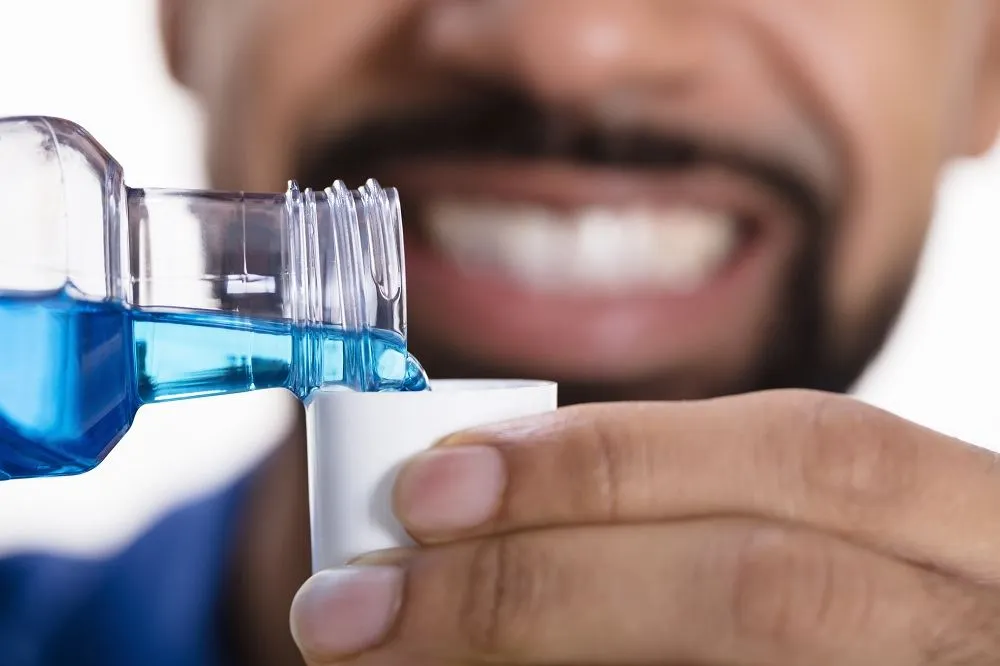
Because products contain different active ingredients, there is no single duration or frequency that fits every mouthwash. The instructions on the pack and your clinician's advice come first.
- Read the label to check that the product suits your age and your purpose of use.
- If a measuring cup comes with the product, use it to measure the amount stated on the label.
- Unless the instructions say so, do not dilute the product with water or mix it with another liquid.
- Move the liquid around the teeth, the gums and the other surfaces inside the mouth.
- Rinse for the time stated on the label. Be careful not to let the product go down your throat.
- Spit the mouthwash out completely. Mouthwashes should not be swallowed.
- Afterwards, follow the product instructions about rinsing with water, eating and drinking.
A burning or stinging feeling during rinsing does not mean the product is more effective. Stop using it if irritation is severe or continues. Ask a dentist or a pharmacist for advice.
How Is a Prescription Antiseptic Mouthwash Used?
A prescription antiseptic mouthwash should be used with a prescription and only for the recommended purpose. The dose, frequency and duration of treatment can vary with the active ingredient. A fixed plan of use cannot be applied to every antiseptic product.
Some toothpaste ingredients can interact with an antiseptic agent. For this reason, you may be asked to use the product at a different time from brushing. If use within the same period is needed, follow the advice of your clinician or the product instructions.
Do not swallow the liquid when using an antiseptic mouthwash. Do not extend the treatment on your own or increase how often you use it. If the symptoms do not improve or get worse, a new assessment is needed.
Should You Rinse Your Mouth With Water After Mouthwash?
Rinsing the mouth with water right after most mouthwashes is not recommended. Water can reduce the concentration of the active ingredient that is meant to stay on the surfaces of the mouth. However, if the product label gives a different instruction, that instruction should be followed.
After spitting out the mouthwash, you should also wait for the time stated on the pack before eating and drinking. Following the instructions is especially important for fluoride products and products that count as medicines.
The mouthwash itself should not be swallowed. If a large amount is swallowed by accident or discomfort develops, get advice from a health service. The product packaging should be kept to show at the appointment.
Should Mouthwash Be Used Before or After Brushing?
Using mouthwash right after brushing with fluoride toothpaste can wash away the concentrated fluoride left on the teeth. For this reason, it is generally more suitable to use mouthwash at another time of day.
For example, if you brush in the morning and at night, mouthwash can be used during the day. With prescription antiseptics, the timing should be set by your clinician according to the possible interaction with toothpaste.
Spitting out excess toothpaste after brushing and not rinsing straight away with water helps the fluoride stay on the tooth surface. Mouthwash should not replace this basic habit.
How Many Times a Day Should Mouthwash Be Used?
How often it is used depends on the contents of the mouthwash, its concentration and the reason for use. Cosmetic, fluoride and prescription antiseptic products do not have the same plan of use.
Rinsing more often than the label says does not give more benefit. On the contrary, it can increase the chance of dry mouth, irritation, a change in taste or staining. For mouthwashes that count as medicines, follow the plan given with the prescription.
What Should You Consider When Choosing a Mouthwash?
- Purpose of use: Freshness, protection against decay, dry mouth and gum support each need different ingredients.
- Active ingredient: Check what the product was developed for and whether it counts as a medicine.
- Alcohol content: If you have dry mouth, canker sores or sensitivity, alcohol-free options can be considered.
- Age limit: For children, the age warning on the pack and the risk of swallowing must be taken into account.
- Allergy and sensitivity: Avoid flavors, preservatives or active ingredients that have caused irritation before.
- Current treatments: If you have a denture, an orthodontic appliance or recent surgery, ask your dentist.
- Duration of use: Daily care products and short-term antiseptic products should be kept separate.
One of the problems we often see in our clinic is that a fresh feeling is confused with effective cleaning. A strong taste or a burning feeling does not show that the product is more effective at plaque control.
What Are the Harms and Side Effects of Mouthwash?
When a mouthwash is not chosen correctly or is used for longer than needed, it can cause discomfort in the oral tissues. Side effects vary with the contents of the product and the person's sensitivity.
- Burning, stinging or a dry feeling in the mouth
- A temporary change in taste
- Staining of the tongue, teeth or restorations
- Peeling, redness or irritation of the tissues inside the mouth
- Nausea and digestive complaints from swallowing
- Rarely, signs of an allergic reaction
Swelling of the lips, tongue or throat together with difficulty breathing needs urgent assessment. Even mild-looking but ongoing irritation means the product should be stopped and a health professional consulted.
Can You Use a Salt-Water Rinse?
Salt water may be recommended by a clinician as short-term support after some dental procedures. However, it is not suitable for every gum problem, sore or infection. It should not be used in place of a mouthwash that counts as a medicine.
Very hot or strongly salted mixtures can irritate the tissues of the mouth. If you have had surgery, follow your clinician's instructions on how to prepare the mixture and when to start.
When Should You See a Dentist?
Mouthwash can reduce symptoms temporarily. A dental examination is needed in the following situations so that the cause can be identified and the necessary treatment planned:
- Bad breath that does not go away within a few weeks
- Gum bleeding that recurs or starts on its own
- Swelling, recession or sensitivity of the gums
- Toothache, sensitivity to hot and cold or pain when chewing
- Facial swelling, fever or a bad taste in the mouth
- A canker sore, sore, white or red area lasting longer than two weeks
- Difficulty swallowing, speaking or opening the mouth
- Irritation or staining that continues after using a mouthwash
Rapidly increasing swelling of the face and neck, shortness of breath or difficulty swallowing needs urgent assessment. You should not expect these symptoms to pass by using a mouthwash.
Where Does Mouthwash Fit Into Oral Care?
Basic oral care is based on regular brushing with fluoride toothpaste and cleaning between the teeth every day. Cleaning the tongue and a balanced diet also support bad breath and plaque control.
Mouthwash can be added to this routine if needed. The choice of product should be assessed together with an oral examination, the risk of decay, the condition of the gums and the other care products used.
Frequently Asked Questions
What does rinsing with mouthwash mean?
Rinsing means moving a liquid product around the mouth and then spitting it out. Using it at the back of the throat is only appropriate if the product instructions say so.
Is mouthwash a medicine?
Not every mouthwash is a medicine. Cosmetic products give temporary freshness, while antiseptic products that count as medicines should be used with a prescription.
What does mouthwash do?
Depending on its contents, it can temporarily reduce bad breath, support plaque control or help protect against decay. It does not replace brushing and cleaning between the teeth.
How do you use mouthwash?
The amount stated on the label is moved around the mouth for the recommended time and then spat out completely. The product should not be swallowed or diluted unless the instructions say so.
Should you rinse with water after mouthwash?
After most products, rinsing with water straight away can reduce the concentration of the active ingredient. However, if the packaging gives a different instruction, that should be followed.
How many times a day is an antiseptic mouthwash used?
How often it is used varies with the active ingredient and the aim of treatment. An antiseptic mouthwash that counts as a medicine should be used at the frequency and for the period stated in the prescription.
Can children use mouthwash?
Children under six should not use mouthwash unless a dentist recommends it. For older children, check the age limit on the product and make sure they can use it without swallowing.
Does mouthwash cure gum inflammation?
Some antiseptic mouthwashes can support the control of plaque and gum inflammation. If there is tartar or periodontal disease, an examination and treatment aimed at the cause are needed.