
A balanced diet containing calcium, phosphorus, protein, vitamin C and vitamin D matters for dental health. Plain dairy products, eggs, fish, vegetables, whole fruit, legumes and water are among the leading options.
However, no food removes existing decay, gum disease or the cause of toothache. Nutrition should be considered alongside fluoride toothpaste, regular cleaning and dental check-ups.
What Should You Eat for Dental Health?
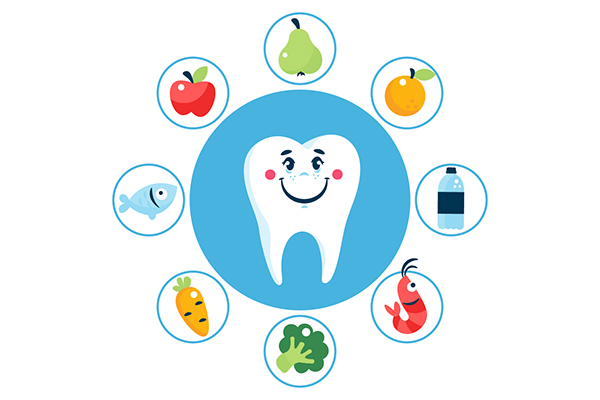
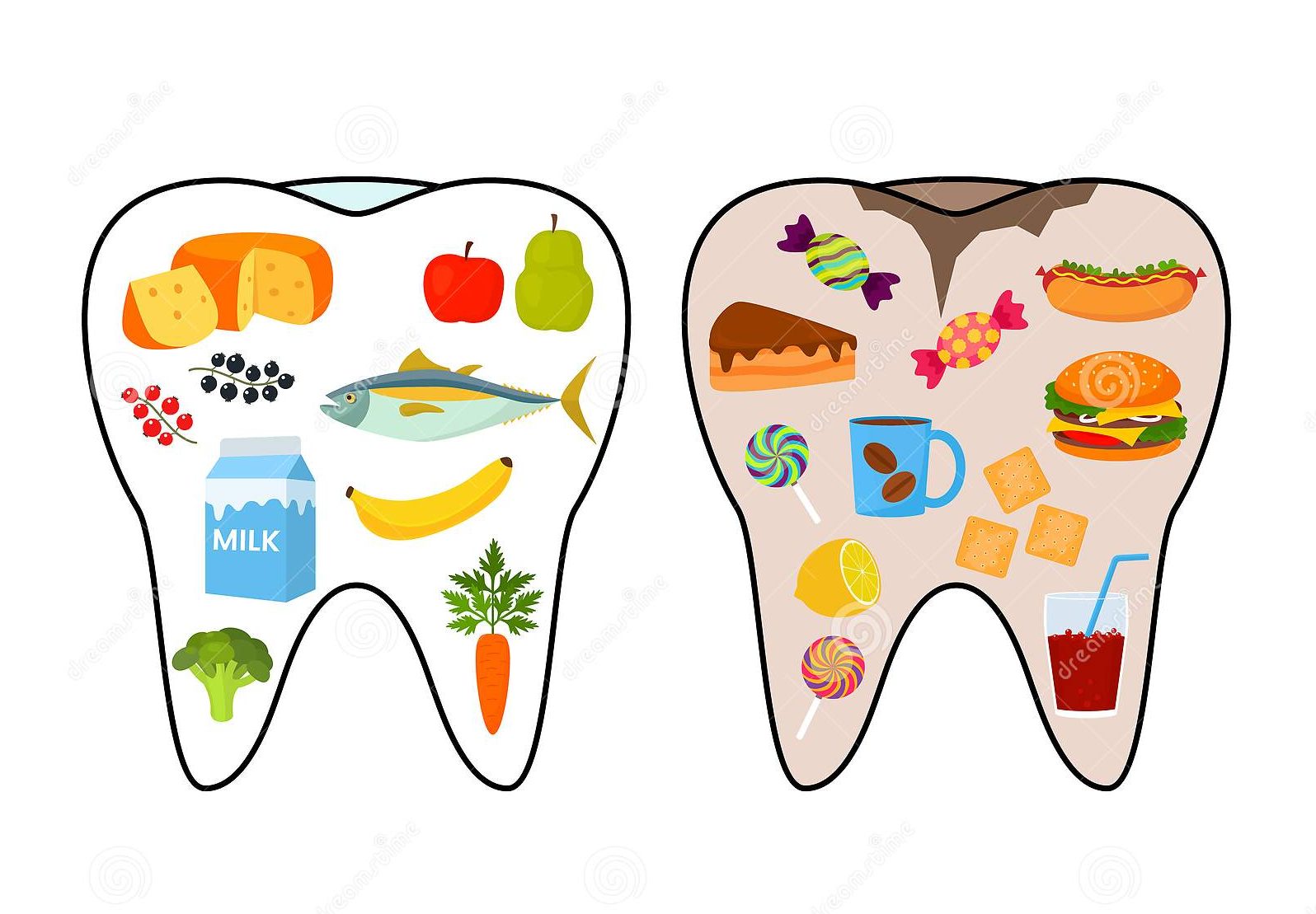
Foods that are good for your teeth are not limited to a single item. The variety of your meals, how often you eat sugar and your choice of drinks all shape the environment in your mouth.
Foods to Feature in Daily Meals
- Plain dairy products: milk, cheese and unsweetened yogurt provide calcium, phosphorus and protein. Check the labels of dairy products with added sugar separately.
- Green vegetables: broccoli, cabbage and dark leafy greens contain a range of vitamins and minerals. Vegetables can be a regular part of balanced meals.
- Crunchy vegetables: chewing options such as carrot, cucumber and celery can increase saliva flow. This effect does not replace brushing.
- Whole fruit: apples, pears, strawberries and kiwi provide fiber and vitamins. Eating fruit whole rather than as juice is usually the better choice.
- Eggs and fish: eggs, salmon, sardines and mackerel can provide protein, phosphorus and varying amounts of vitamin D.
- Legumes and nuts: lentils, chickpeas, beans and unsweetened nuts contain protein and minerals. Avoid hard foods that could strain a cracked tooth or an orthodontic appliance.
- Water: drinking water after meals helps wash away food debris left in the mouth. Water can be your main drink throughout the day.
One problem we see often in our clinic is foods regarded as healthy being eaten frequently throughout the day. How often you eat matters as much as what you eat.
What Strengthens Teeth?
Strengthening your teeth does not simply mean taking vitamins. Tooth enamel does not renew itself continuously the way bone does. When minerals are lost early on, saliva, fluoride, calcium and phosphate can support the remineralization process.
The main factors that protect dental health are:
- adequate, balanced intake of protein, vitamins and minerals
- not eating sugary foods and drinks frequently
- not holding acidic drinks in the mouth
- brushing regularly with fluoride toothpaste
- having a dry mouth, which reduces saliva flow, assessed
- having gum disease checked without delay
There is no specific food that strengthens tooth roots directly. The health of the bone and gum tissue around the root is related to plaque control, overall nutrition and professional care.
Which Vitamins and Minerals Matter for Dental Health?

Vitamins and minerals support the normal structure of oral tissues. On the other hand, supplements taken without a deficiency do not prevent decay or gum disease on their own.
| Vitamin or Mineral | Food Sources | Role in Oral Health |
|---|---|---|
| Calcium | Milk, plain yogurt, cheese, unsweetened plant drinks with added calcium, broccoli | Part of the mineral structure of teeth. Together with phosphorus, it forms the basic components of enamel. |
| Phosphorus | Fish, eggs, dairy products, legumes, nuts | Together with calcium, it forms part of the structure of tooth enamel and bone tissue. |
| Vitamin D | Oily fish, egg yolk, foods with added vitamin D | Helps calcium to be absorbed from the intestine. If a deficiency is suspected, a clinical assessment is needed. |
| Vitamin C | Peppers, broccoli, strawberries, kiwi, cabbage and citrus fruit | Needed for collagen production in connective tissue. Supports the normal structure of gum tissue. |
The need for supplements varies with age, diet, medicines and general health. Vitamin or mineral supplements should not be used to treat oral disease without medical advice.
What Should You Eat for Healthy Gums?
Foods that are good for your gums are generally part of a balanced diet. Vegetables and fruit containing vitamin C, enough protein and adequate water intake all support oral tissues.
- Include sources of vitamin C such as peppers, broccoli, cabbage, strawberries and kiwi in your meals.
- Eat protein sources such as eggs, fish, yogurt and legumes in balanced amounts.
- Choose whole fruit rather than fruit juice.
- Spread enough water through the day to reduce dryness in the mouth.
- If you have no difficulty chewing, make use of vegetables with different textures.
Bleeding gums should not be attributed to a vitamin deficiency alone. Plaque build-up and gum inflammation are among the more common causes. Recurring bleeding needs an examination.
Are There Foods That Help Tooth Decay?
Food cannot close a cavity that has already formed or bring back lost tooth tissue. Early-stage mineral loss can be controlled with appropriate oral care and a professional assessment.
Decay risk is not driven by the amount of sugar alone. How often sugar is eaten through the day also matters. Plaque bacteria turn sugar into acid, which can cause mineral loss on the enamel surface.
- Limit sugary foods to main meals rather than repeating small portions through the day.
- Do not sip sugary and acidic drinks over a long period.
- Because dried fruit is sticky, do not eat it often as a snack.
- Remember that fruit juice, honey and syrups also contain free sugars.
- Do not frequently eat starchy snacks such as chips and crackers that can stick to the teeth.
- Drink water after eating and keep up your daily oral care.
The World Health Organization recommends limiting free sugars to less than 10 percent of daily energy intake. Lower levels of consumption can help reduce the risk of decay.
Which Drinks Are Good for Teeth?
For daily use, water is the first choice. Unsweetened milk and unsweetened tea can accompany a balanced diet when they suit your personal health.
- Water: contains no sugar or calories. It helps wash away debris left in the mouth after meals.
- Plain milk: contains calcium, phosphorus and protein. Sweetened milk drinks should not be viewed in the same way.
- Unsweetened tea: can be drunk without added sugar. Keep in mind that strong tea can stain the tooth surface.
- Plain mineral water: sugar-free varieties are not the same as fizzy soft drinks. Even so, do not sip it constantly, and read the label on flavored products.
Fizzy soft drinks, energy drinks, sports drinks and fruit juices can contain acid or free sugars. Frequent consumption can increase the risk of decay and enamel wear.
You can rinse your mouth with water after an acidic food or drink. Avoid holding a drink in your mouth or swishing it between your teeth.
What Can Someone With Toothache Eat?
There is no particular food or drink that cures toothache. The cause of the pain can be decay, a crack, an infection, a gum problem or trapped food.
Until your appointment, the following options can make chewing easier:
- Warm, smooth soups
- Unsweetened yogurt
- Scrambled eggs
- Softly cooked vegetables
- Water that is neither very hot nor very cold
Do not chew hard foods on the painful side. Very hot, very cold, sticky and sugary products can increase sensitivity. These suggestions are only intended to provide temporary comfort.
What Should You Do for Your Dental Health?
- Brush your teeth twice a day with fluoride toothpaste.
- Clean between your teeth every day with dental floss or a suitable interdental brush.
- Reduce how often you have sugary snacks each day.
- Do not sip acidic drinks over a long period.
- Stay away from tobacco products and limit alcohol intake.
- If you have a dry mouth, drink more water and discuss the cause with your clinician.
- Plan dental check-ups according to your personal risk of decay and gum disease.
Nutrition and brushing are not alternatives to each other. If plaque removal is neglected, decay and gum disease can develop even while you eat healthy foods.
When Should You See a Dentist?
Changes to your diet cannot identify the cause of the symptoms below. In these situations, a dental assessment is needed:
- Toothache lasting more than a day or two
- Gum bleeding that recurs or starts outside of brushing
- Ongoing sensitivity to hot, cold or sweet things
- White, brown or black discoloration on a tooth
- Receding gums, a loose tooth or difficulty chewing
- Bad breath that continues despite oral care
- Swelling in the face or jaw, fever or a bad taste in the mouth
Swelling together with difficulty swallowing or breathing calls for emergency medical assessment. Depending on the examination findings, professional cleaning, fluoride application, a filling, root canal treatment or gum treatment can be planned.
Frequently Asked Questions
What is good for teeth?
A balanced diet, drinking water, brushing with fluoride toothpaste and cleaning between the teeth all support dental health. No single food treats existing decay.
Which foods strengthen teeth?
Plain dairy products, eggs, fish, green vegetables, legumes and nuts provide important nutrients. Their effect should be considered alongside overall nutrition and oral care.
Which vitamins are needed for dental health?
Vitamin D, vitamin C, calcium and phosphorus play a role in the normal structure of oral tissues. The need for supplements should be determined by a clinical assessment.
What should you eat for gum health?
Vegetables and fruit containing vitamin C, enough protein and adequate water support gum tissue. Ongoing bleeding should not be attributed to a vitamin deficiency alone.
Can tooth decay be reversed with food?
No. A cavity that has formed does not close with food and needs an examination. Reducing sugar intake can help control the risk of new decay.
What strengthens tooth roots?
There is no specific food that strengthens tooth roots directly. For the tissues around the root, plaque control, a balanced diet and any necessary gum treatment are important.
Which drink helps toothache?
No drink treats the cause of toothache. Lukewarm water may feel more comfortable for a while; if the pain continues, see a dentist.
Does eating apples clean your teeth?
Chewing an apple can increase saliva flow, but it does not replace brushing. Keep in mind that fruit also contains natural sugar and acid.